
Fuel Tanker Trailer Manufacturing Process
ZW Group| 2025-12-26
Introduction
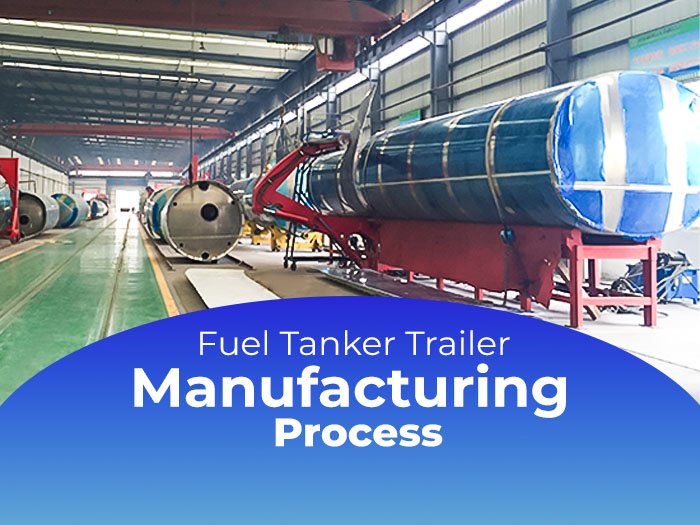
Fuel tanker trailers play a critical role in modern energy logistics. However, many buyers only focus on price and capacity, while overlooking how the tanker is actually manufactured. In reality, the manufacturing process directly determines safety, service life, and long-term operating cost.
Therefore, understanding how a fuel tanker trailer is made—from raw steel plates to a finished tank—is essential, especially for buyers in Africa and the Middle East where operating conditions are demanding.
Steel Plate Selection and Material Control
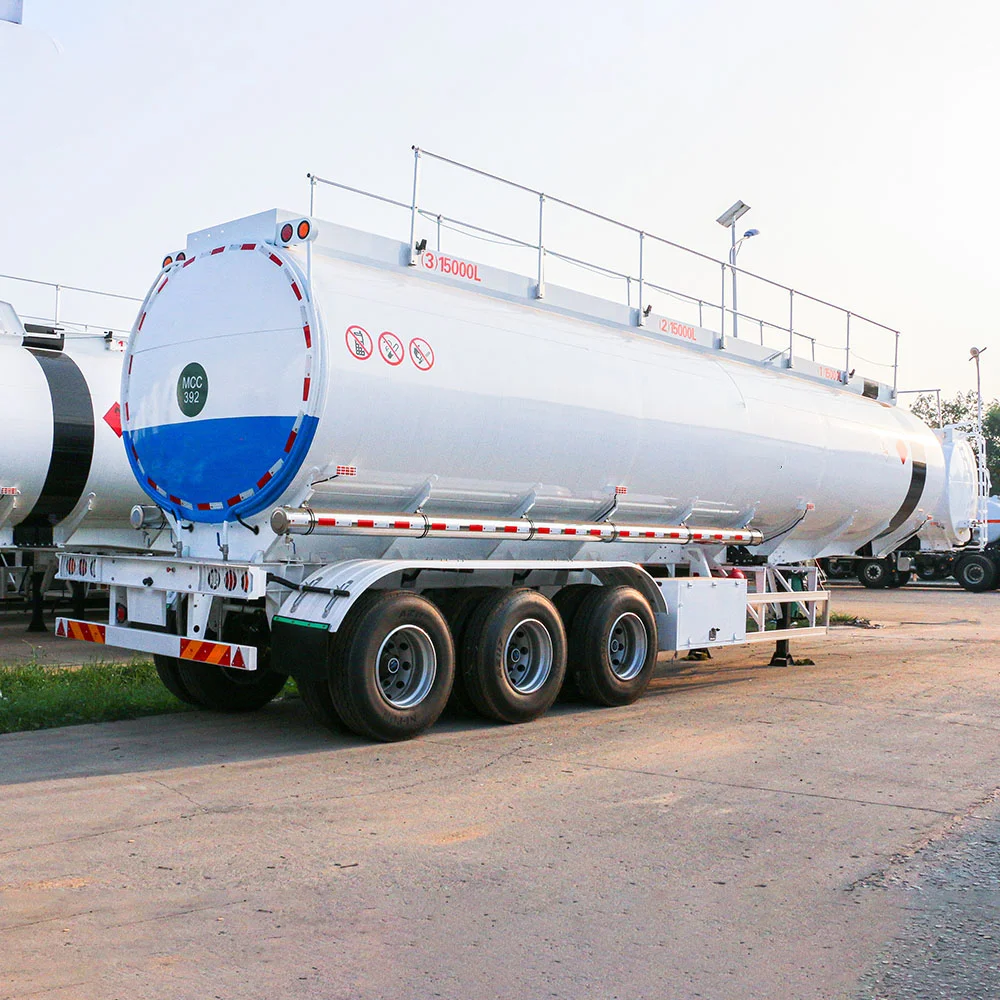
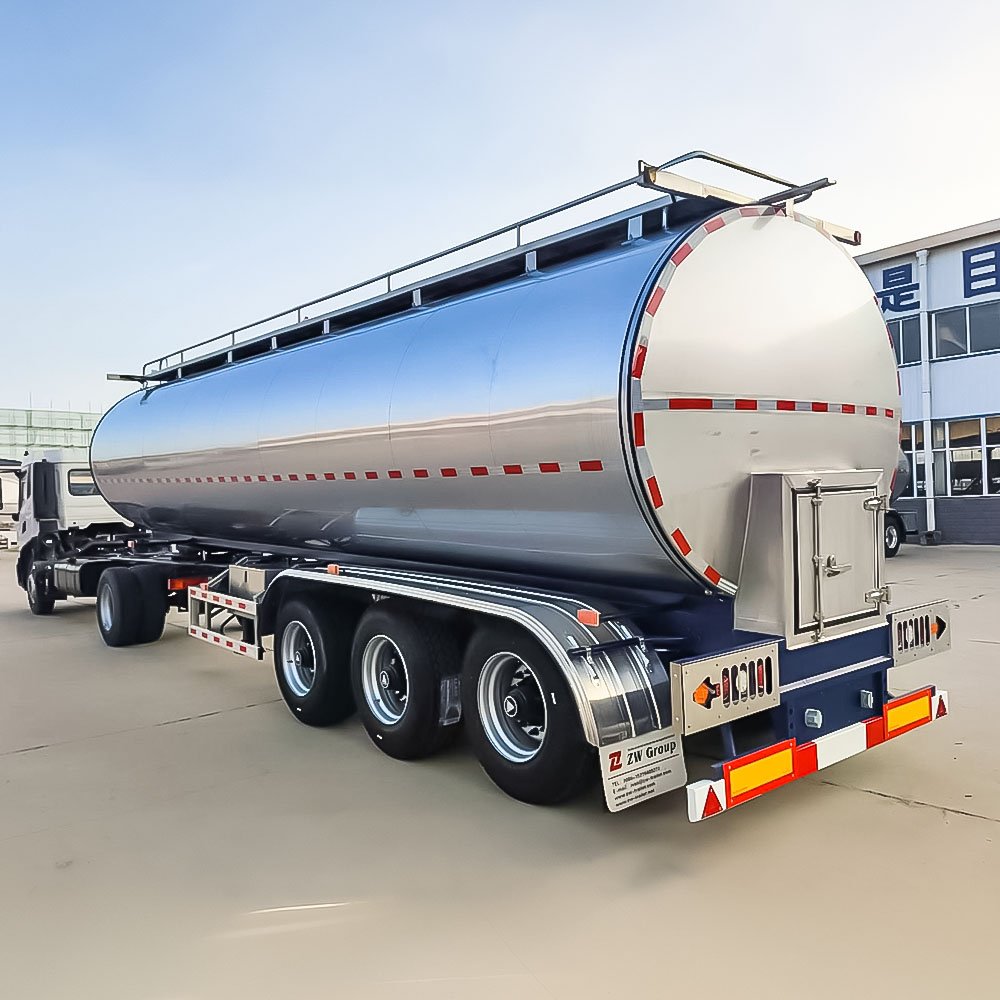
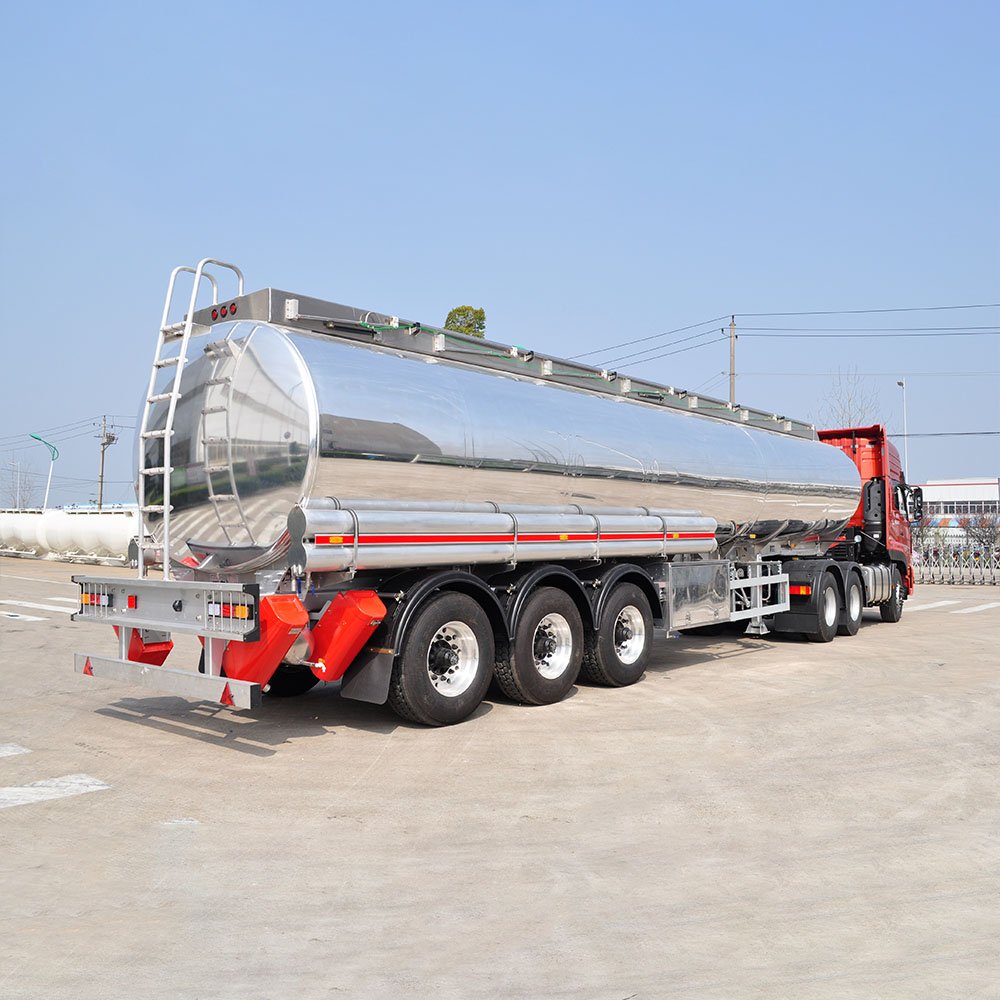
At the very beginning, manufacturers carefully select steel plates based on the tanker’s design purpose. Most fuel tanker trailers use carbon steel, stainless steel, or aluminum alloy, depending on local regulations and fuel types.
More importantly, steel thickness is not chosen randomly. Instead, it is calculated according to tanker volume, internal pressure, and road conditions. As a result, professional manufacturers strictly inspect steel certificates and mechanical properties before production begins.
When discussing fuel tanker trailer types and materials, material choice is always the foundation of safety.
Precision Cutting and Edge Preparation
Once materials are approved, steel plates are cut using CNC plasma or laser cutting machines. Compared with manual cutting, CNC systems ensure consistent dimensions and cleaner edges.
After cutting, the plate edges are beveled and polished. This step may seem minor; however, it significantly improves welding strength and reduces the risk of hidden cracks later in the tanker’s life cycle.
Shell Rolling and Tank Forming
Next, flat steel plates are rolled into cylindrical tank shells using heavy rolling machines. During this stage, accuracy is crucial.
If shell curvature is uneven, stress concentration may occur during transport. Therefore, manufacturers repeatedly check roundness and alignment before moving forward. As a result, the tanker can better withstand internal liquid pressure and long-distance vibration.
Automated Welding and Quality Inspection
After forming, longitudinal and circumferential seams are welded. Most professional factories rely on automated submerged arc welding, which provides deeper penetration and more stable weld quality.
Moreover, welding is never considered complete without inspection. All main seams undergo non-destructive testing, such as ultrasonic inspection or radiographic testing. This ensures internal weld quality without damaging the tank.
For international manufacturing references, many factories follow general welding quality principles published by ISO.
Internal Baffles and Compartment Design
To improve driving safety, internal anti-surge baffles are installed inside the tank. These structures reduce liquid movement during braking and turning.
In addition, multi-compartment designs allow different fuel types to be transported in a single trip. This is one of the key reasons behind large-capacity fuel tanker demand, especially in markets such as Nigeria.
As a result, fleet efficiency improves while safety risks are reduced.
Manholes, Valves, and Safety Systems
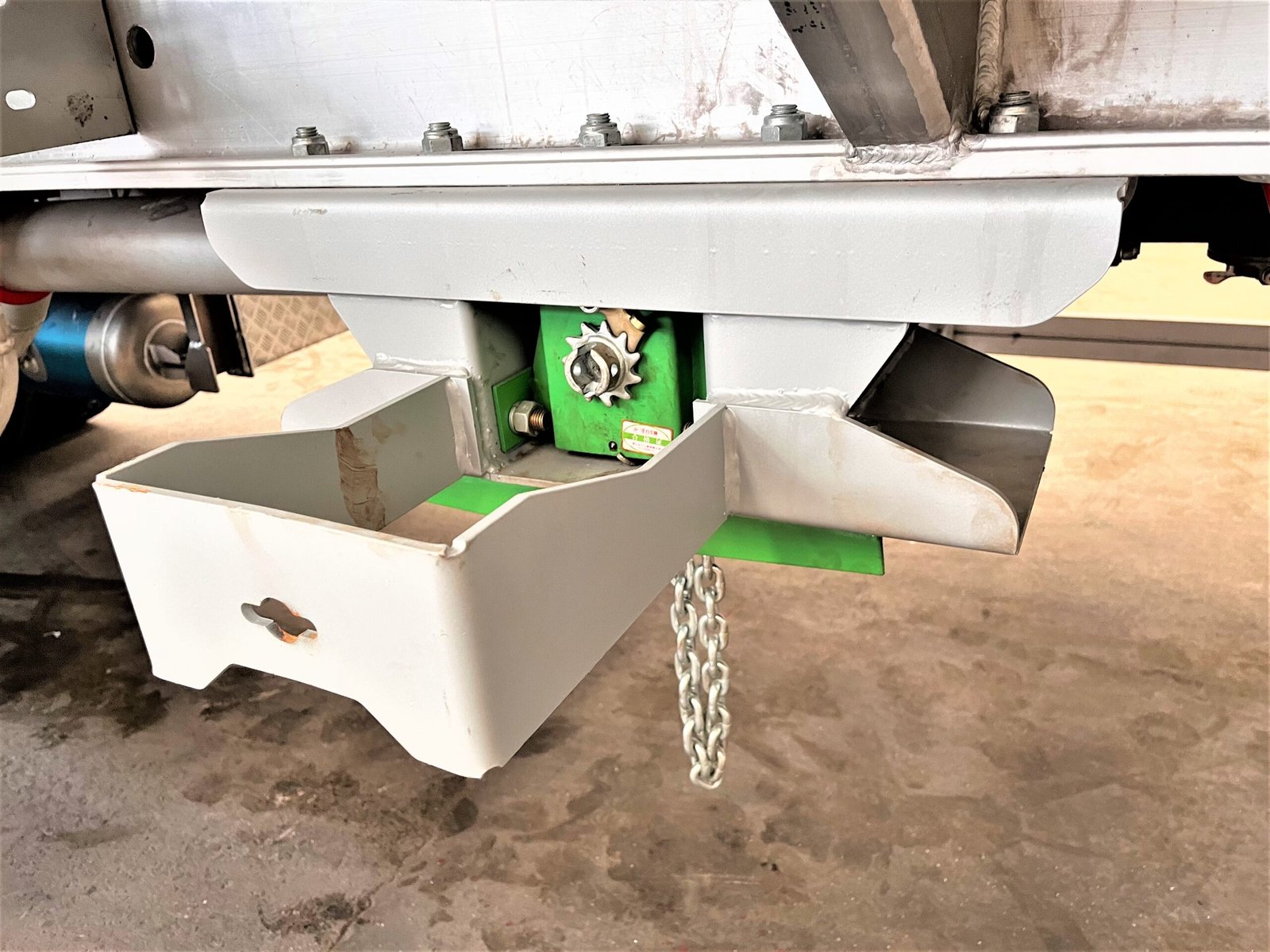
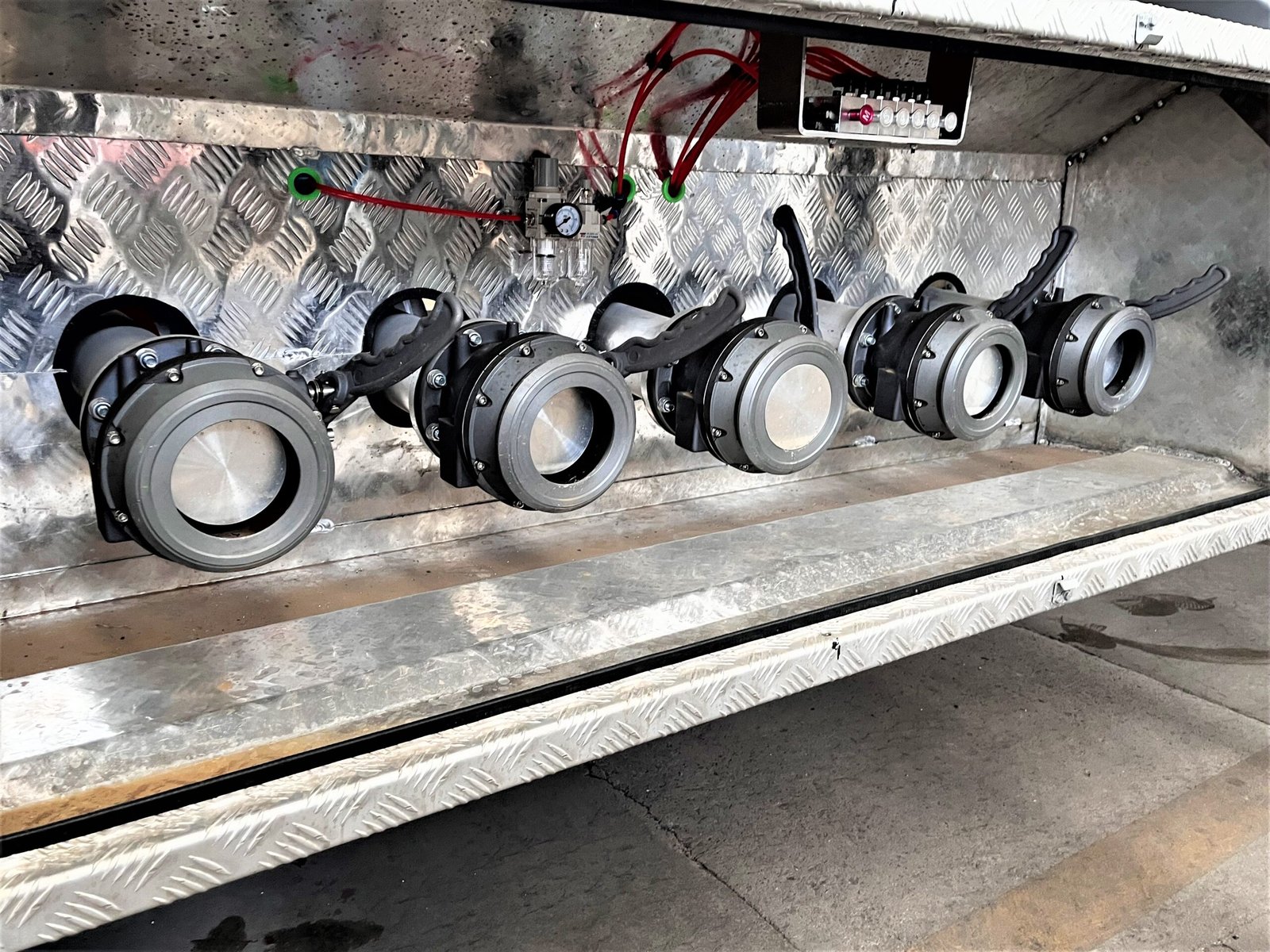
After the internal structure is completed, external components are installed. These include explosion-proof manholes, loading valves, emergency shut-off valves, and pipeline systems.
Different markets require different configurations. Therefore, manufacturers usually customize valve standards according to the destination country’s regulations, ensuring smoother customs clearance and local operation.
Chassis Mounting and Running Gear Assembly
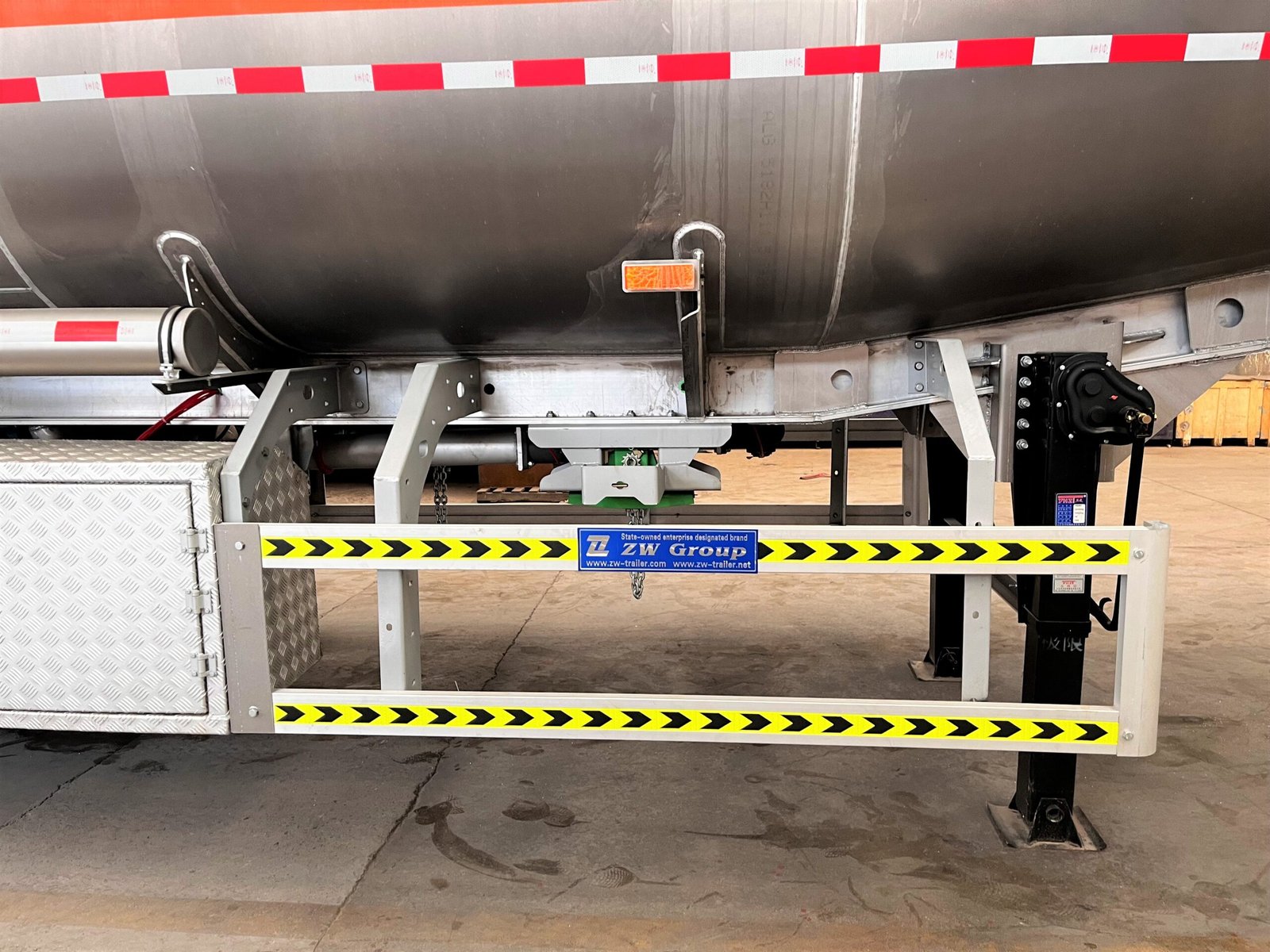
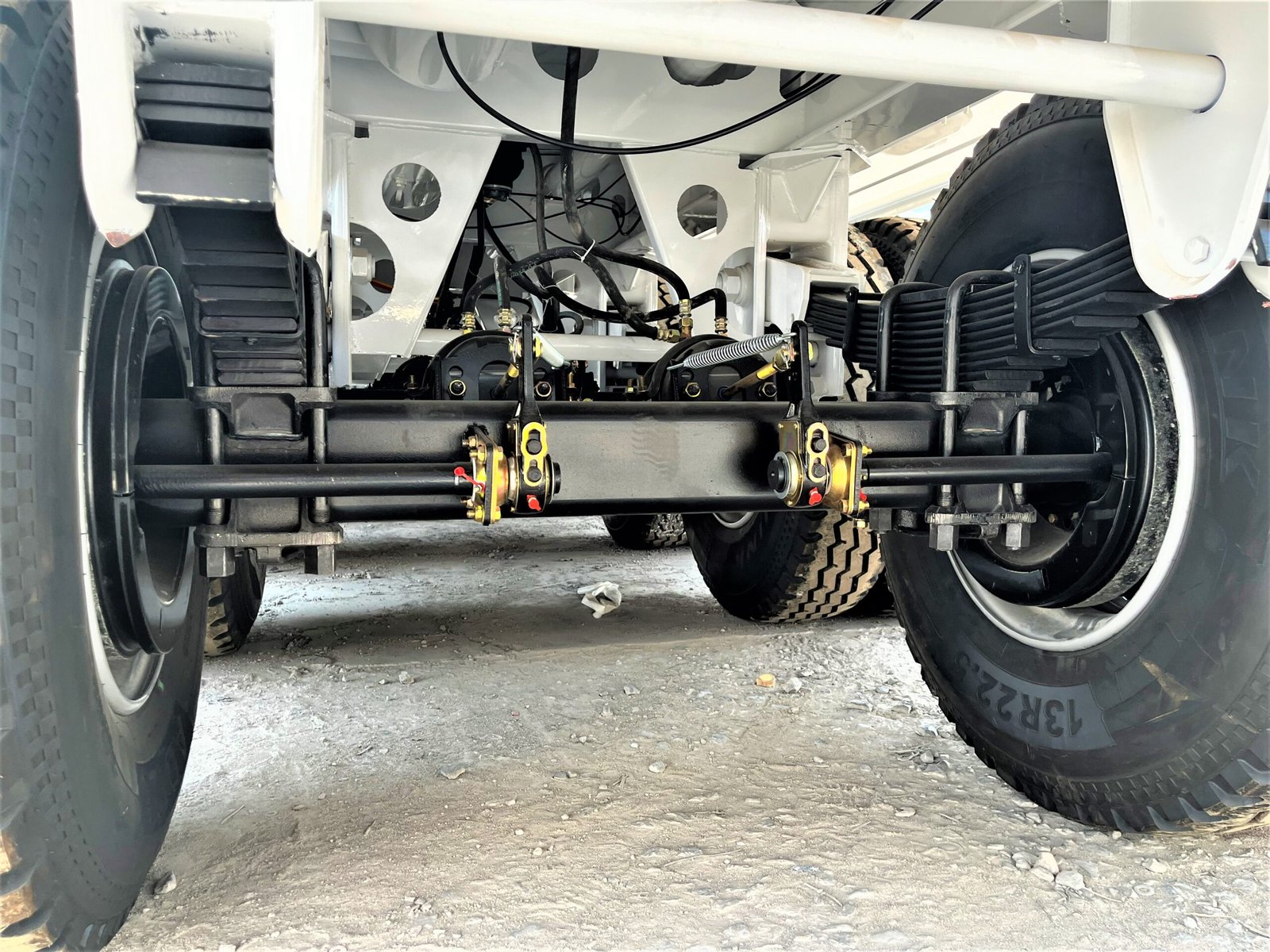
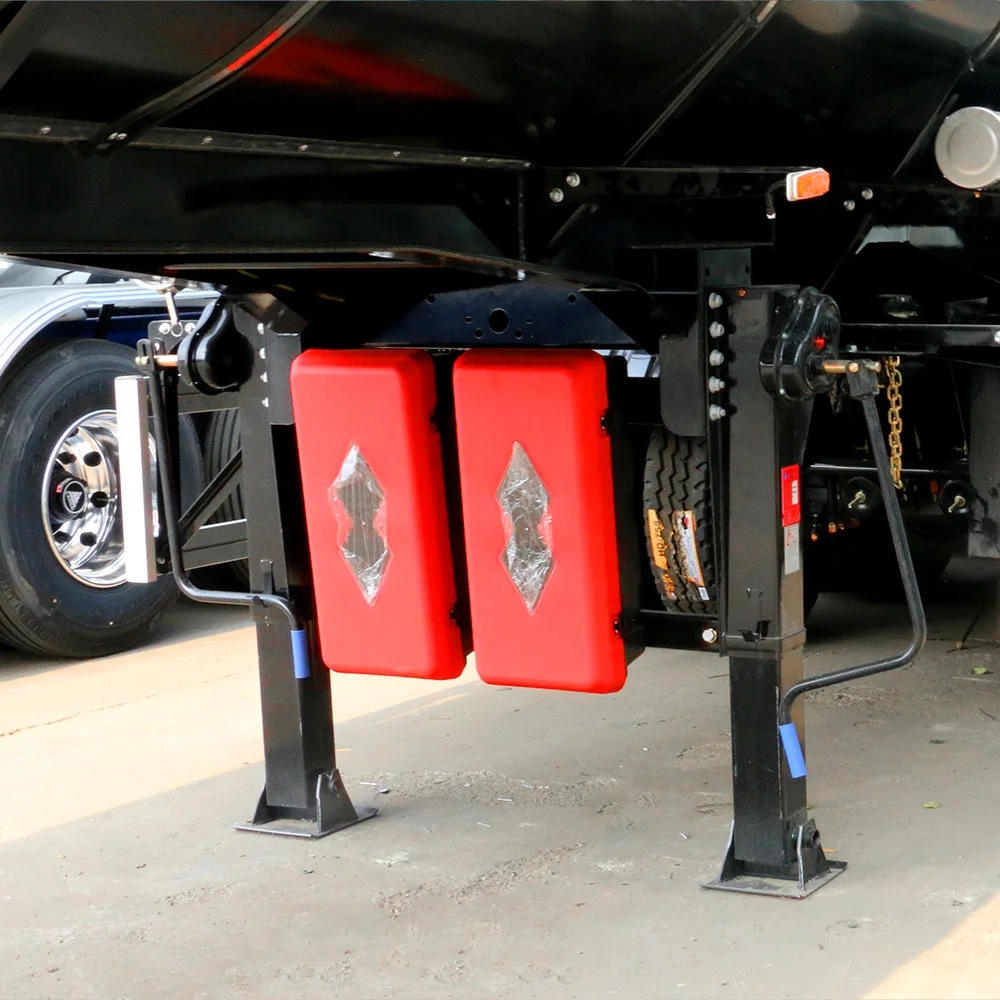
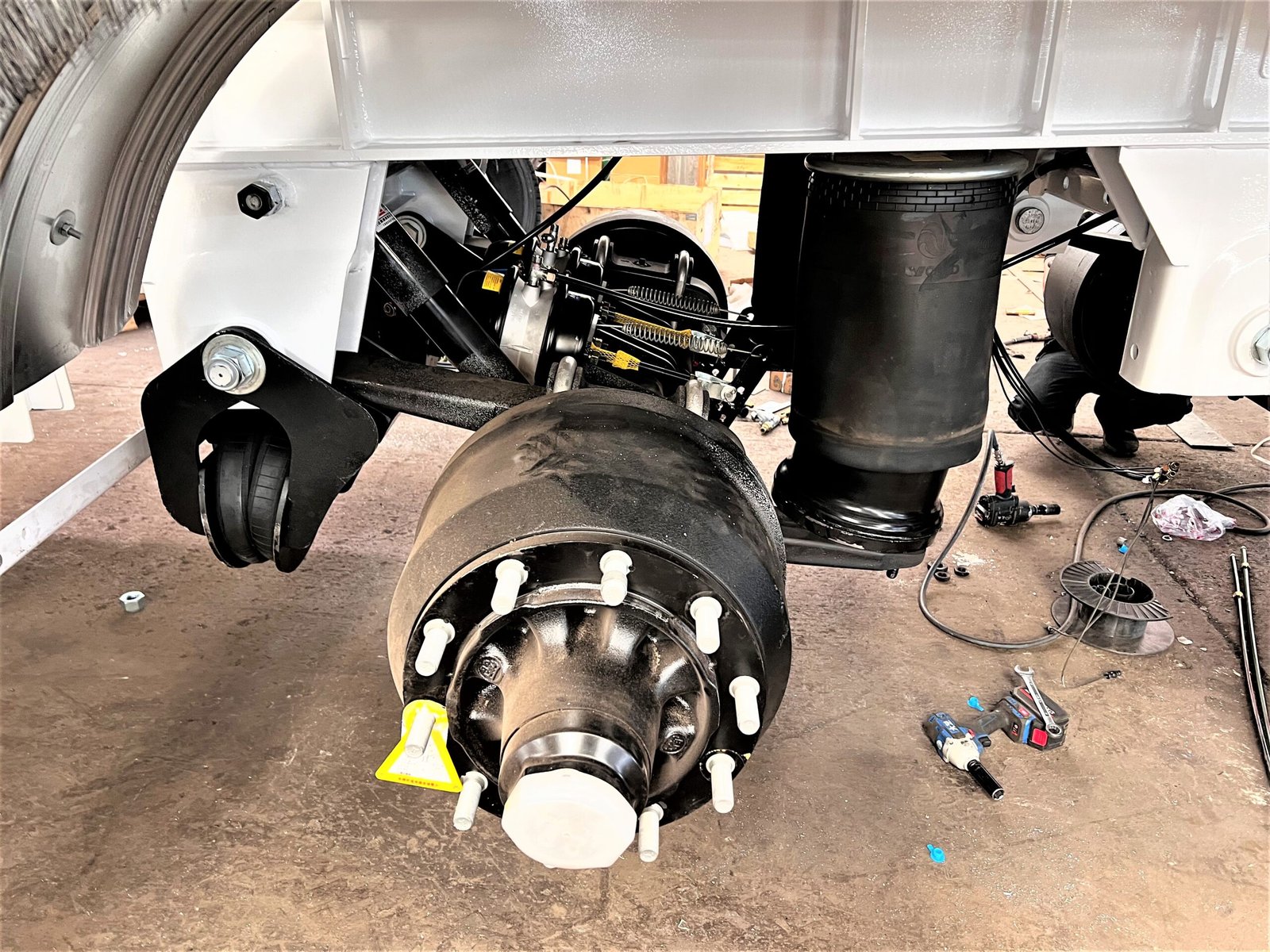
Once the tank body is finished, it is mounted onto the trailer chassis. At this stage, axles, suspension systems, braking systems, and landing legs are installed.
Most export-oriented manufacturers choose internationally recognized axle brands and braking components to ensure durability under heavy loads. Consequently, maintenance costs are reduced over the long term.
Pressure Testing and Leakage Control
Before painting, every fuel tanker must pass strict pressure and leakage tests. Typically, air pressure or water testing is used to detect even the smallest leak points.
Only tankers that pass all tests are approved for surface treatment. This step is critical because it directly relates to transport safety and regulatory compliance.
For international dangerous goods transport guidance, manufacturers often reference UNECE transport frameworks.
Surface Treatment and Painting
After testing, the tanker surface is sandblasted to remove rust and impurities. Then, anti-corrosion primer and topcoat are applied.
This process not only improves appearance but also significantly extends service life, especially in coastal or high-humidity regions. As a result, corrosion-related failures are effectively reduced.
Final Inspection and Delivery Preparation
Finally, the tanker undergoes a comprehensive inspection covering dimensions, component installation, and functional checks. After approval, it is prepared for delivery, often shipped through ports using crane lifting or Ro-Ro vessels.
This final stage connects manufacturing quality with real-world logistics, especially when serving the African fuel transport marke.


Conclusion
In summary, fuel tanker trailer manufacturing is a systematic and highly controlled process. Each step—from steel selection to final inspection—directly affects safety, efficiency, and long-term value.
For buyers sourcing fuel tanker trailers for Africa or the Middle East, understanding this process helps identify reliable manufacturers and avoid costly risks.