Tanker Trailer Welding Methods Explained
ZW Group| 2025-12-29
Tanker Trailer Welding Methods Explained
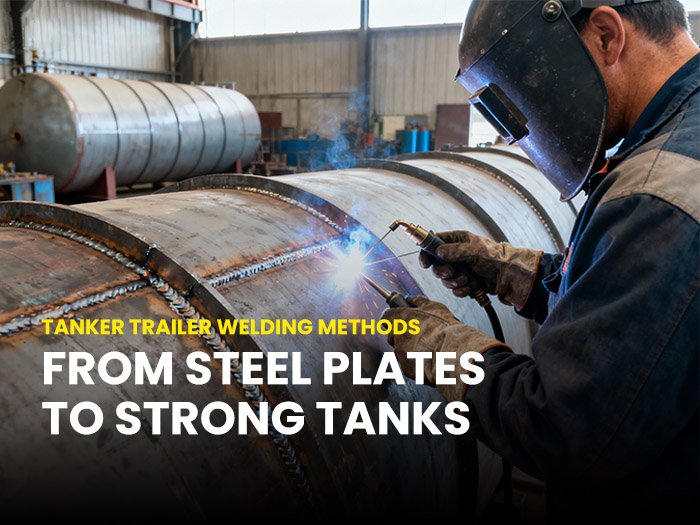
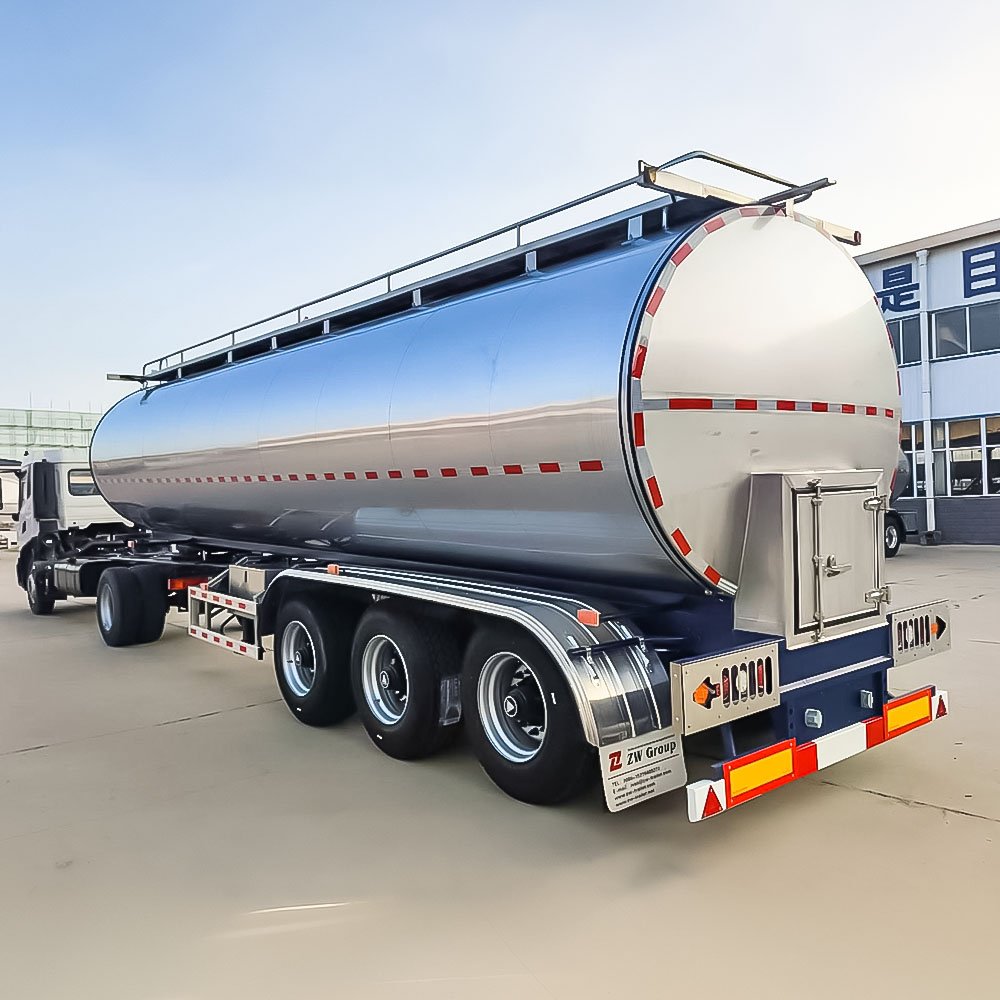
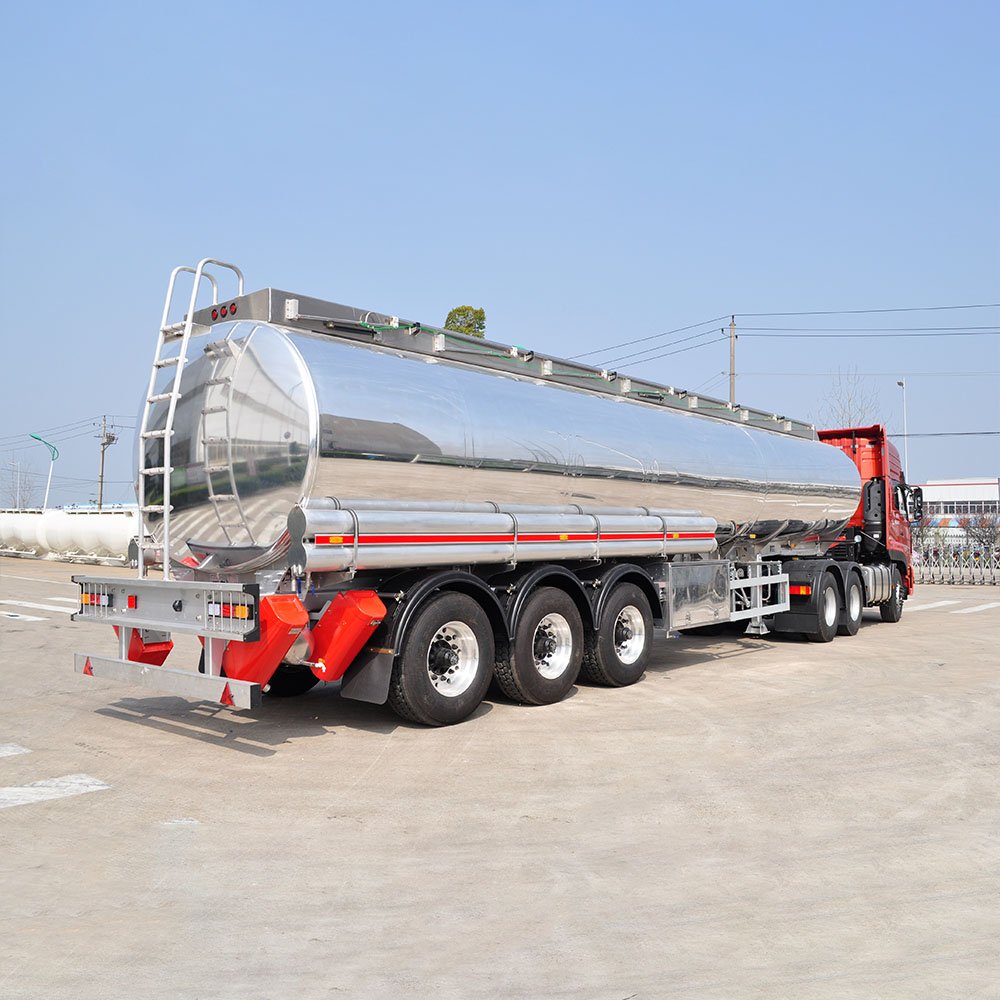
Welding is one of the most critical steps in manufacturing high-quality tanker trailers. Proper welding ensures the tank’s strength, safety, and long-term durability. Modern fuel and bulk cement tanker trailers are typically built using carbon steel or stainless steel plates, which are joined together with precision welding methods.
Common Welding Methods Used in Tanker Trailer Manufacturing:
MIG Welding (Metal Inert Gas) – Suitable for thin to medium steel plates, providing clean welds and high efficiency.
TIG Welding (Tungsten Inert Gas) – Used mainly for stainless steel, offering high-quality, precise, and corrosion-resistant welds.
SAW (Submerged Arc Welding) – Ideal for thick steel plates, producing deep penetration welds and excellent strength.
Each weld must pass strict quality inspections, including X-ray or ultrasonic testing, to ensure leak-proof and structurally sound tanks.
In this process, the steel plates and welding steps are detailed in our main guide, Fuel Tanker Trailer Manufacturing Process, providing a complete overview from raw material to finished tank.
Anti-Corrosion Consideration:
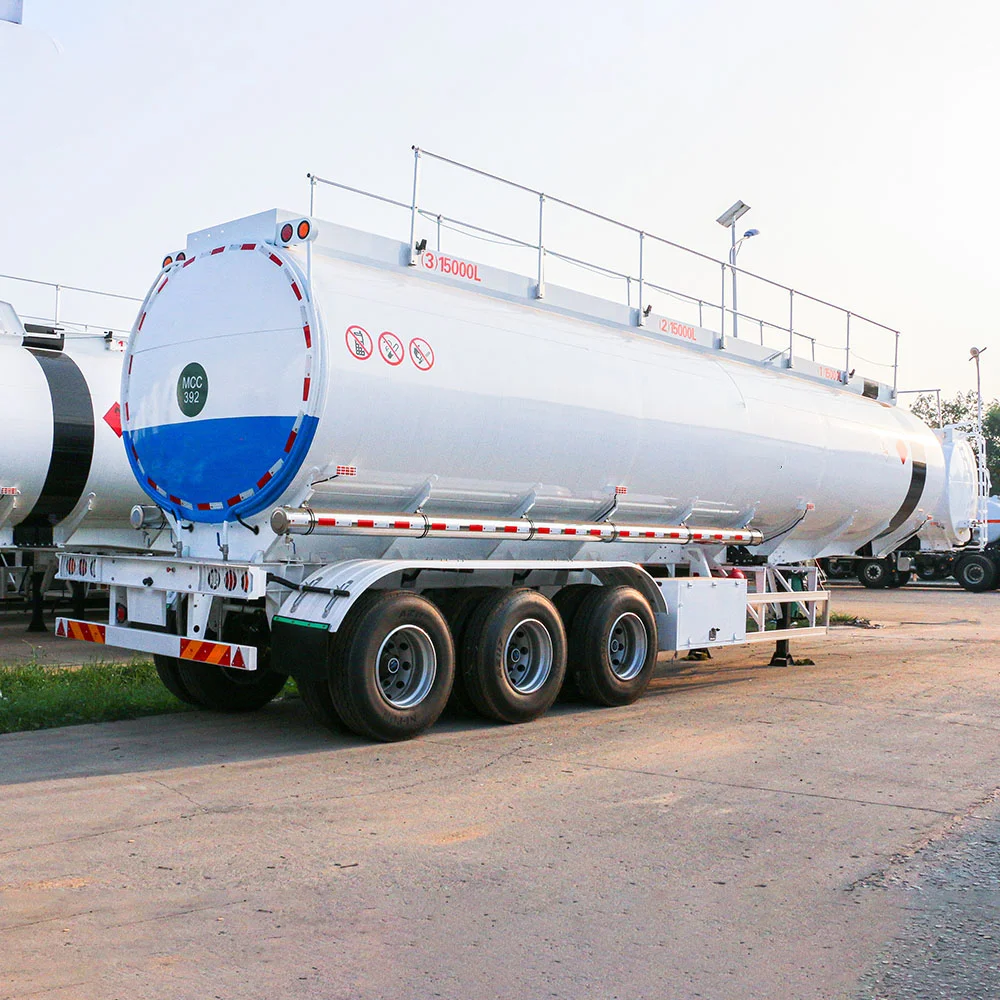
Proper welding is only the first step. To maintain the longevity of tanker trailers, welds are often treated with anti-corrosion coatings, which we explain in detail in Anti-Corrosion Coating for Tank Trailers .
External Reference:
For industry welding standards, refer to the American Welding Society (AWS) guidelines: https://www.aws.org/
Conclusion:
High-quality welding not only strengthens the tanker trailer but also ensures safety during transportation of fuel, chemicals, or bulk cement. Integrating proper welding methods with anti-corrosion measures results in a reliable and long-lasting trailer.