
Tank Trailer Anti-Corrosion Coating: Methods & Benefits
ZW Group| 2025-12-29
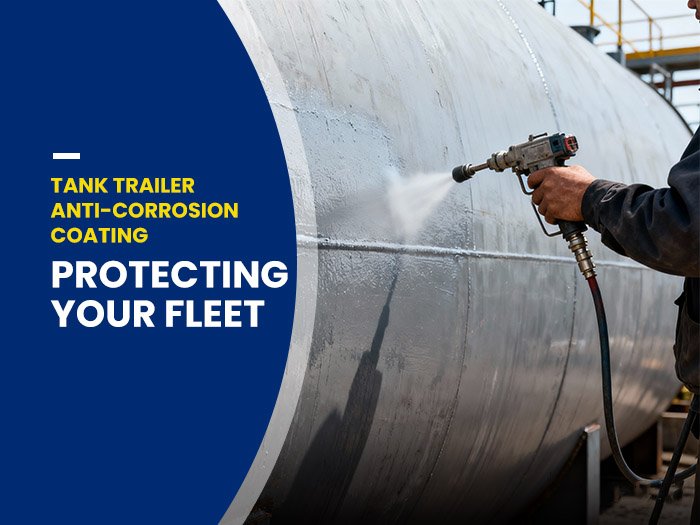
Anti-Corrosion Coating for Tank Trailers: Full Guide
Transporting fuel, chemicals, or bulk cement requires tank trailers to withstand harsh environments, abrasive cargo, and long-term exposure to moisture and heat. A high-quality tank trailer anti-corrosion coating not only extends the lifespan of your trailers but also ensures safety and compliance with international standards.
1. Common Anti-Corrosion Coating Methods
Tank trailers typically use several protective coating systems:
Epoxy Coating
Provides a dense, chemical-resistant layer.
Ideal for fuel tankers and chemical transport.
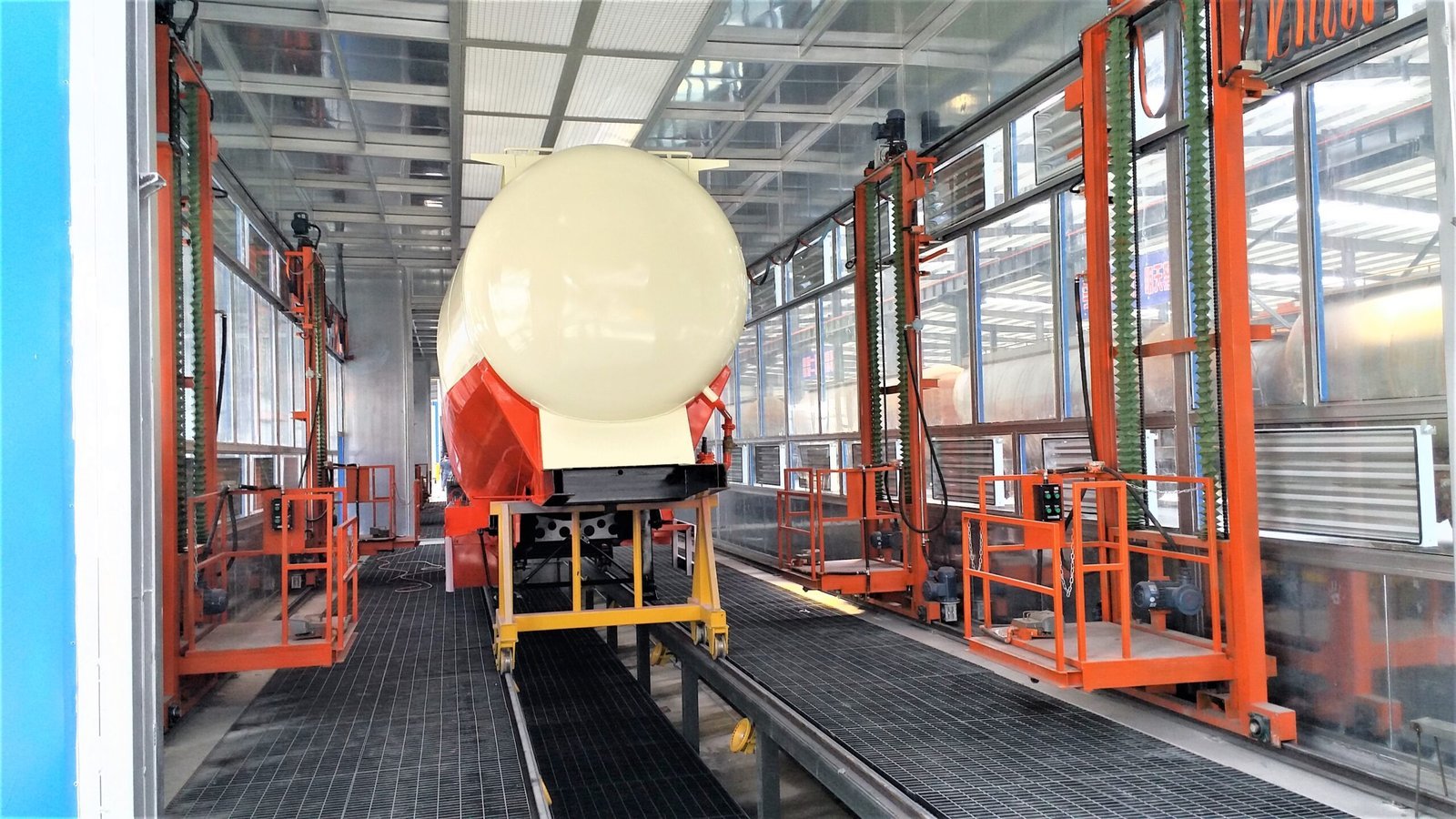
Applied by spray or brush and cured under controlled conditions.
Polyurethane Coating
Offers excellent UV and abrasion resistance.
Often used as a topcoat over epoxy primer for additional protection.
Zinc-Rich Primer
Forms a sacrificial layer to prevent rust.
Frequently used on steel bulk cement tankers before topcoat application.
Powder Coating (Optional)
Electrostatic application of powdered resin.
Cured under high heat for a durable, smooth finish.
For full manufacturing details, see Fuel Tanker Trailer Manufacturing Process.

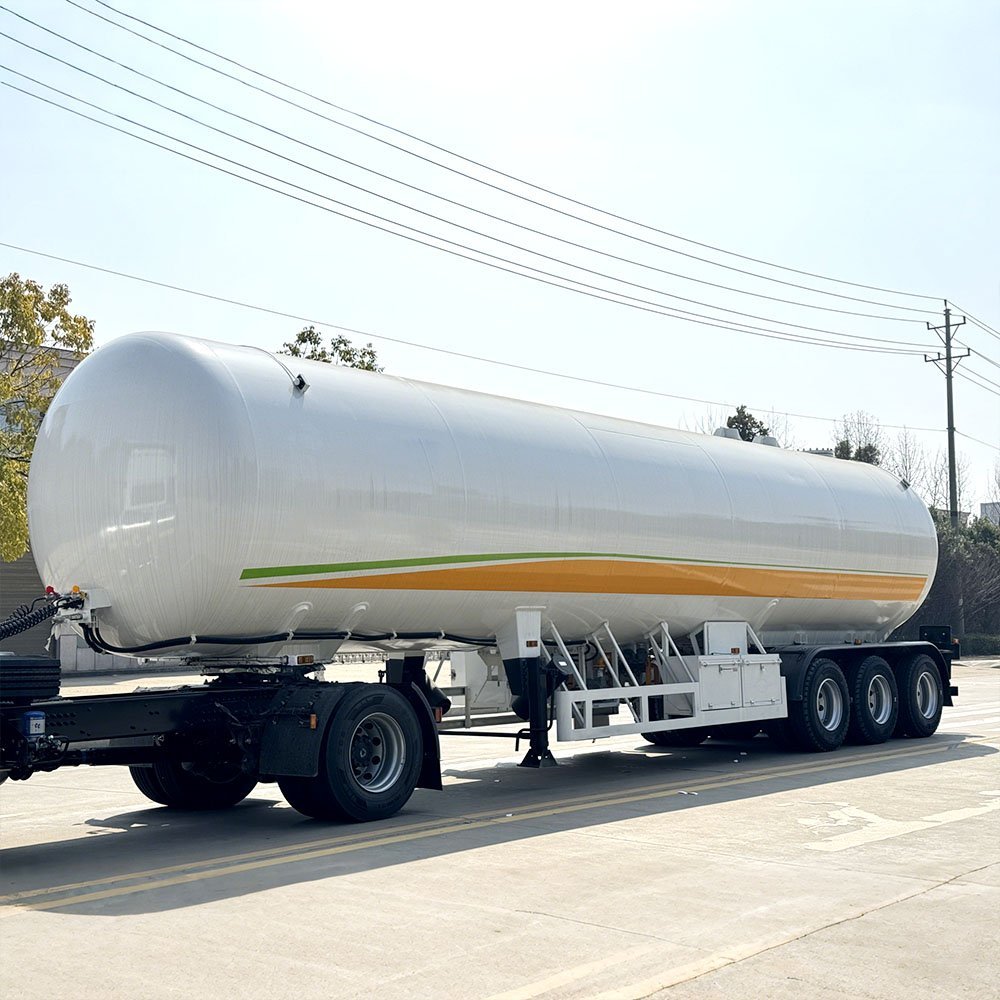
2. Surface Preparation
Proper surface preparation is critical:
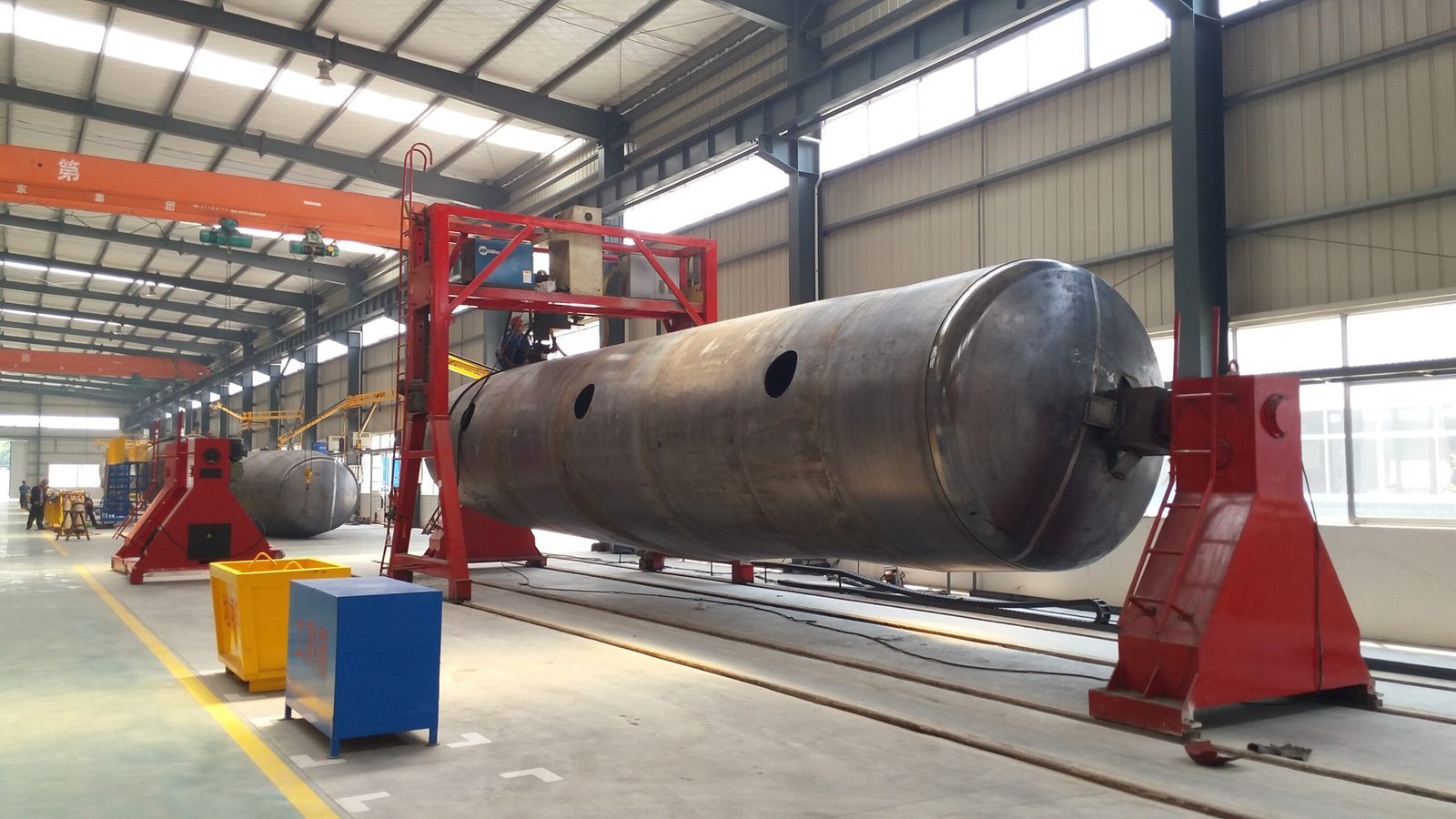
Sandblasting or shot blasting removes rust, mill scale, and contaminants.
Degreasing ensures coating adhesion.
Moisture control prevents premature coating failure.
A well-prepared surface can improve coating lifespan by several years and reduce maintenance costs.
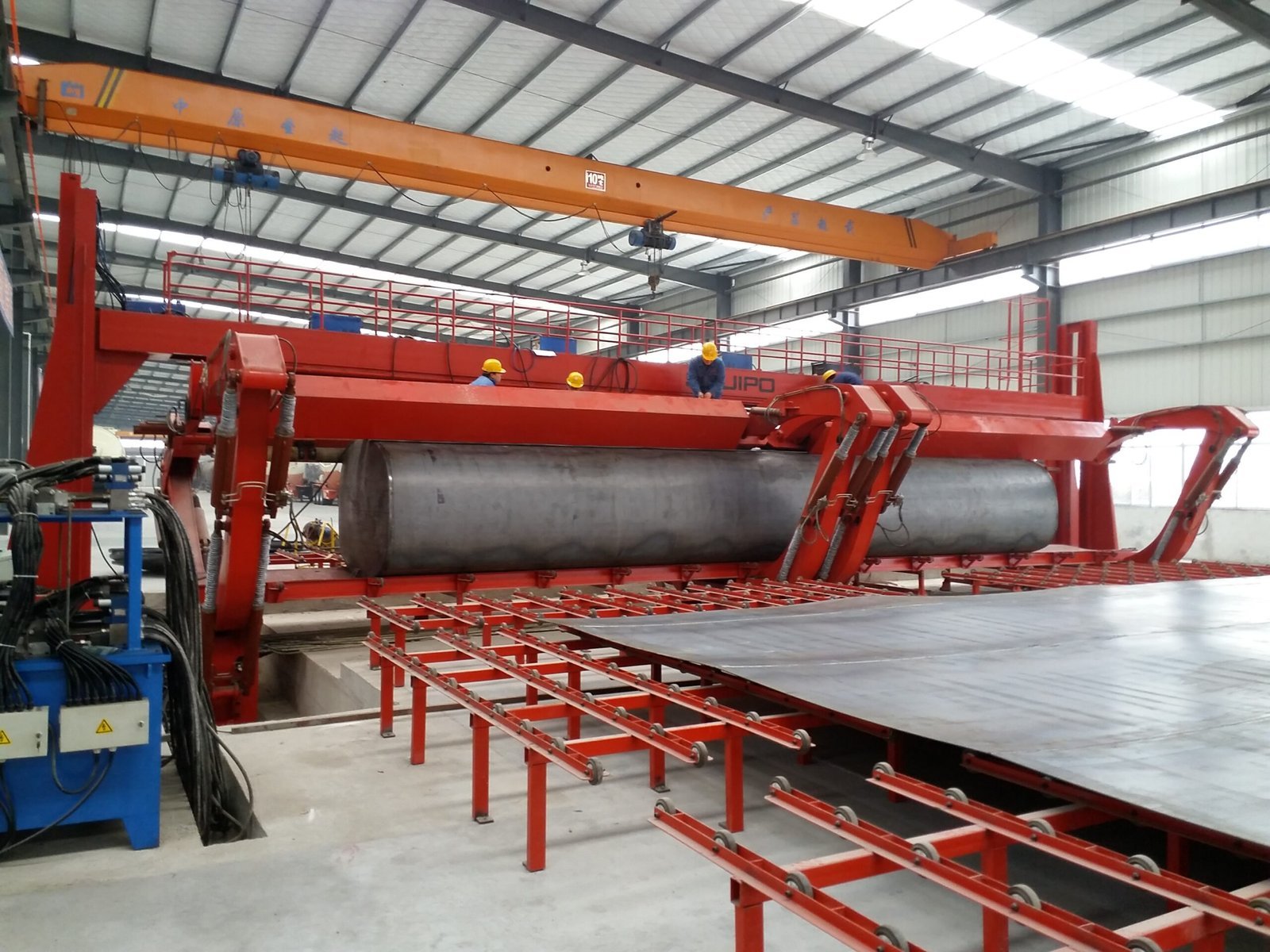
3. Maintenance and Inspection
Even with high-quality coatings, regular maintenance is essential:
Inspect the tank exterior for scratches, corrosion spots, or peeling.
Repair damaged areas immediately using matching coating materials.
Periodically clean the interior of chemical or cement tanks to avoid material buildup that could compromise protective layers.
Learn more about maintenance in Fuel Tanker Trailer Full Guide.
4. Benefits of Anti-Corrosion Coatings
Applying the correct coatings offers multiple advantages:
Extended Service Life: Trailers last longer even under harsh conditions.
Enhanced Safety: Prevents leaks or structural failures caused by rust.
Compliance: Meets international standards such as ISO 12944 for corrosion protection.
Cost Efficiency: Reduces downtime and repair costs over the trailer’s lifespan.

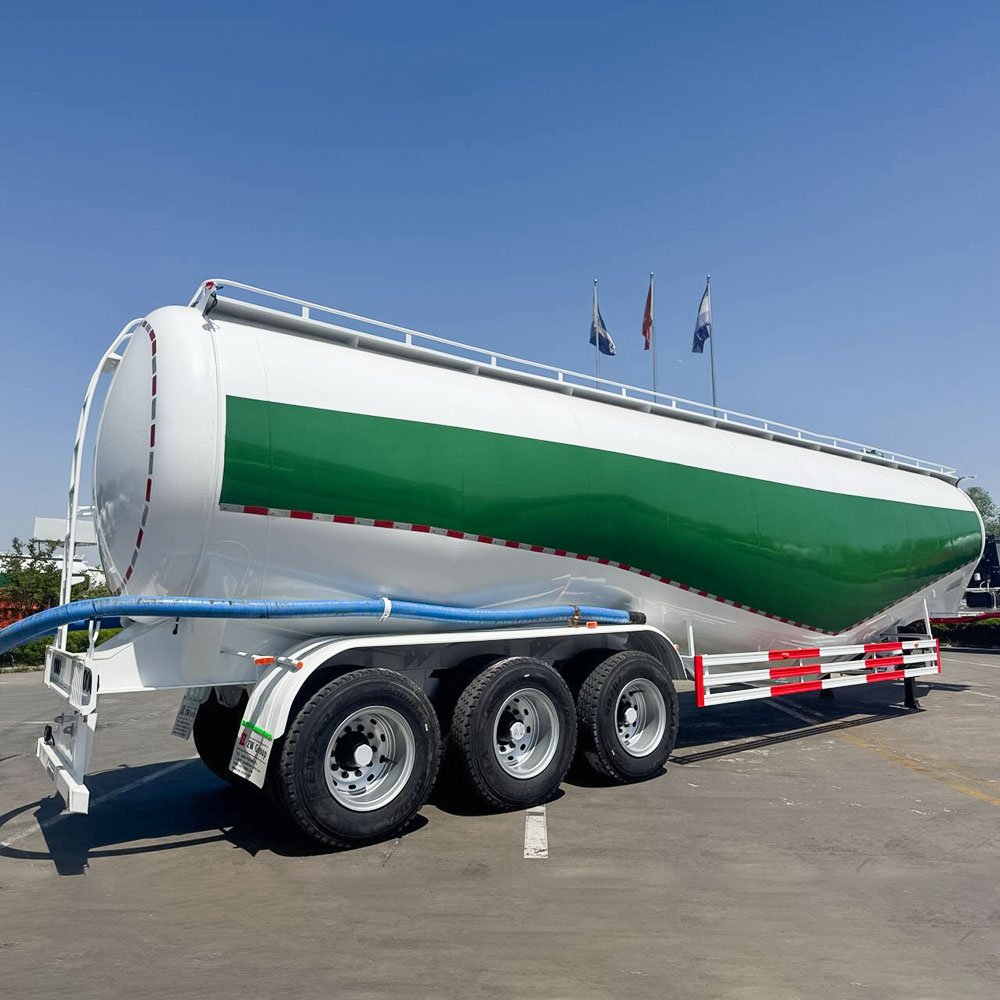
5. Practical Considerations
Choose coatings based on cargo type (fuel, chemical, bulk cement).
Account for climate conditions where trailers operate (tropical, desert, coastal).
Train staff in proper application and inspection techniques to maximize effectiveness.
6. External References
Proper anti-corrosion coating is a critical investment for fuel tankers and bulk cement tankers, ensuring operational safety, regulatory compliance, and long-term reliability.
If you want to maximize the lifespan and safety of your tank trailers, contact our team today to learn more about our high-quality coating services and complete tanker solutions. For detailed guidance on welding and manufacturing processes, refer to our Fuel Tanker Trailer Manufacturing Process.