
How to Choose the Right Tanker Trailer for Your Transport Needs
ZW Group| 2026-1-5
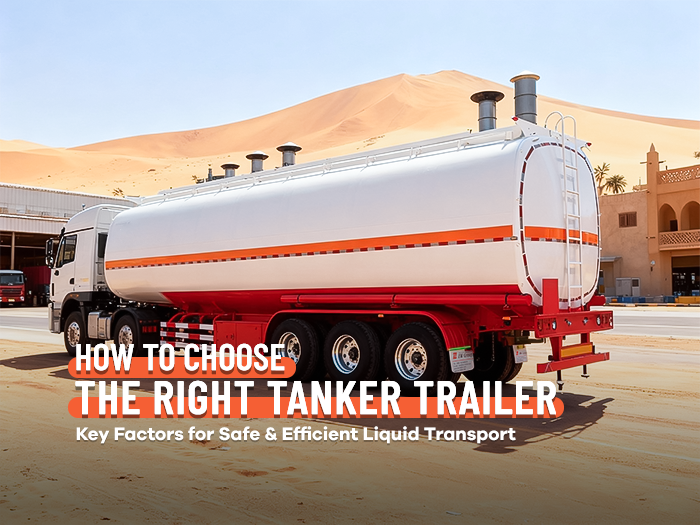
How to Choose the Right Tanker Trailer for Your Transport Needs
Choosing the right semi-trailer tanker is essential for safely and efficiently transporting fuel, chemicals, or bulk powders. Material selection, capacity, tank design, and regulatory compliance directly affect operational safety, transport efficiency, and costs. This guide will help you make informed decisions.
1. Identify Your Cargo Type and Capacity Requirements
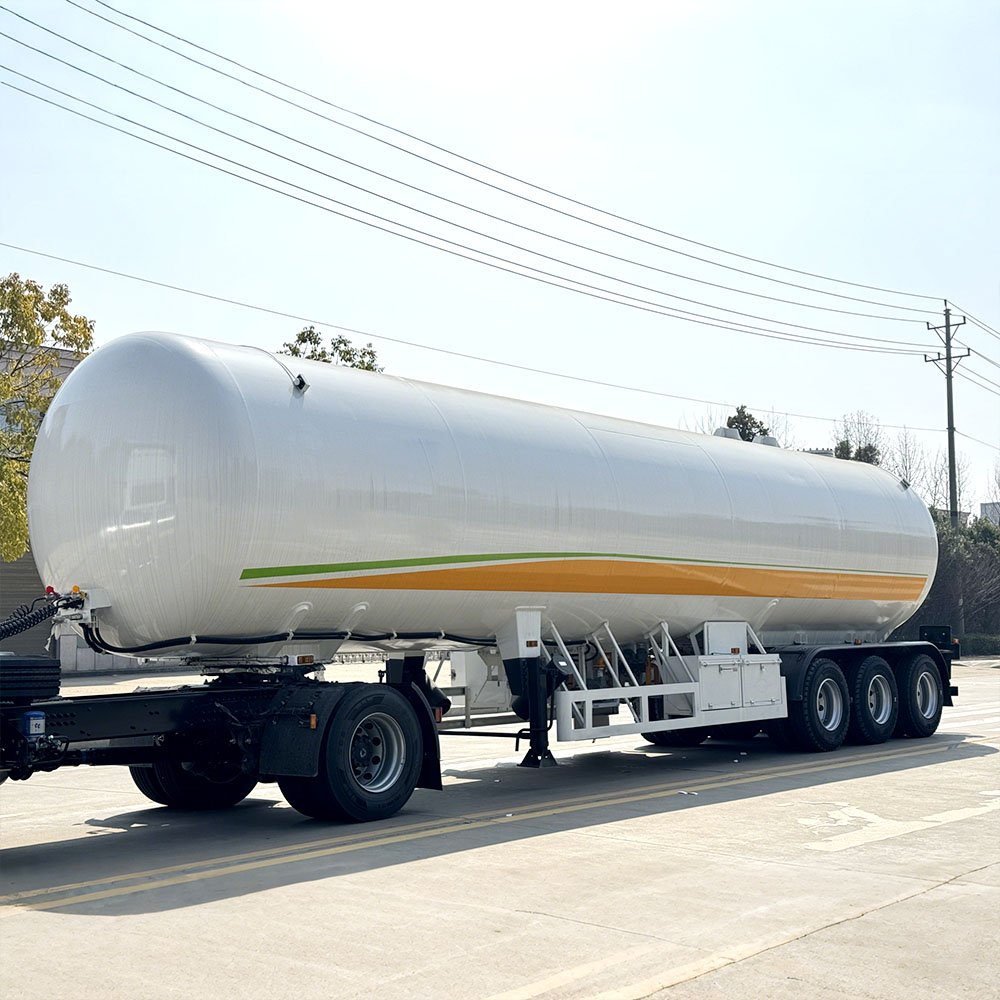
Start by determining the cargo type: fuel, LPG, chemicals, or bulk powders, as each requires specific trailer features:
Fuel & LPG: Stainless steel or coated carbon steel is recommended to prevent corrosion and ensure safety.
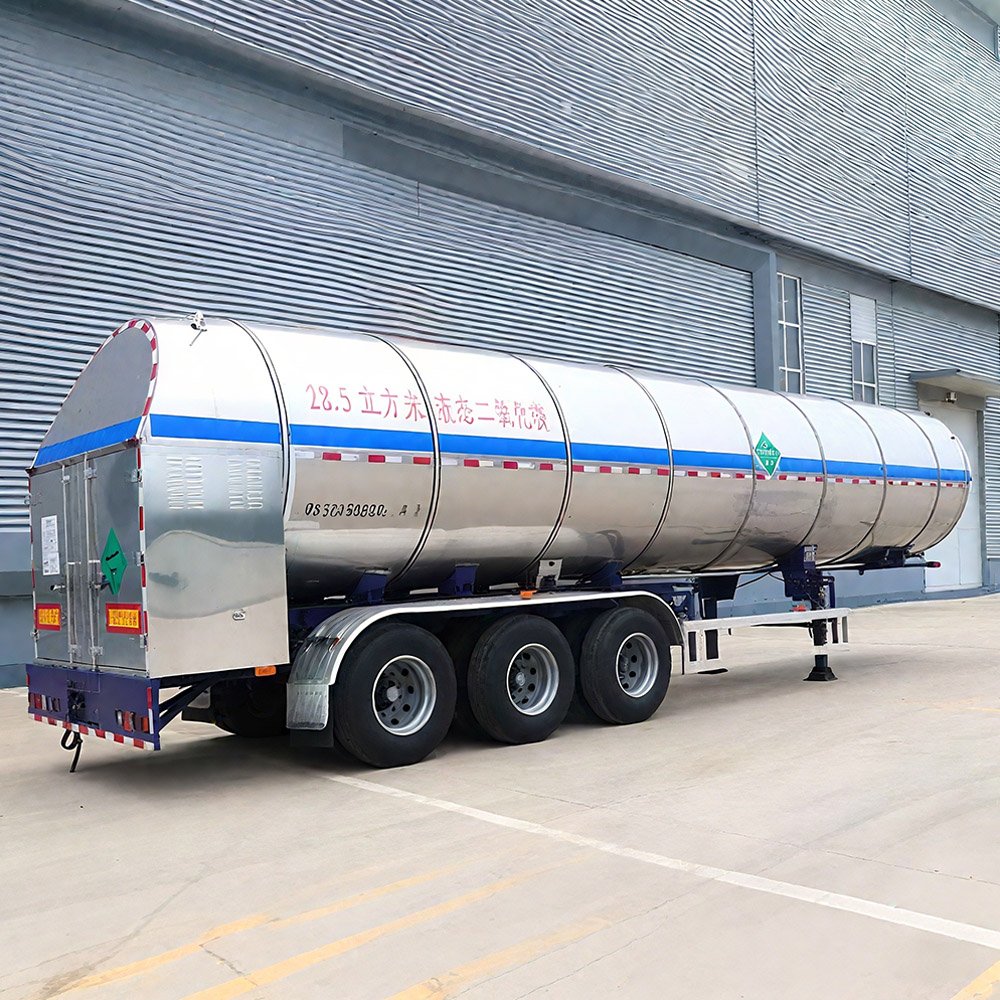
Chemicals: Stainless steel tanks with anti-corrosion coatings. See our Chemical Tanker Trailer Guide for detailed specifications.
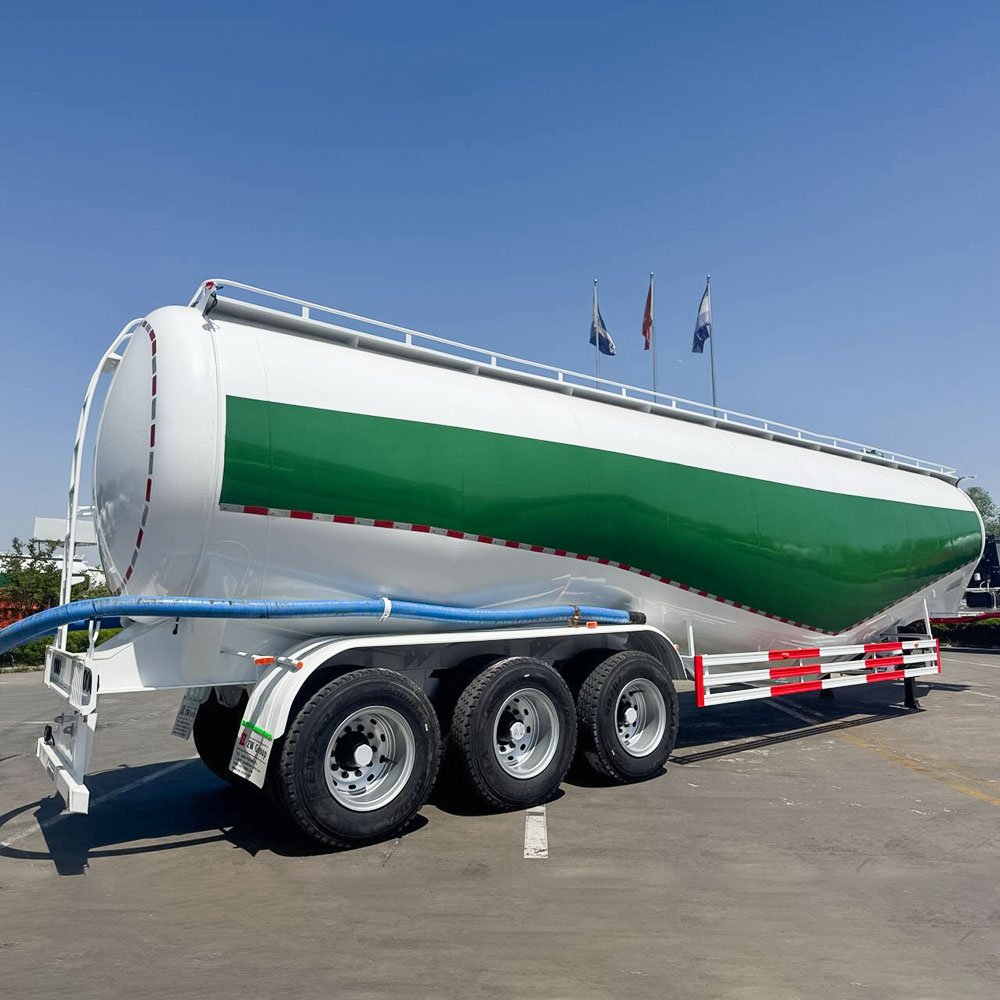
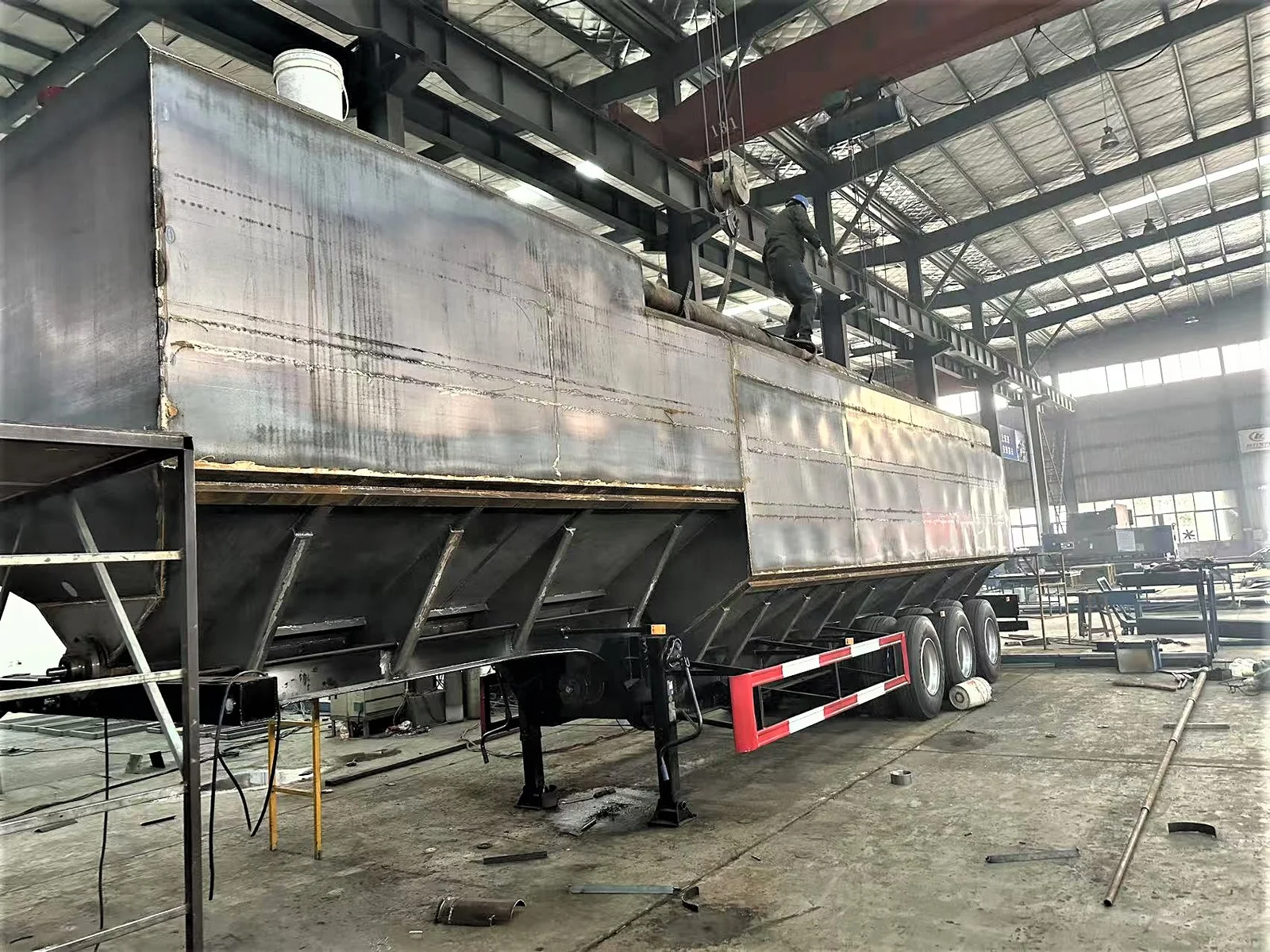
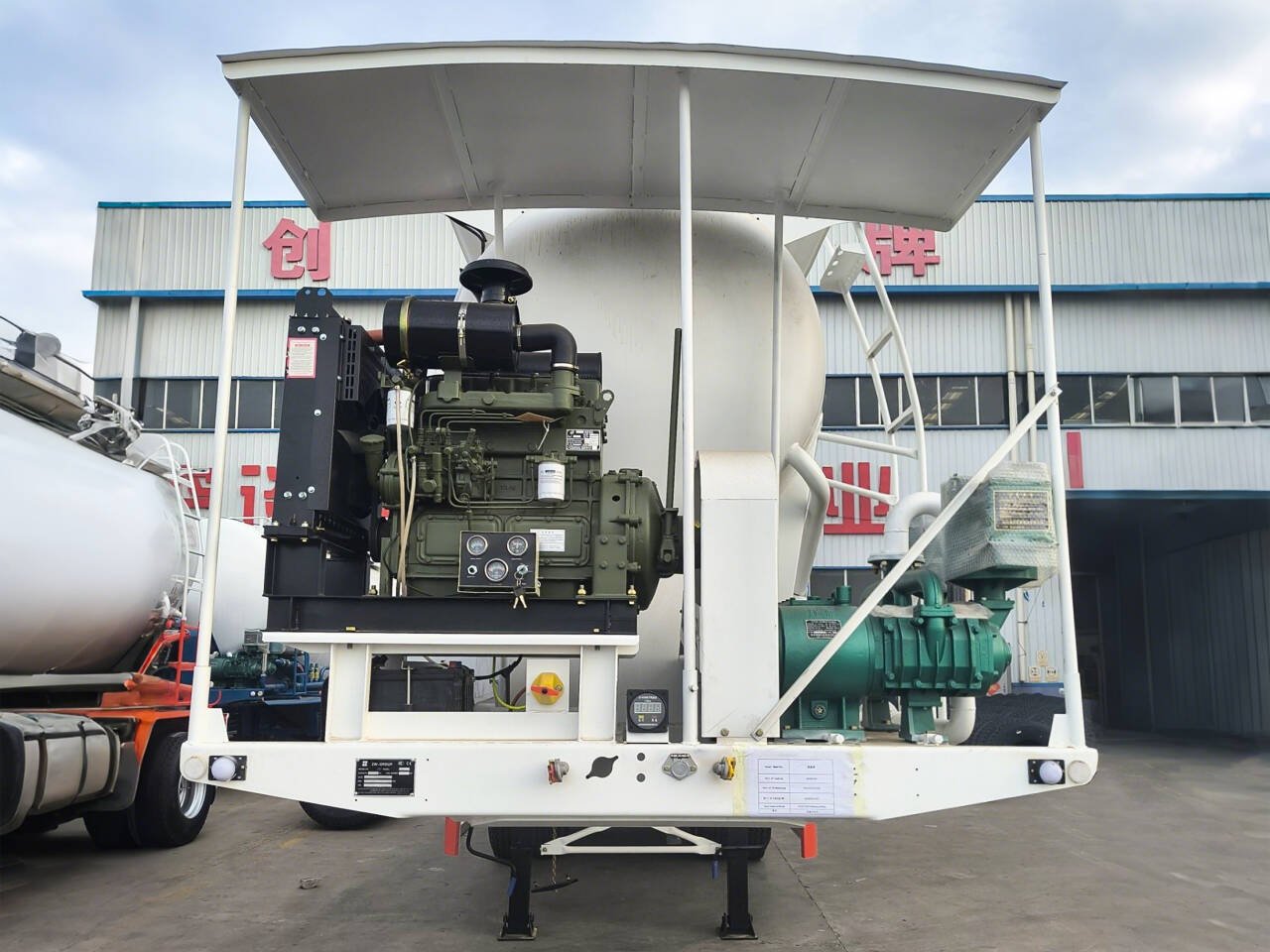
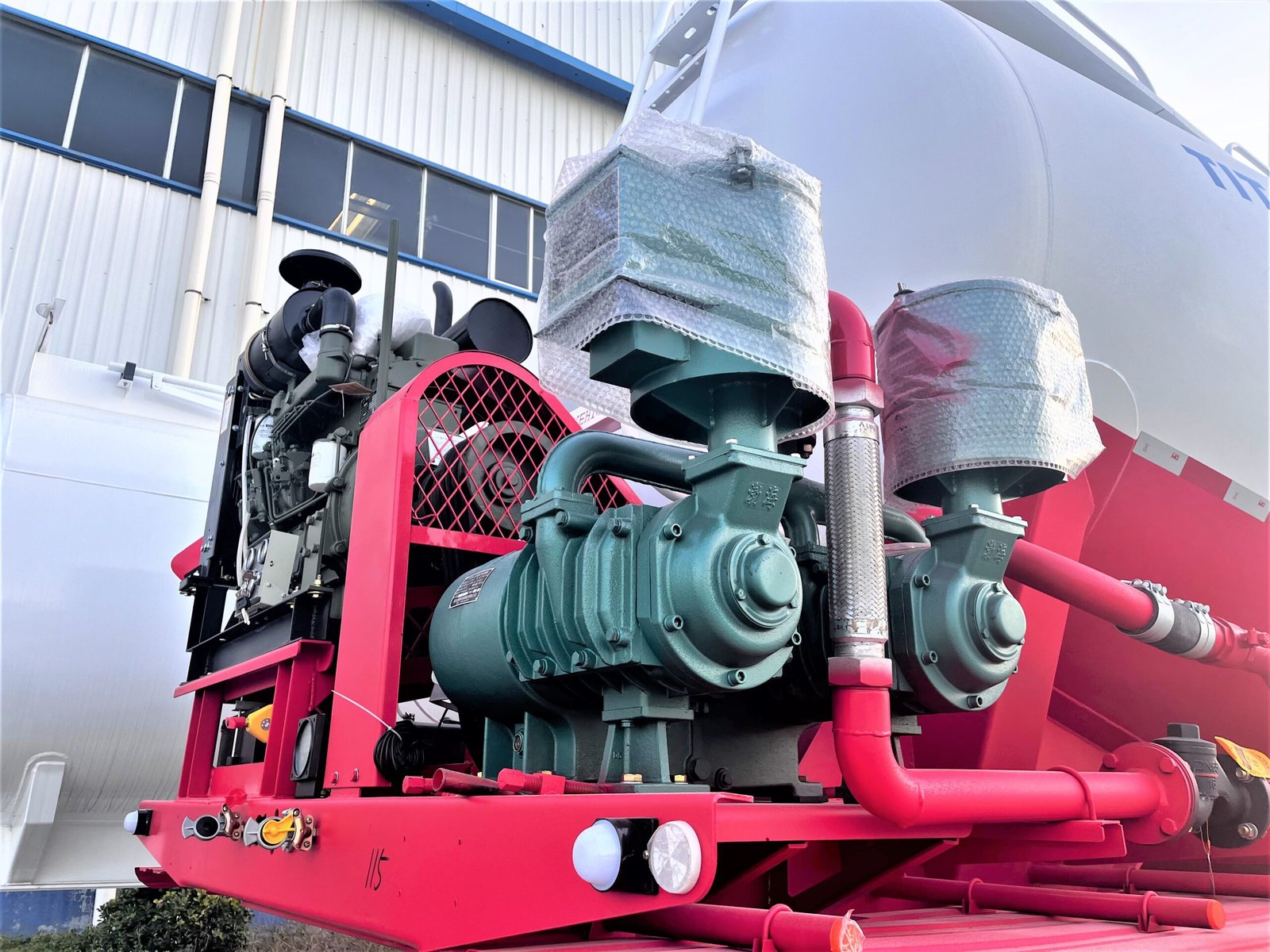
Bulk powders: Use specialized powder or cement trailers with air-assisted discharge systems. Details: Bulk Cement Tanker Trailers: A Manufacturer’s Guide.
Capacity depends on route length, tractor configuration, and loading/unloading facilities. Fuel tankers typically range from 20,000L to 45,000L, bulk powder trailers from 20–50m³.
2. Tank Material and Structure
Stainless Steel: Corrosion-resistant, suitable for chemical or food-grade liquids.
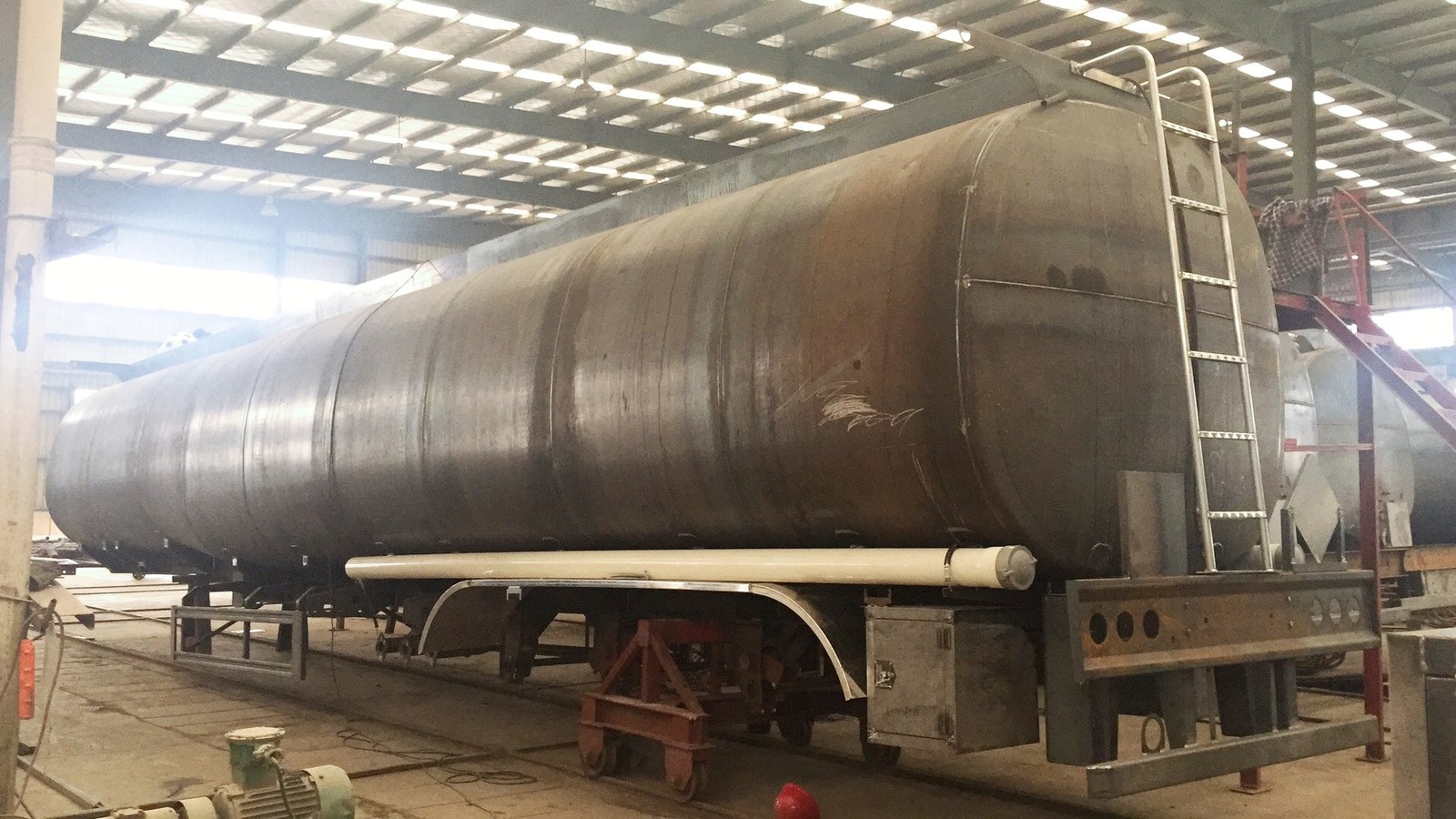
Carbon Steel: Lower cost, ideal for fuel or bitumen transport; requires protective coatings.
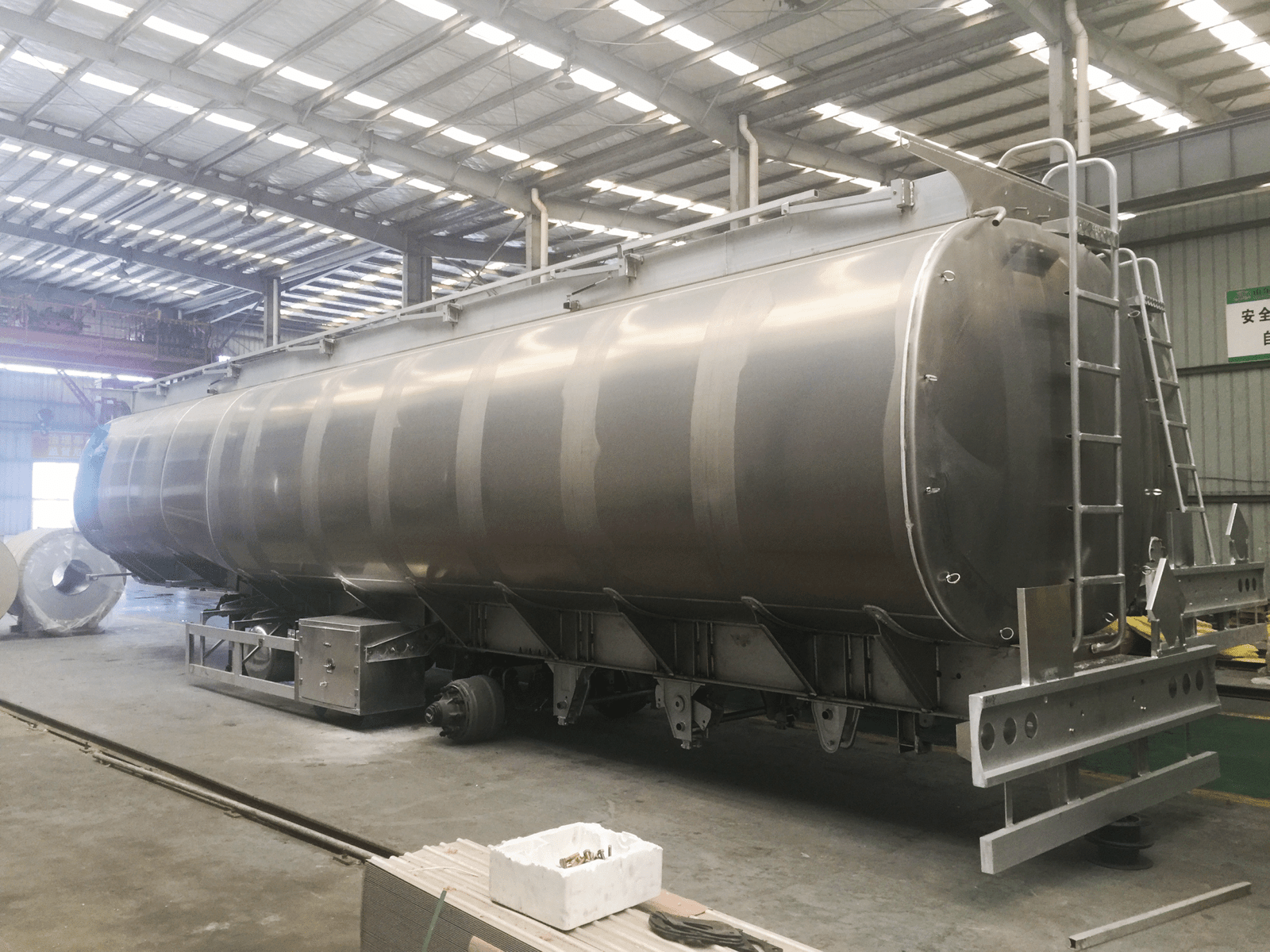
Aluminum: Lightweight, improves fuel efficiency, but long-haul heavy loads need caution.
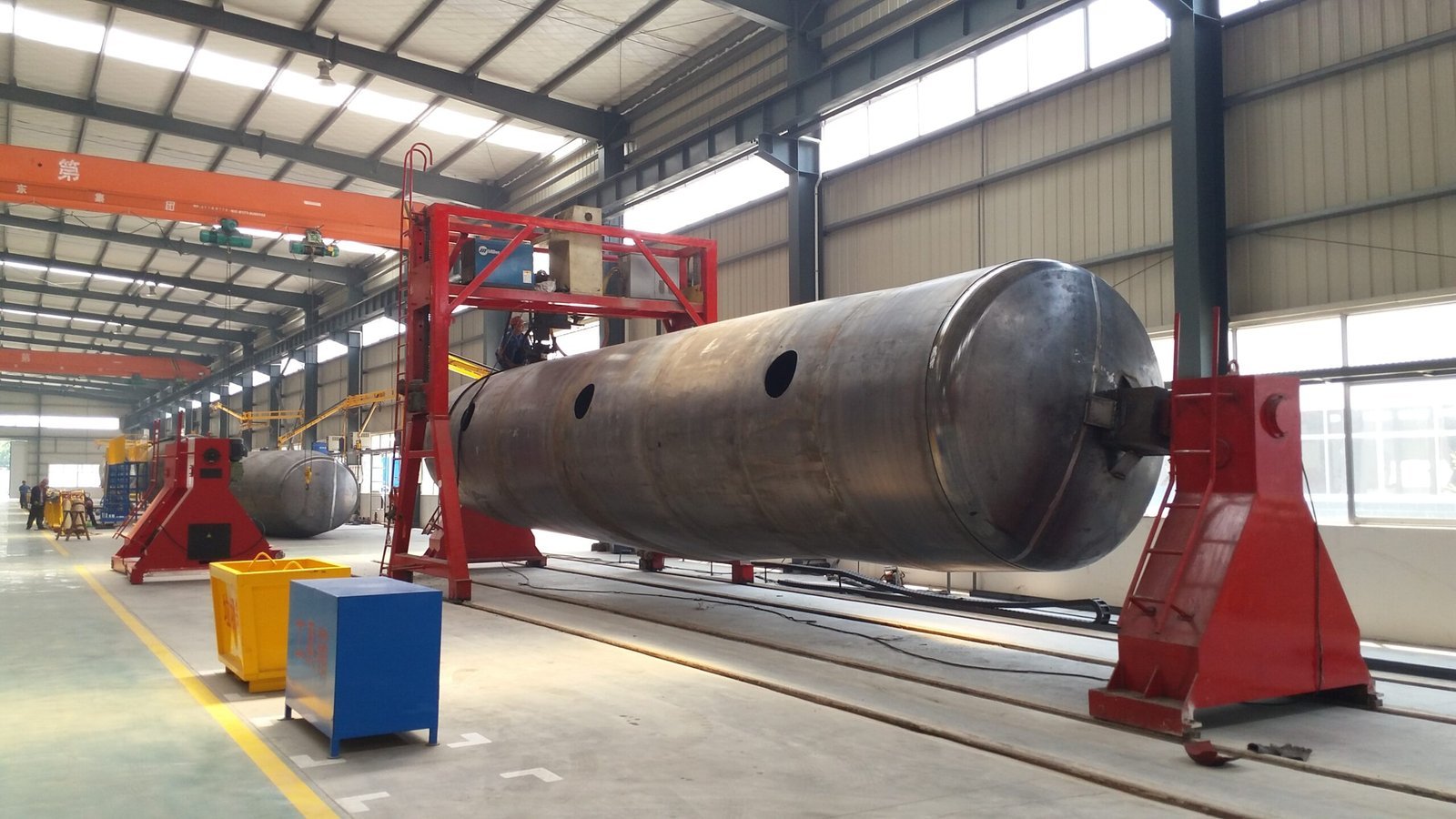
Ensure the tanker is fabricated with proper welding. Learn more about Tanker Trailer Welding Methods and Anti-Corrosion Coating Methods to extend service life and enhance safety.
3. Compartments and Baffles
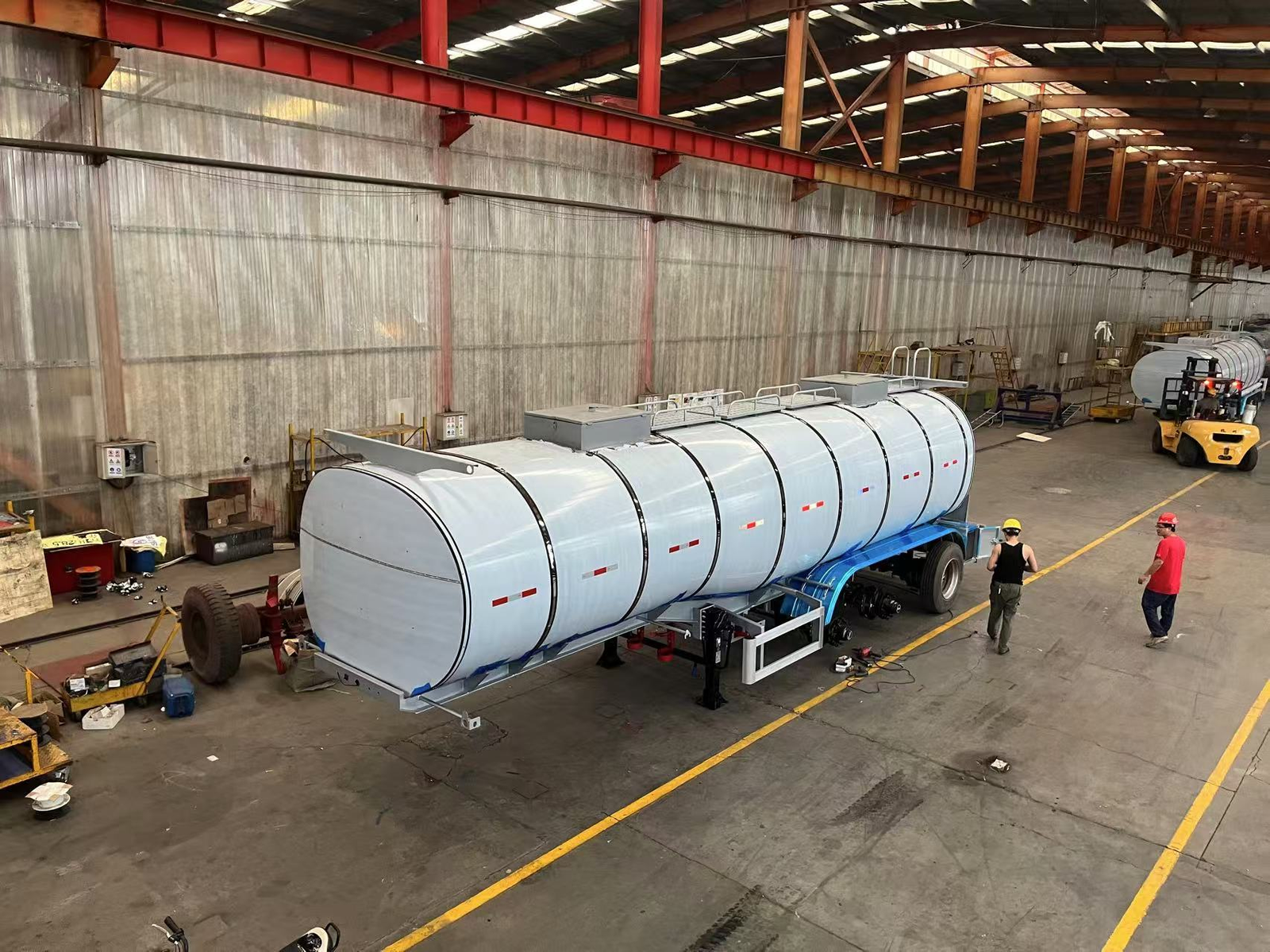
Multi-compartment tanks allow different products in a single trip while minimizing liquid movement and improving stability:
Baffles: Reduce liquid surge, improve driving stability
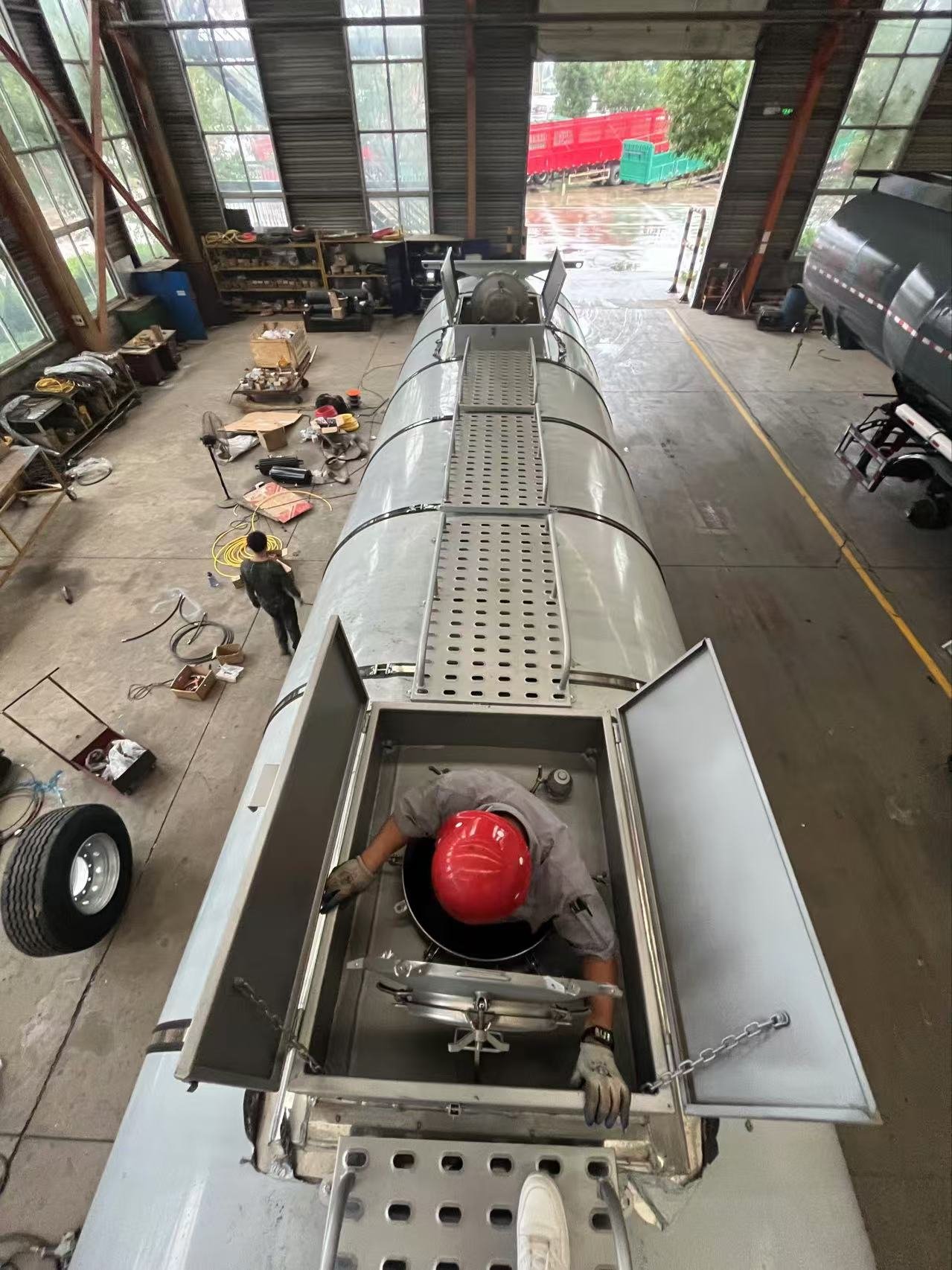
Manholes: Fire-resistant design for easy cleaning and maintenance
Loading valves (Top/Bottom): Choose based on operational practices and local regulations
Bulk powder tankers should ensure smooth unloading to prevent clogging.
4. Chassis, Suspension, and Axle Configuration
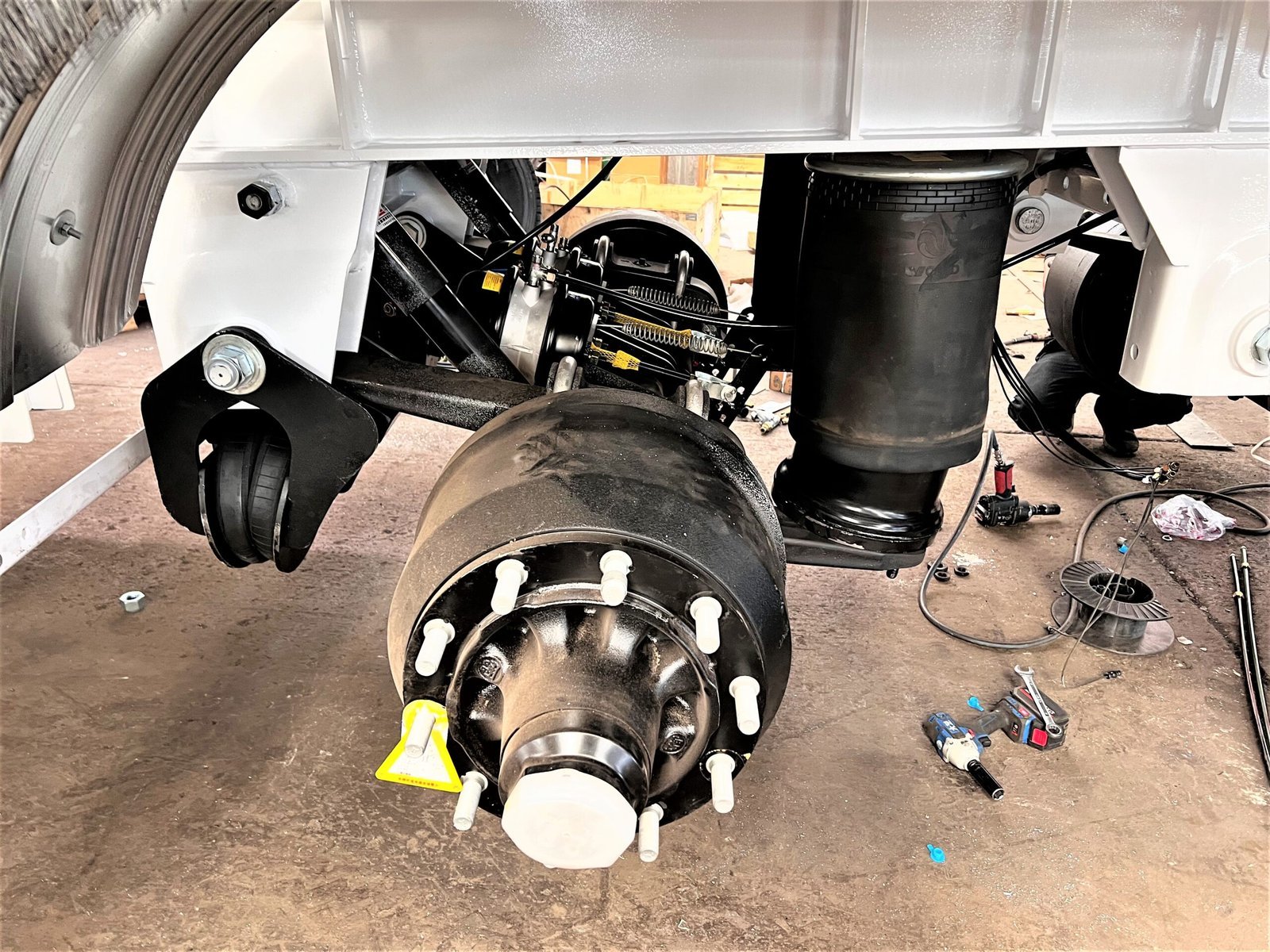
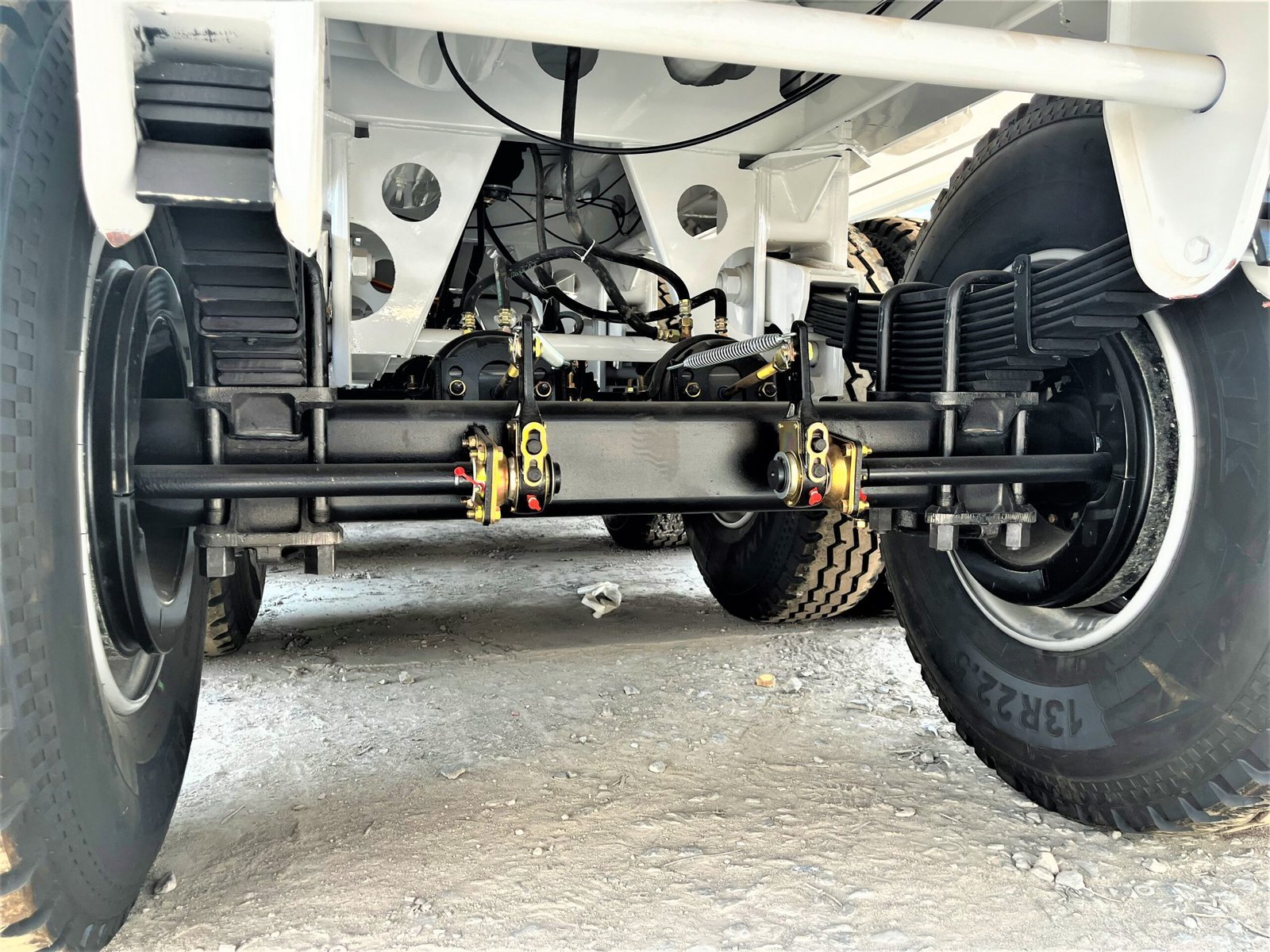
The chassis and suspension system affect ride stability and durability:
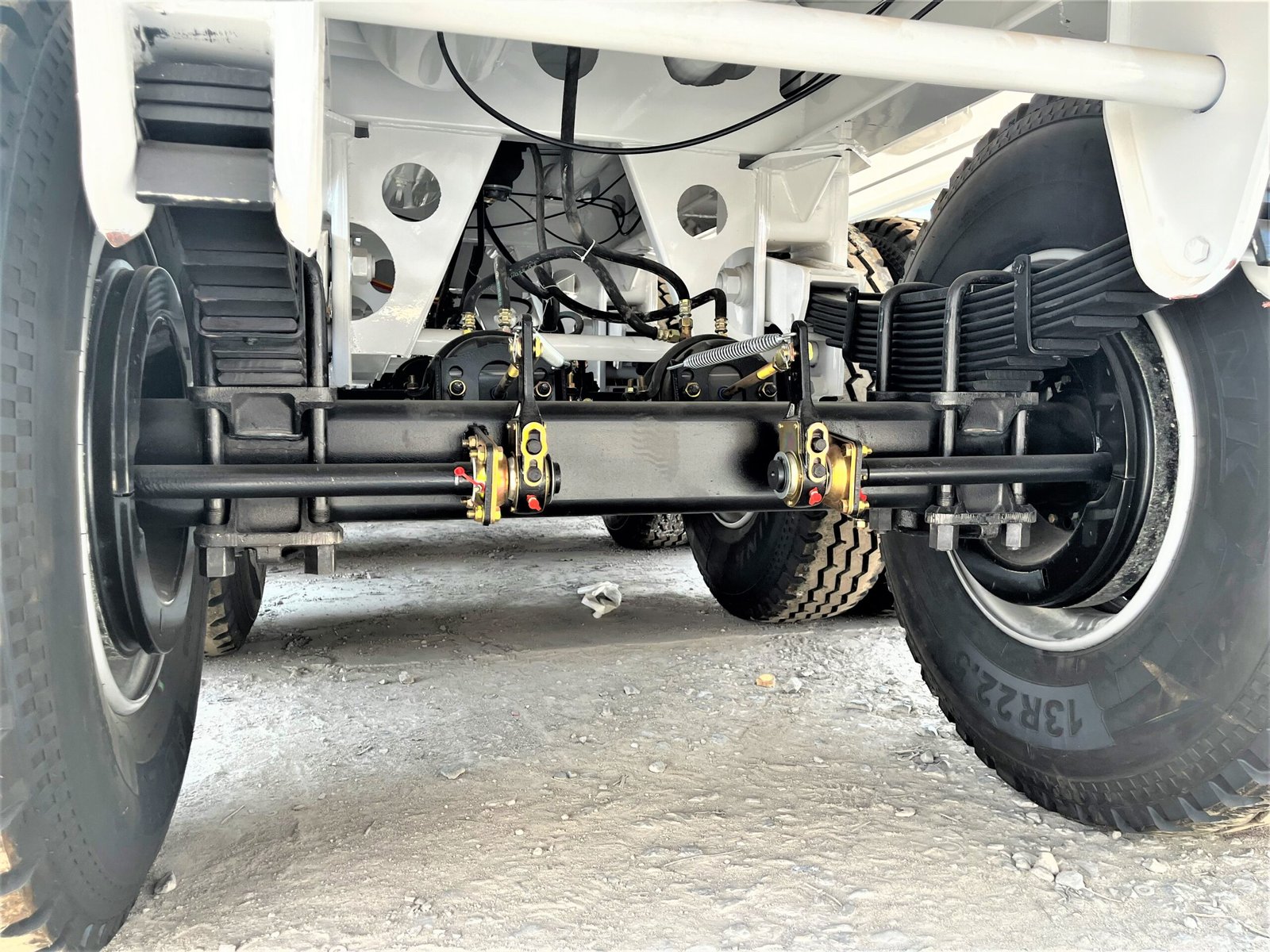
Axle configuration (6×4 vs 8×4): Long tanks or heavy loads require extra axles to distribute weight
Suspension type (leaf spring, air, or mixed): Air suspension provides smoother rides and reduces cargo shifting
Consider weight distribution, road conditions, and legal requirements when selecting.
5. Safety Features and Regulatory Compliance
Safety is the top priority when selecting a tanker trailer, especially for transporting hazardous liquids:
Braking systems: Advanced systems like ABS or EBS improve stopping control.
Fire safety: Emergency shutoff valves and fire‑resistant manholes help prevent accident escalation.
Regulatory compliance: Tanker trailers used for hazardous cargo must meet international safety standards such as the European Agreement concerning the International Carriage of Dangerous Goods by Road (ADR), which governs the road transport of hazardous materials across multiple countries and sets vehicle, labeling, and operational requirements
6. Maintenance and Operations
Regularly inspect welds, valves, and coatings
Maintain air compressors for powder discharge systems
Check tires, axles, and suspension per manufacturer guidelines
7. Cost and Return on Investment
Balance upfront cost with long-term efficiency:
Material choice: Stainless steel is costlier but low maintenance
Fuel efficiency: Heavier tanks reduce fuel economy
Safety & lifespan: High-quality trailers reduce accidents and maintenance costs
8. Conclusion & Call to Action
Selecting the right tanker trailer requires considering cargo type, route, regulations, and operational needs. The correct trailer ensures transport efficiency, safety, and long-term profitability.
Learn more:
Contact ZW Group today to get professional recommendations and customized solutions: Contact Us