
Common Mistakes When Buying Tanker Trailers
ZW Group| 2026-1-16
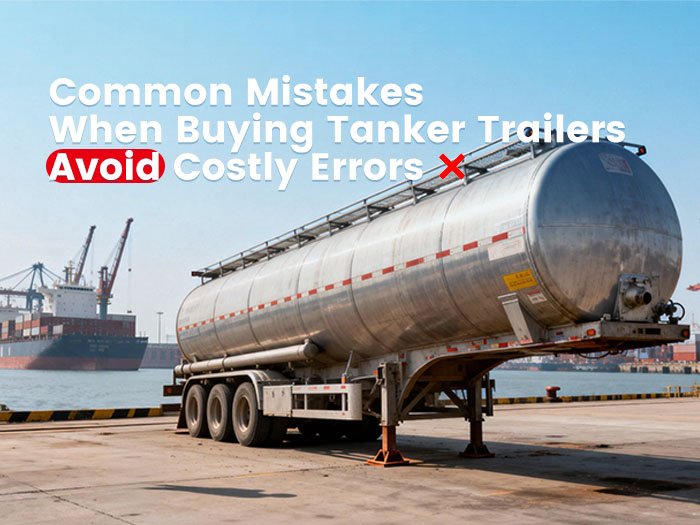
Common Mistakes When Buying Tanker Trailers
Buying a tanker trailer is a long-term investment. Whether used for fuel, chemicals, or bulk materials, an incorrect purchasing decision can lead to safety risks, high maintenance costs, and operational inefficiency.
Many buyers focus only on price, while overlooking critical technical and operational factors. Below are the most common mistakes made when buying tanker trailers — and how to avoid them.
1. Choosing Price Over Quality
One of the biggest mistakes is selecting the lowest-priced tanker trailer without evaluating its manufacturing quality.
Low-cost trailers often use thinner steel plates, simplified welding processes, or low-grade valves. Over time, this may result in leakage, deformation, or structural fatigue.
Before purchasing, it is essential to understand the full manufacturing process of a fuel tanker trailer, including steel forming, welding, and quality inspection.

2. Selecting the Wrong Tank Capacity
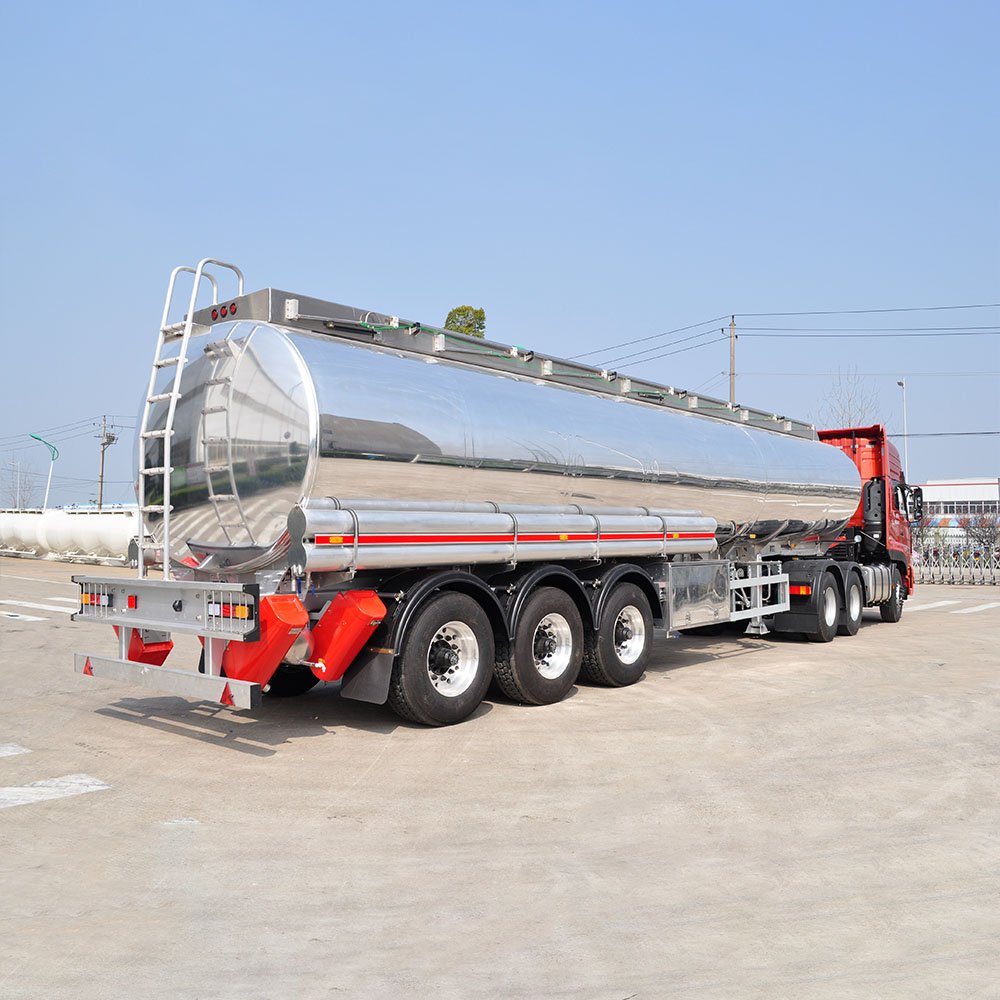
Another common mistake is choosing a tank size that does not match actual operating conditions.
For example, many buyers in Africa prefer larger capacities, such as 45,000 liters, because they improve transport efficiency and reduce trips. However, selecting oversized tankers without considering road limits or axle load regulations may cause compliance problems.
If you operate in West Africa, reviewing why 45,000L fuel tanker trailers are popular in Nigeria can help you understand the balance between capacity and road conditions.
3. Ignoring Tank Material Selection
Different cargo types require different tank materials.
Carbon steel is commonly used for diesel and gasoline
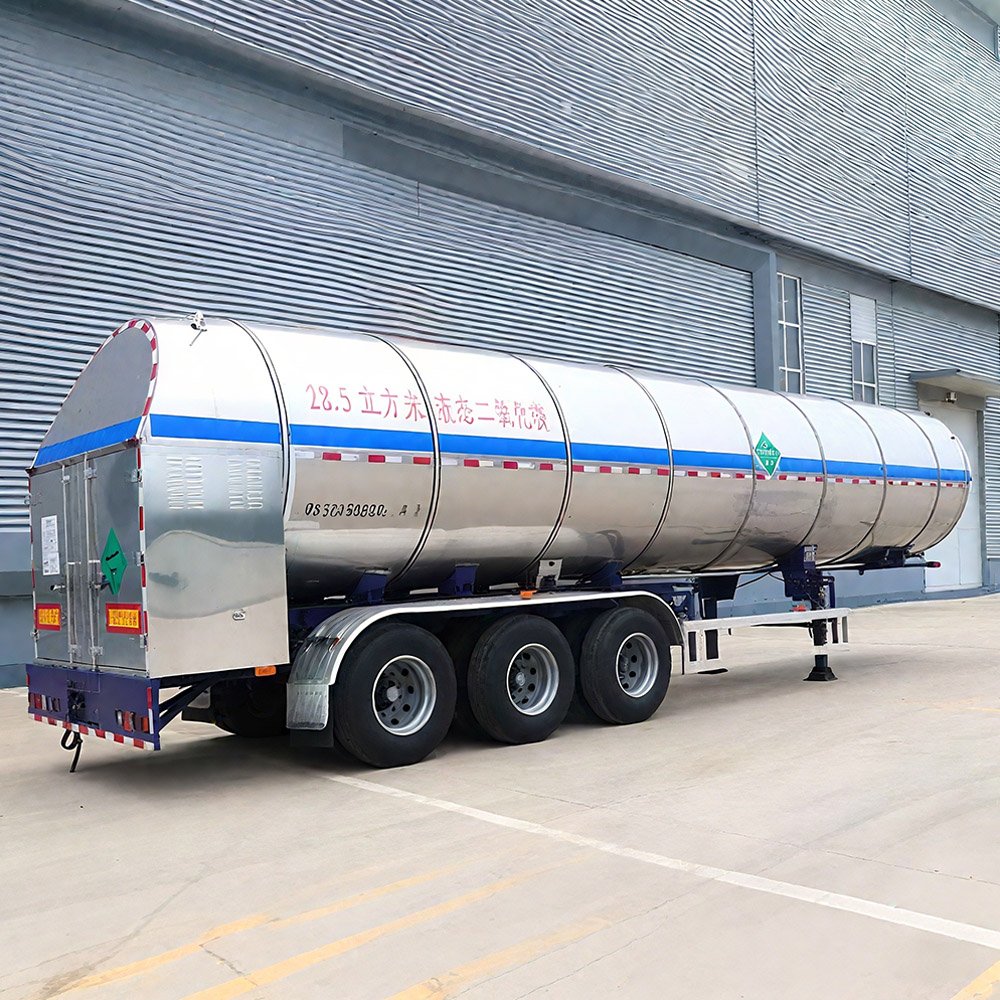
Stainless steel is required for chemicals or food-grade liquids
Aluminum offers weight advantages but higher cost
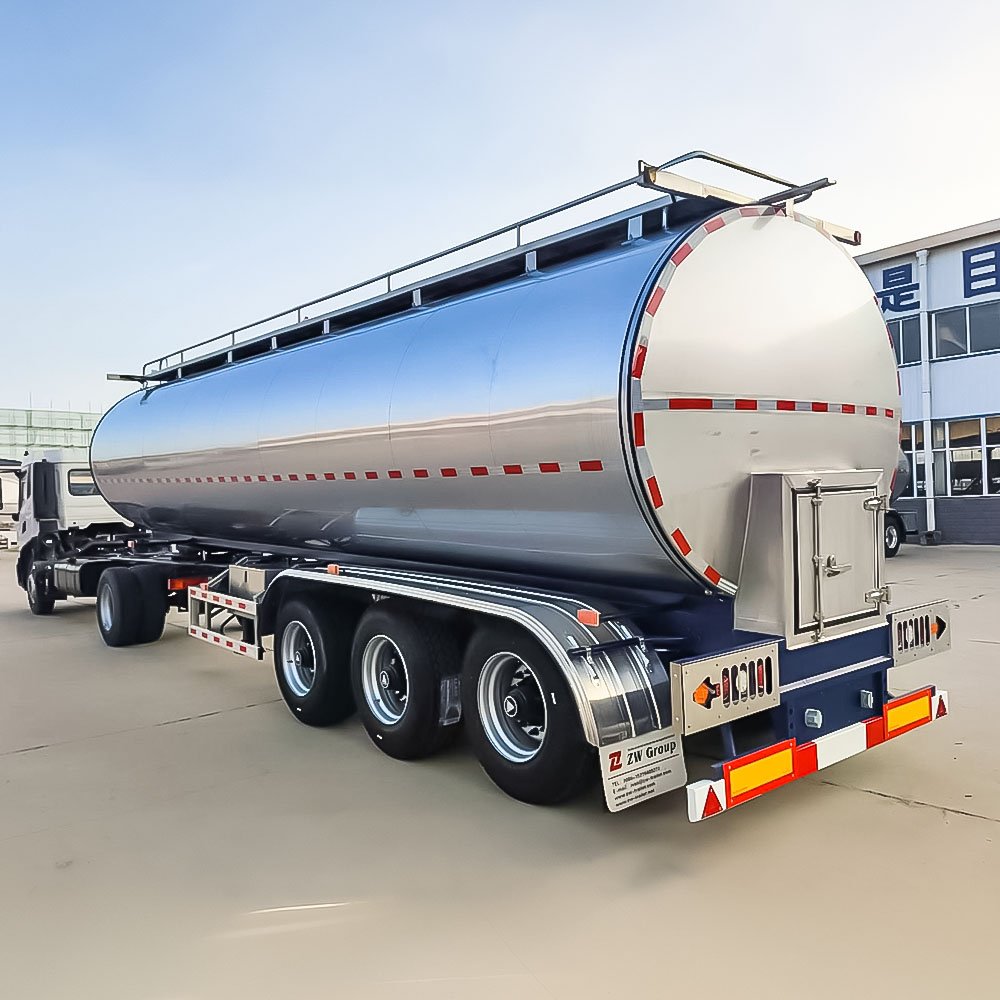
Using the wrong material can lead to corrosion, contamination, or shortened service life. Understanding cargo compatibility is essential before confirming specifications.

4. Overlooking Safety Systems
Safety should never be treated as optional.
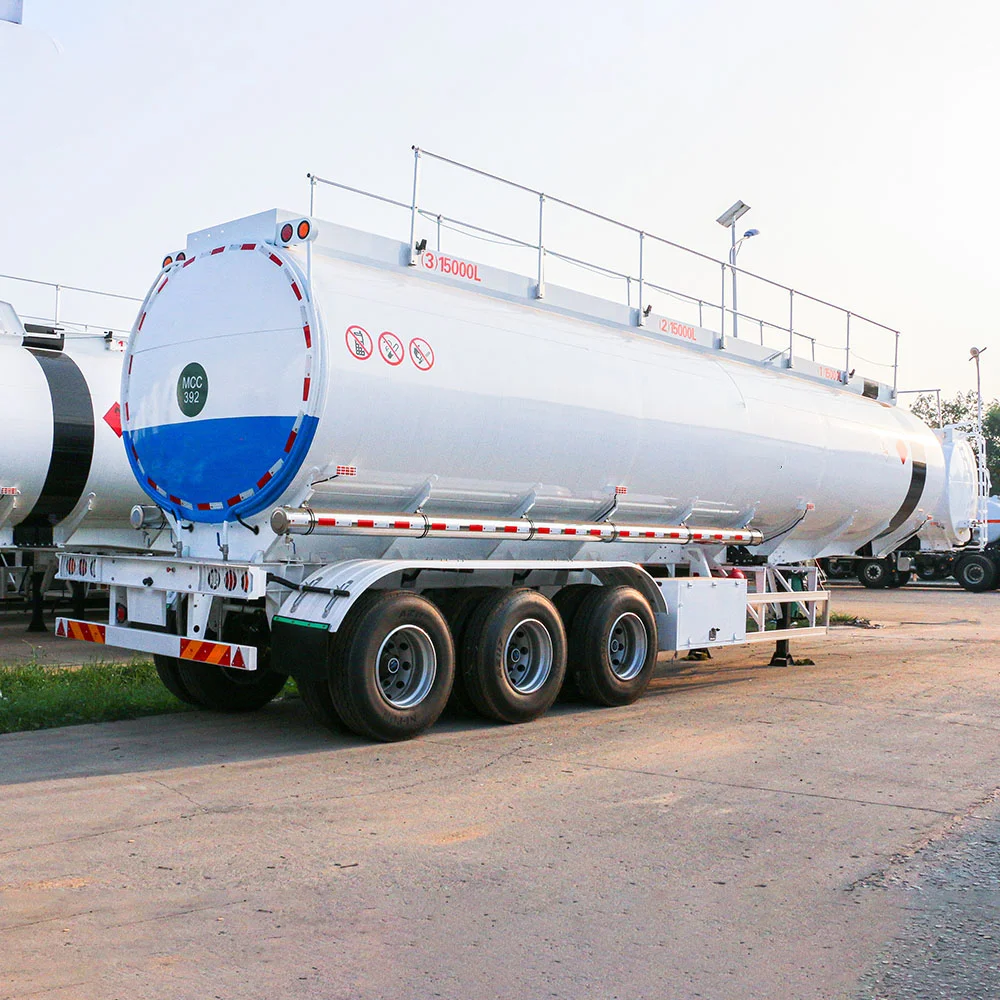
Many buyers underestimate the importance of:
ABS or EBS braking systems
Emergency shut-off valves
Fire-resistant manholes
Anti-surge baffles inside the tank
According to international transport safety standards, tanker trailers transporting hazardous liquids must meet strict structural and operational requirements.
5. Not Considering Local Regulations
Each market has its own regulations regarding tanker trailer imports, registration, and operation.
Failing to understand these rules before purchasing can cause customs delays or rework costs. Buyers should always confirm axle limits, braking requirements, and safety equipment standards before production begins.
6. Skipping After-Sales Support Evaluation
A tanker trailer is not a one-time purchase. Long-term operation depends on spare parts availability, technical support, and maintenance guidance.
Before placing an order, it is important to confirm whether the manufacturer can provide long-term service support and technical documentation.
Final Thoughts
Avoiding these common mistakes can significantly reduce operational risk and improve fleet performance. A well-designed tanker trailer offers not only safety and durability, but also long-term economic value.
If you are planning to invest in tanker equipment, reviewing a complete tanker trailer selection guide can help you make the right decision from the beginning.