
Common Mistakes When Buying Tanker Trailers
ZW Group| 2026-1-16
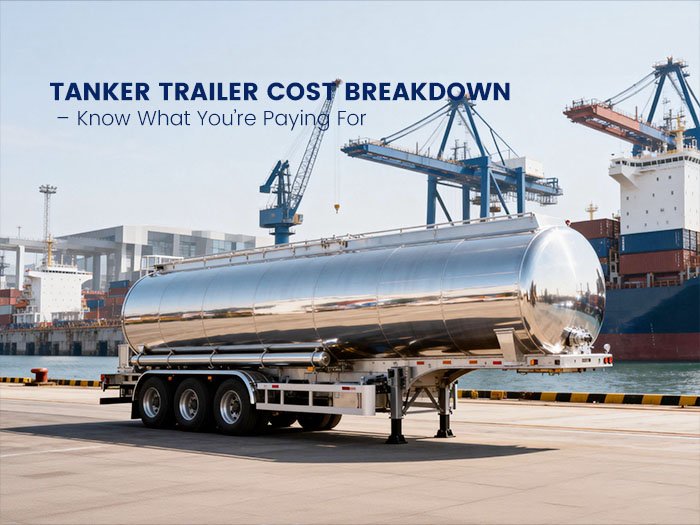
Cost Breakdown: How Much Does a Tank Trailer Cost?
When purchasing a tank trailer, price is often the first question buyers ask. However, tanker trailer cost varies significantly depending on design, materials, and technical configuration.
Understanding how the price is structured helps buyers make smarter investment decisions rather than comparing quotations blindly.
1. Tank Material Cost
The tank body material is one of the largest cost components.
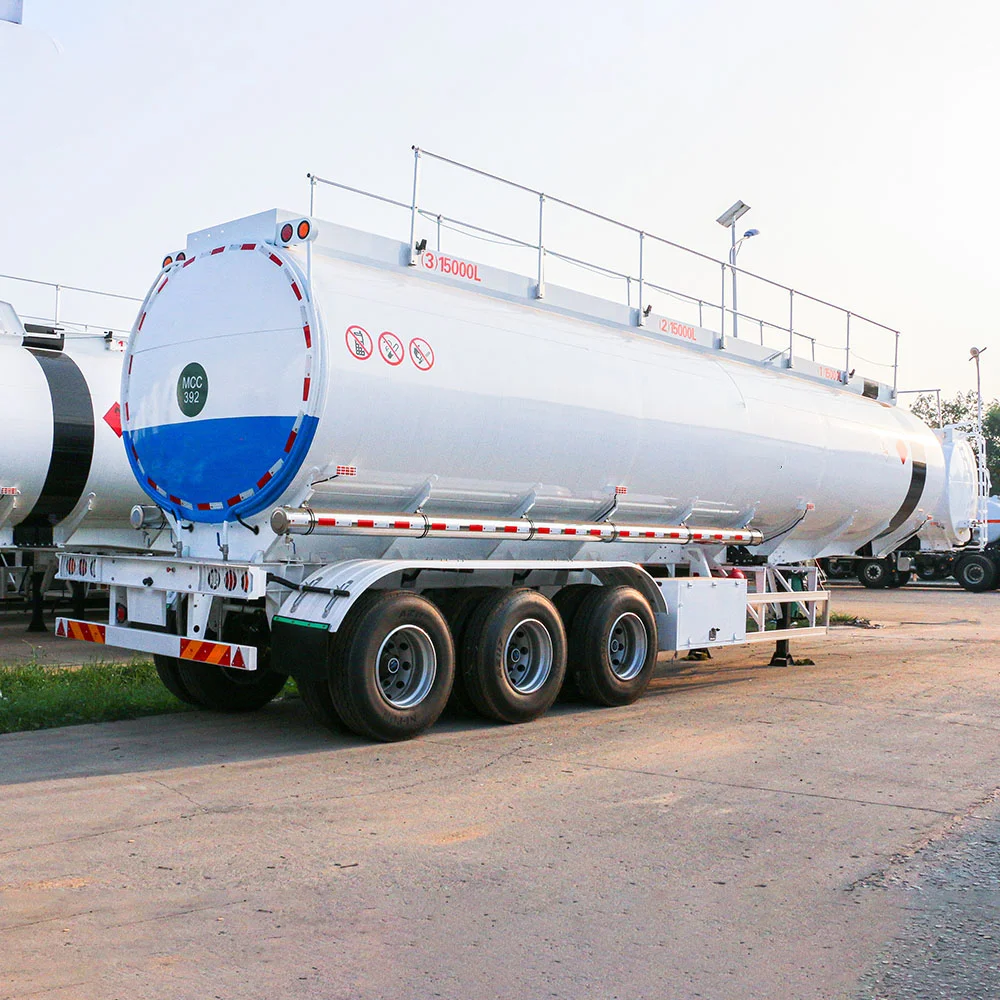
Carbon steel: most economical option
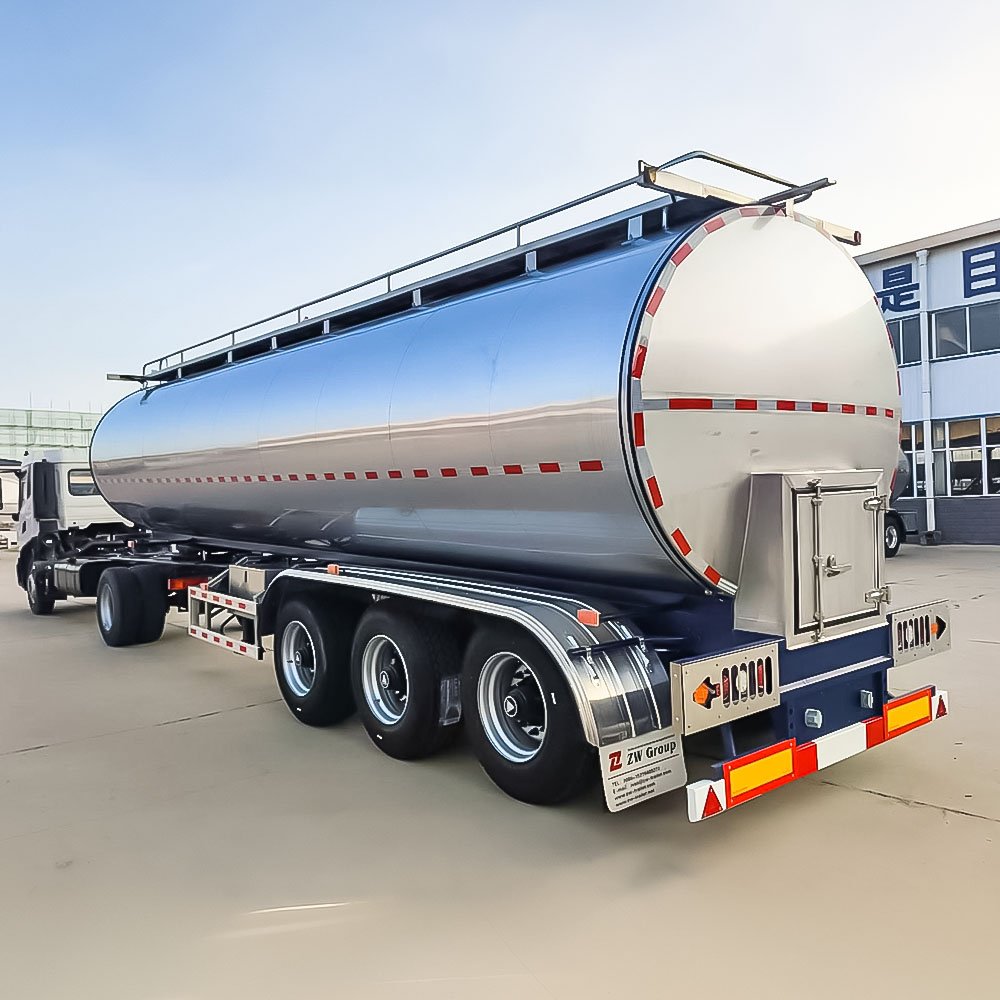
Stainless steel: higher corrosion resistance, higher price
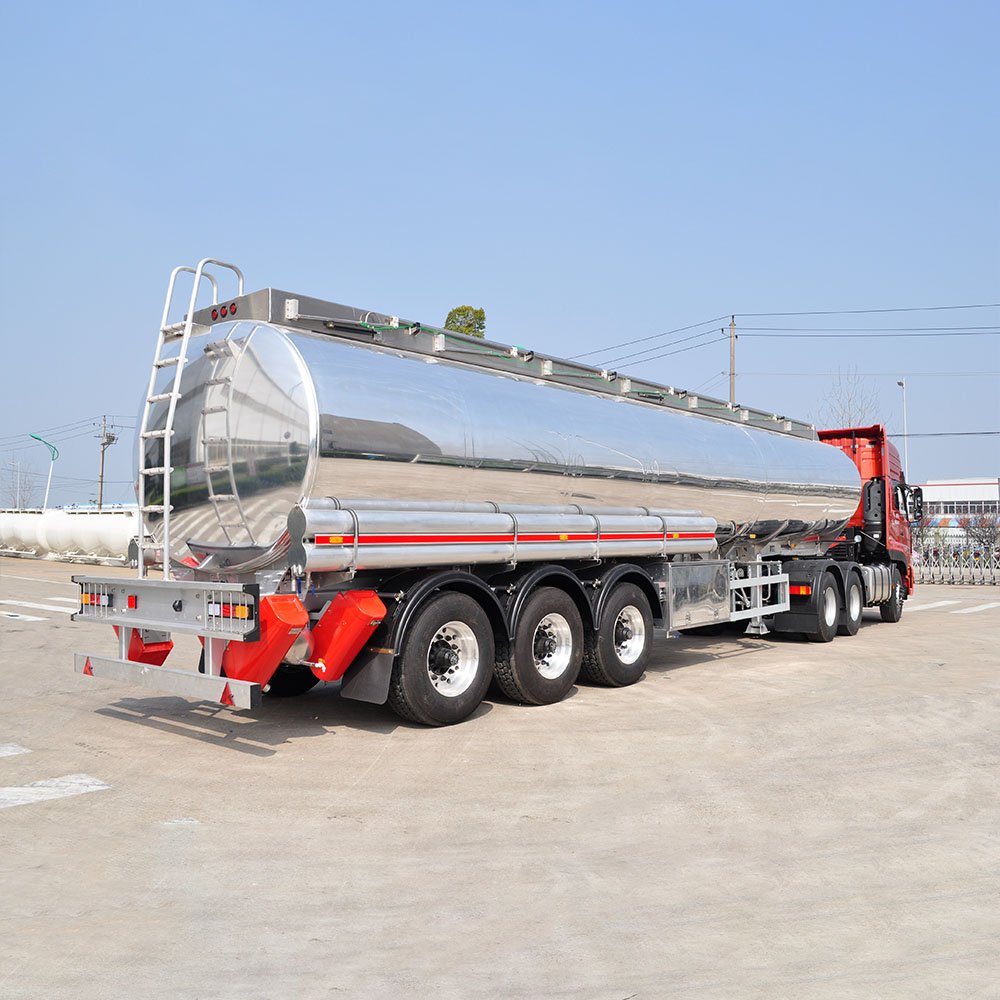
Aluminum alloy: lightweight but premium cost
Material thickness also directly affects price, durability, and service life.
2. Tank Capacity and Structure
Larger tanks require more steel, stronger chassis support, and additional internal reinforcements.
Multi-compartment designs, commonly used for fuel transportation, also increase manufacturing complexity and cost.
For example, demand growth in Africa has increased interest in high-capacity tanker configurations, as discussed in fuel tanker trailer demand in Africa market analysis.
3. Welding and Manufacturing Quality
Advanced welding methods improve tank strength and reduce long-term maintenance risks.
Manufacturers using automatic submerged arc welding and full seam inspection generally offer higher durability, which impacts pricing but significantly improves safety.
Related reading: Fuel tanker trailer manufacturing process.
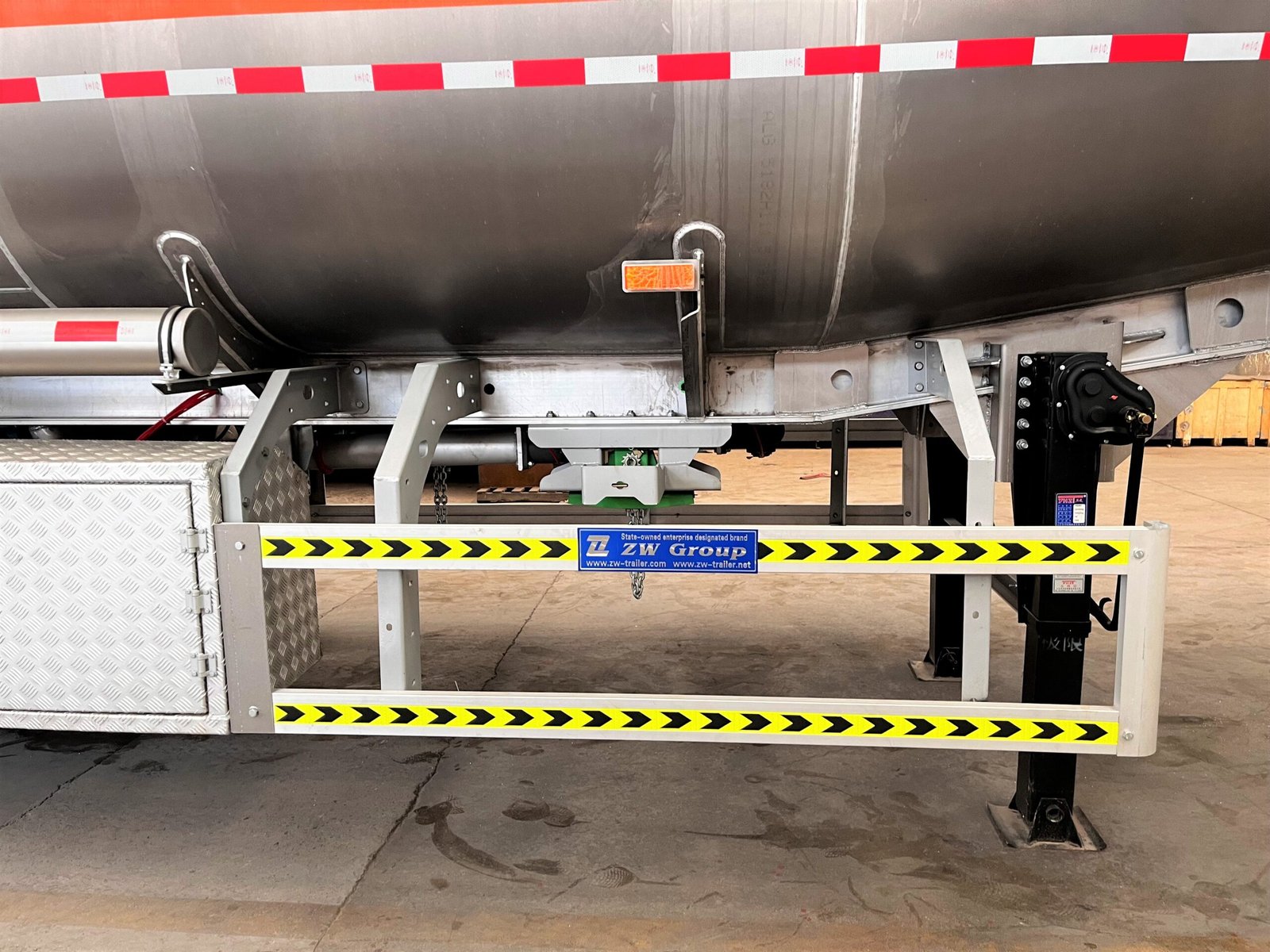
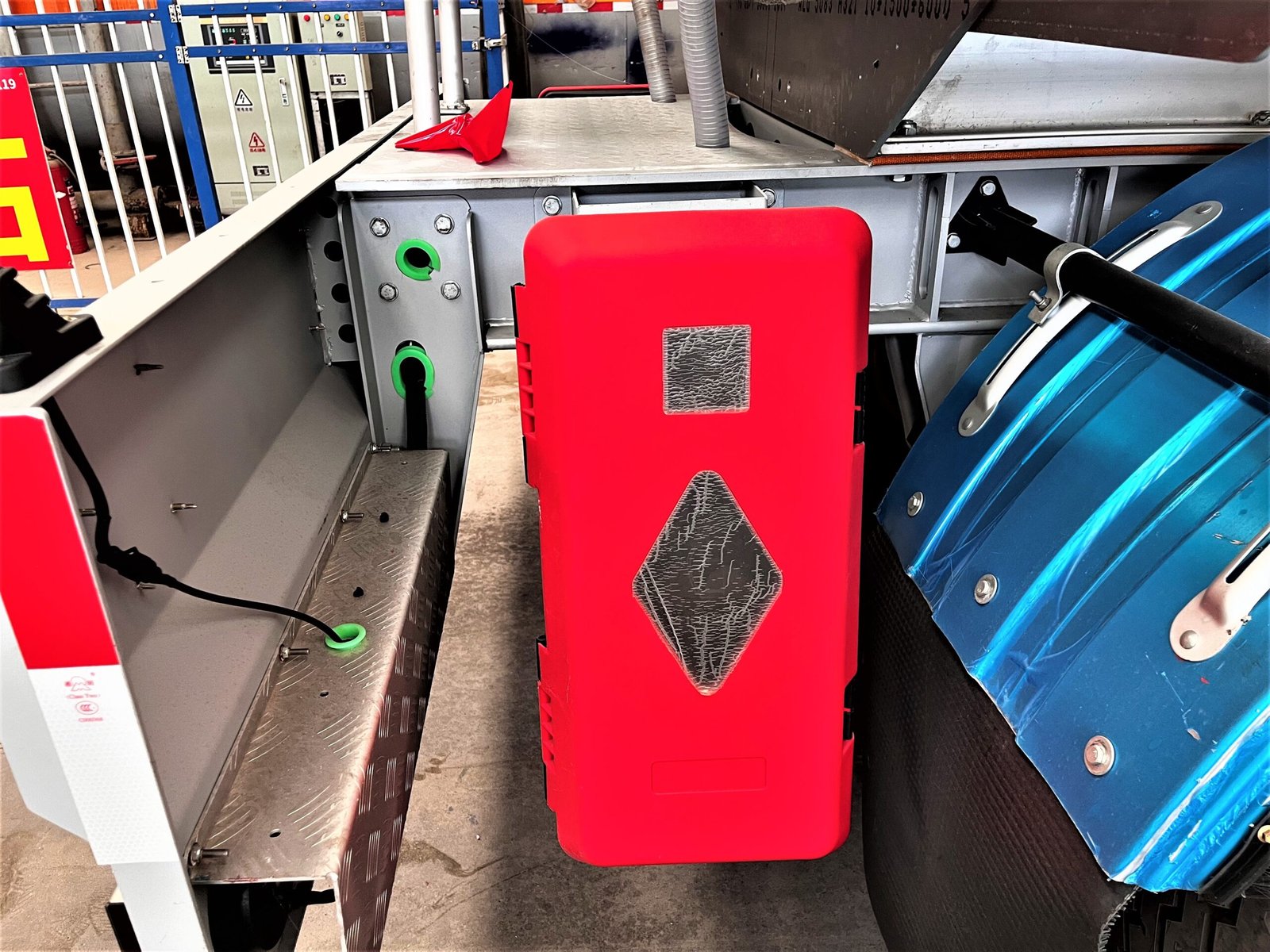
4. Safety and Brake Systems
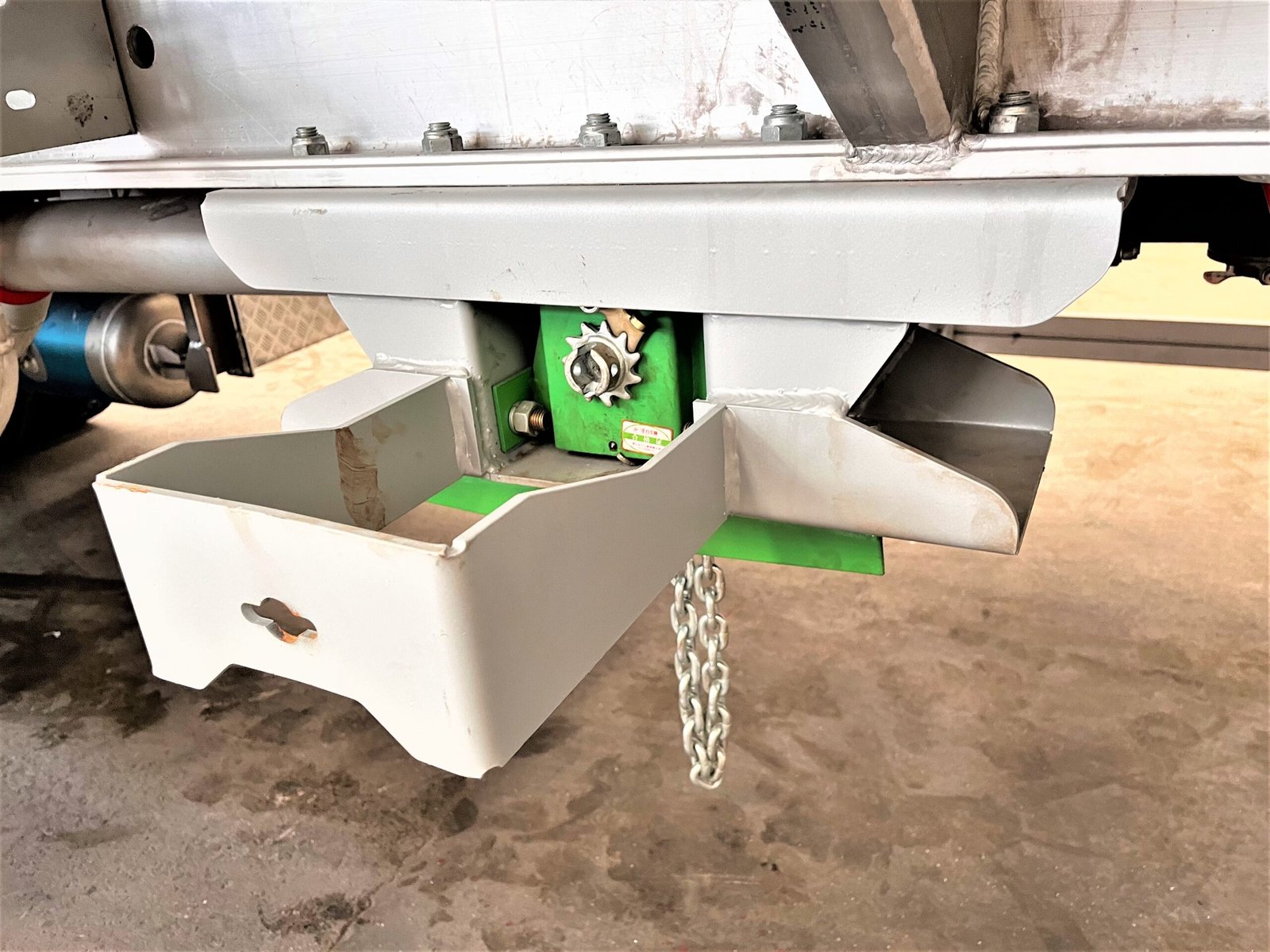
Safety components contribute directly to final cost, including:
ABS or EBS braking systems
Emergency valves
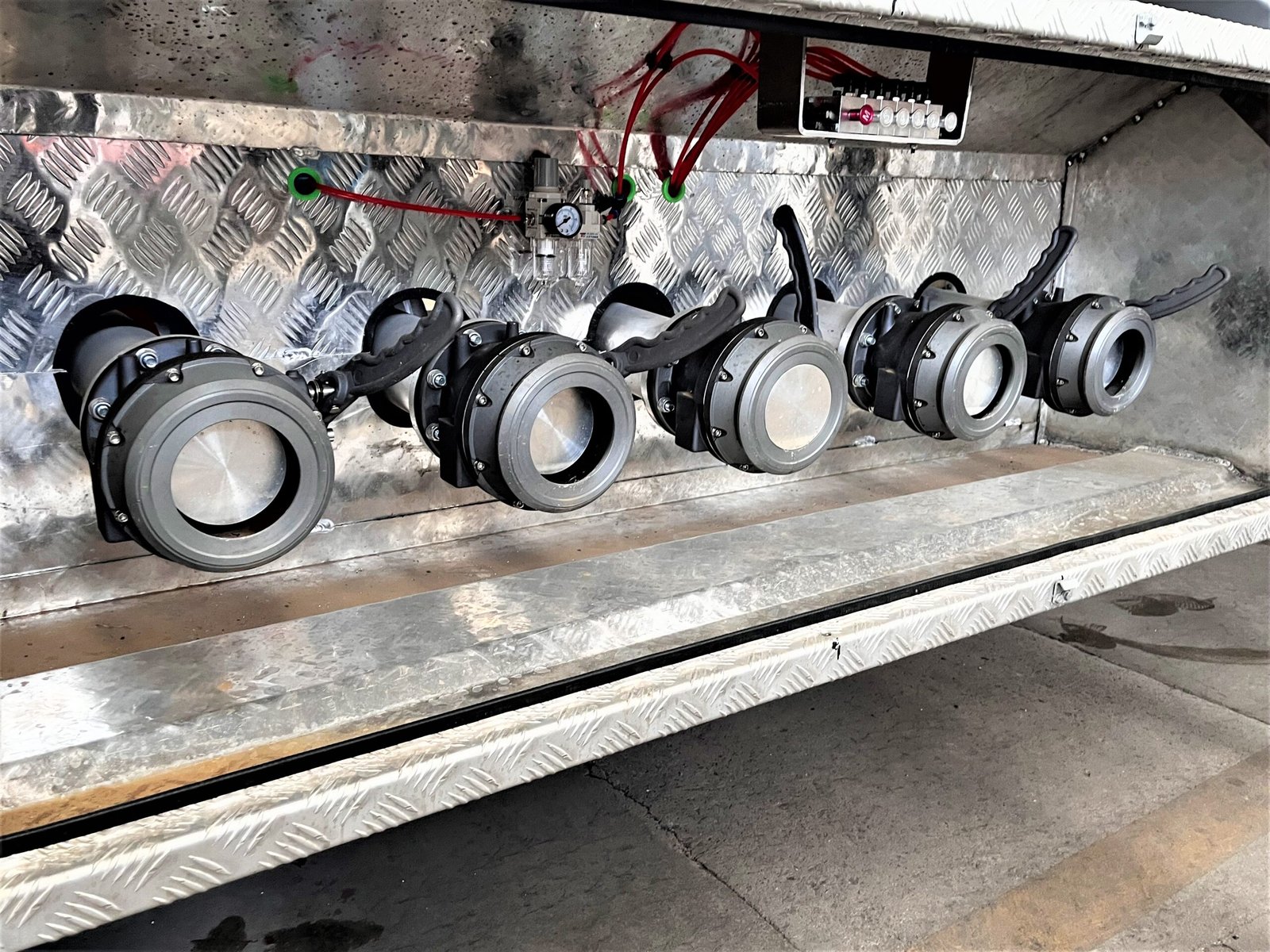
Bottom loading systems
Anti-overflow protection
According to ADR regulations, safety equipment is mandatory for hazardous liquid transport vehicles.
5. Axles, Suspension, and Tires
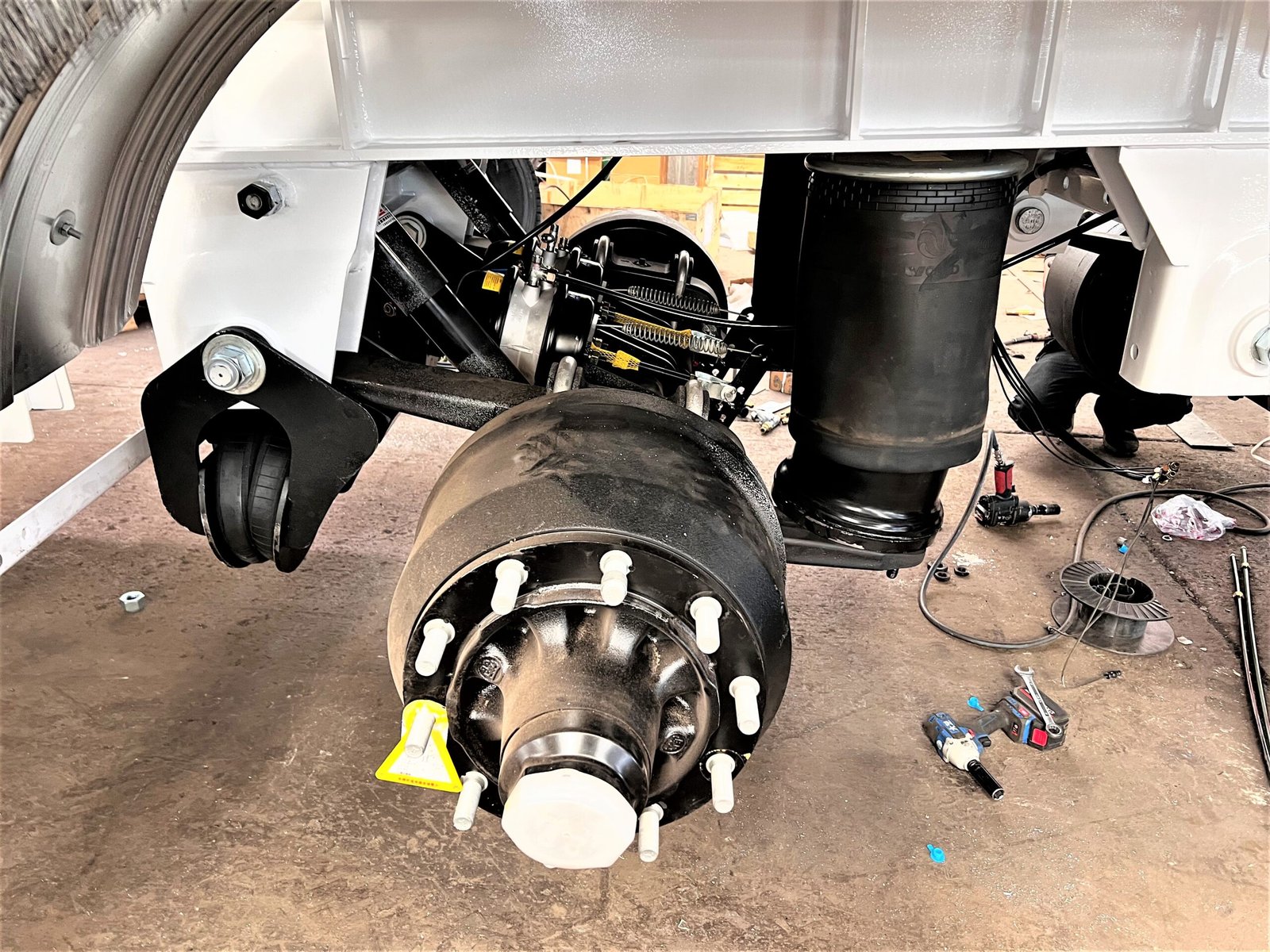
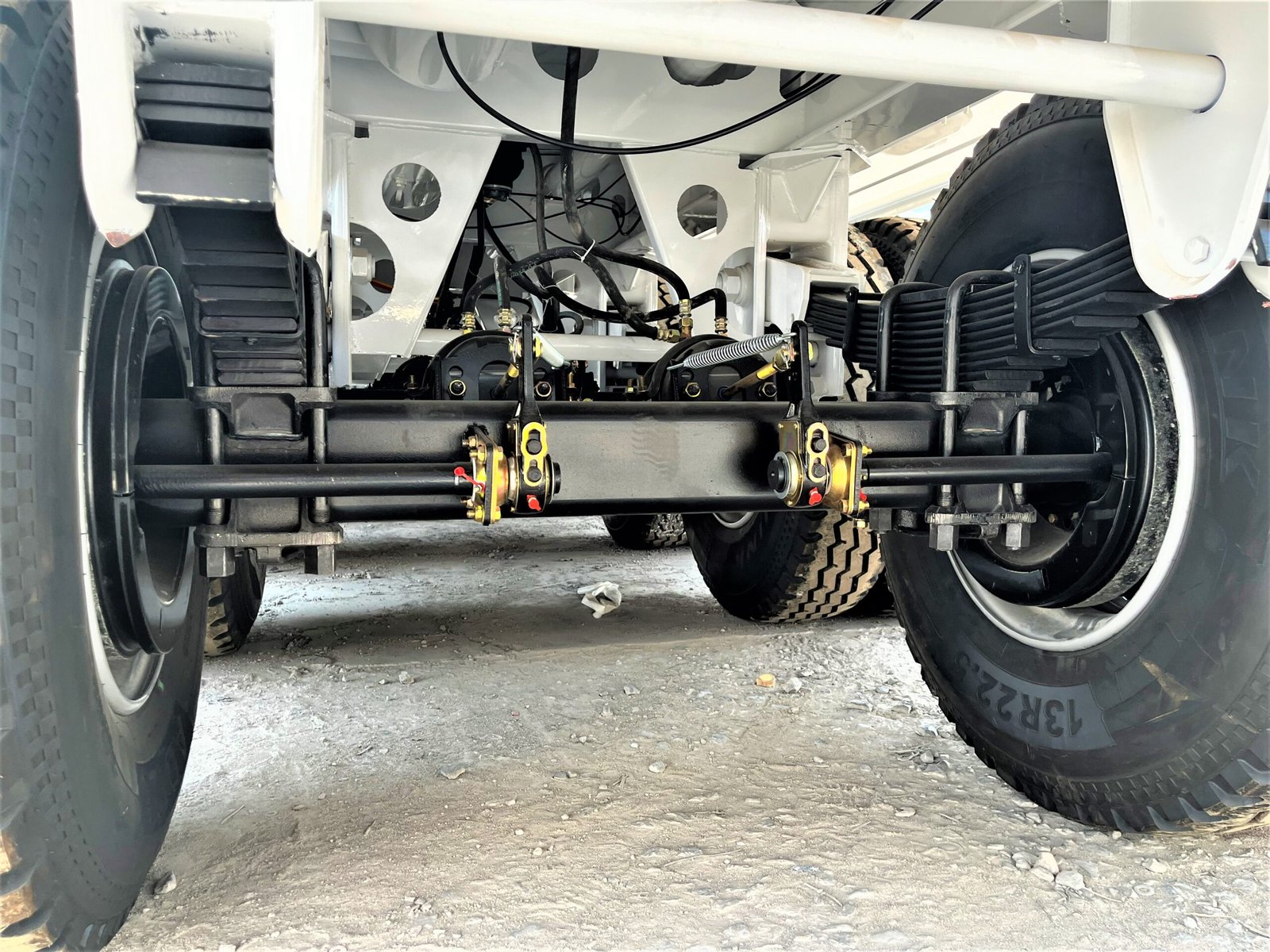
Axle brands, suspension type (mechanical or air suspension), and tire configuration all influence pricing.
Higher-quality components offer better load distribution and longer operating life, especially under rough road conditions.
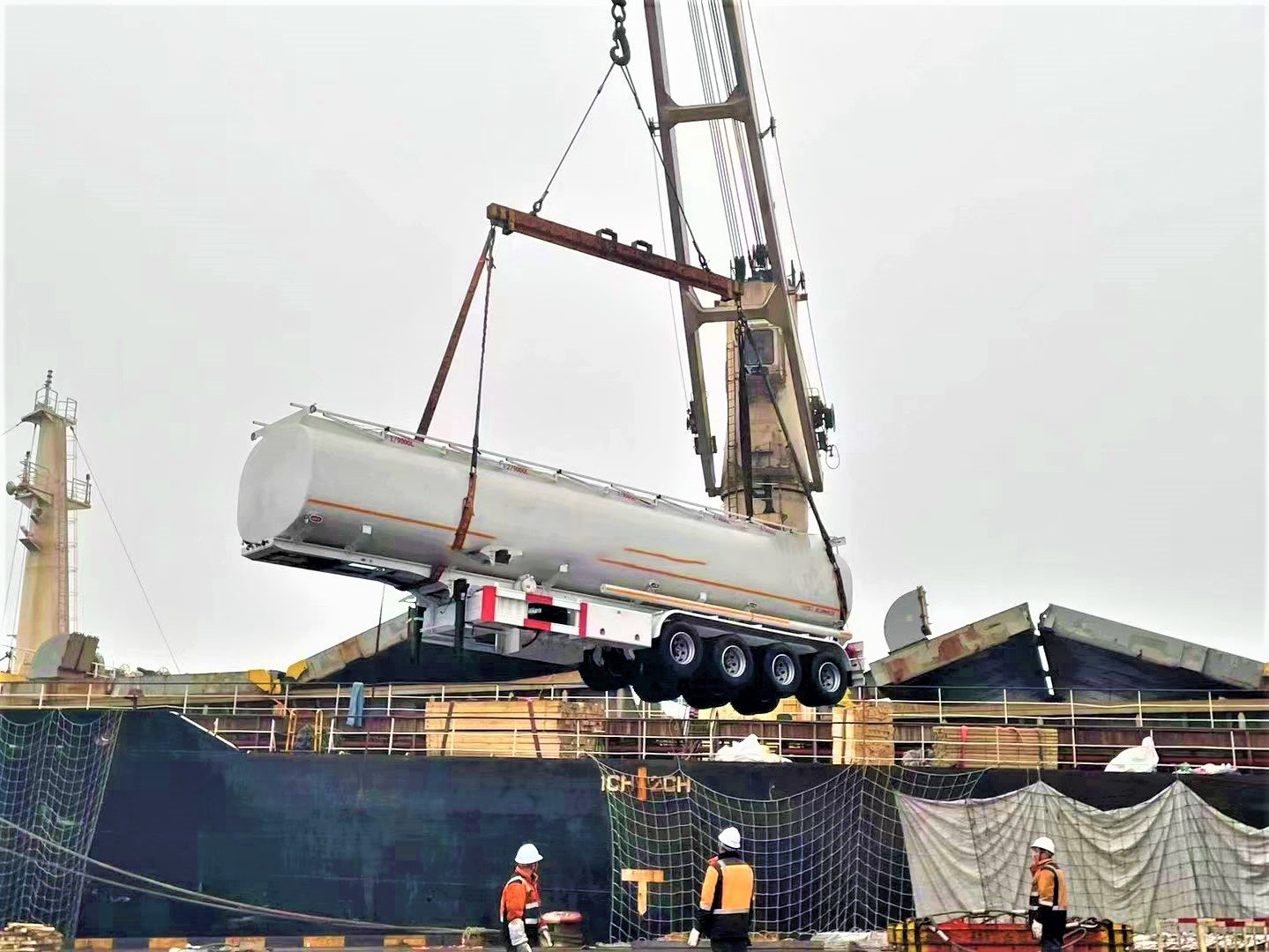
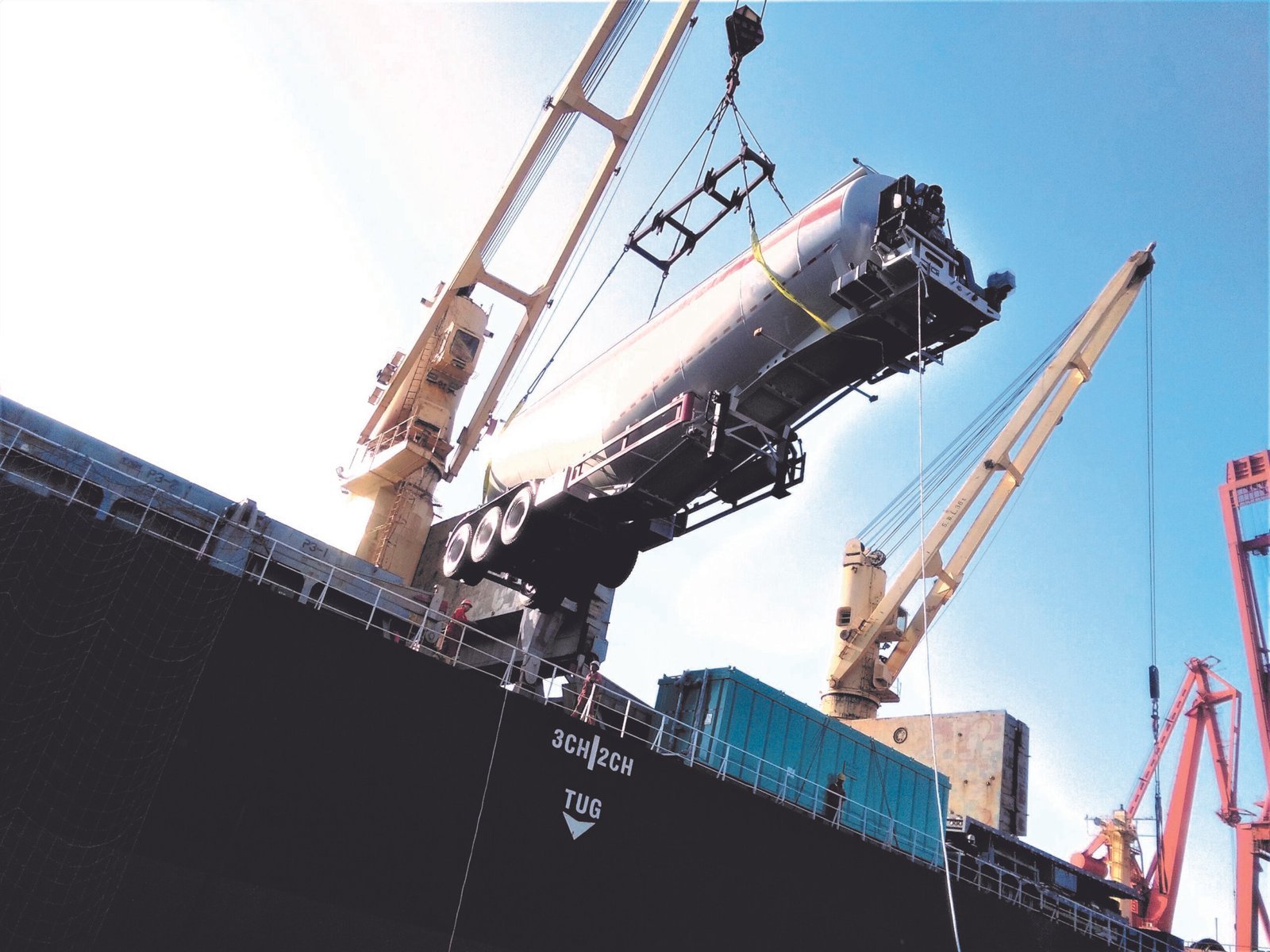
6. Logistics and Export Costs
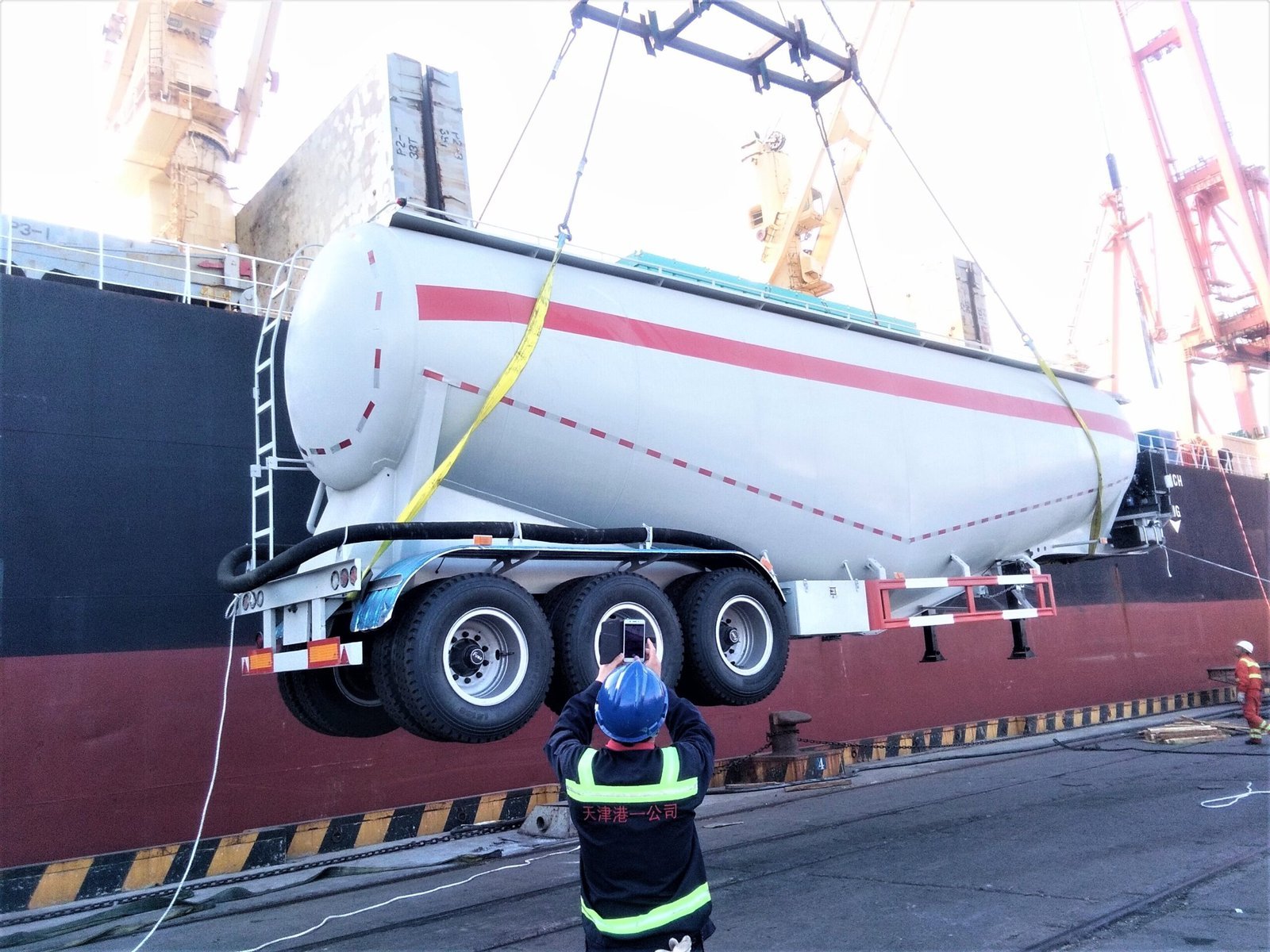
Shipping method, port handling, packaging, and destination country also affect total purchase cost. Buyers should consider CIF or FOB pricing carefully when comparing quotations.

Understanding Real Value
The lowest-priced tanker trailer is not always the most economical option. A well-built trailer with higher initial cost often delivers lower maintenance expenses and longer service life.
To better understand specification selection before purchase, reviewing a complete tanker trailer buyer’s guide is strongly recommended.
Conclusion
Tank trailer pricing is influenced by materials, structure, safety systems, and manufacturing quality. Understanding these cost factors allows buyers to make informed decisions and avoid hidden expenses in future operations.