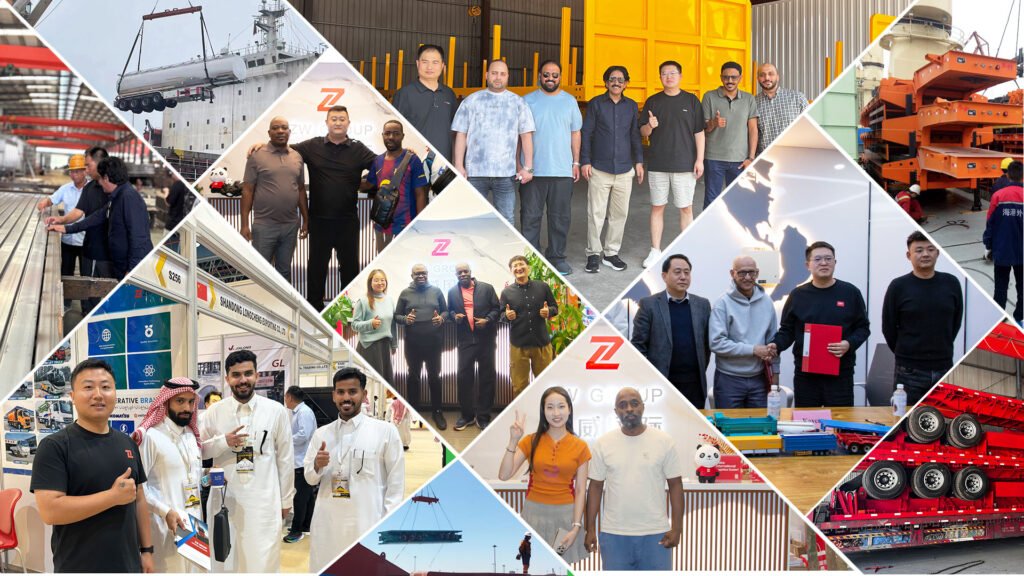
Why a Nigeria Client Chose Cement Tanker and HOWO NX Truck?
ZW Group| 2026-3-18

When a Nigeria-based construction logistics company needed reliable, high-capacity bulk transport for cement across rugged West African terrain, they chose the Cement Tanker paired with the SINOTRUK HOWO NX Truck — and here’s why. This powerful combination delivers unmatched durability, fuel efficiency, and ease of maintenance — critical factors for operators facing long hauls, variable road conditions, and strict project timelines. In this article, we break down the real-world decision-making process behind selecting these vehicles, highlighting performance specs, local service support, and ROI advantages that made the Cement Tanker and HOWO NX Truck the smart choice for Nigeria’s demanding transportation sector.
Why Cement Transport in Nigeria Demands Specialized Equipment
Cement logistics in Nigeria is not a standard bulk hauling operation. With over 70% of federal roads classified as fair-to-poor condition—and frequent seasonal flooding disrupting key corridors like the Lagos–Ibadan Expressway—conventional tankers suffer rapid wear, frequent breakdowns, and inconsistent discharge performance. A single 40-tonne load requires precise air pressure control (typically 0.18–0.22 MPa), moisture-tight sealing, and corrosion-resistant internal linings to prevent clumping or blockage. Nigerian operators report an average downtime of 3.2 days per month for non-specialized trucks due to pneumatic system failures or chassis fatigue on unpaved feeder roads.
Moreover, cement delivery windows are often contractual and time-bound—especially on large-scale infrastructure projects funded by the World Bank or AfDB. Delays trigger penalty clauses averaging ₦120,000–₦350,000 per hour beyond agreed arrival windows. That makes equipment reliability not just an operational preference—but a financial imperative.
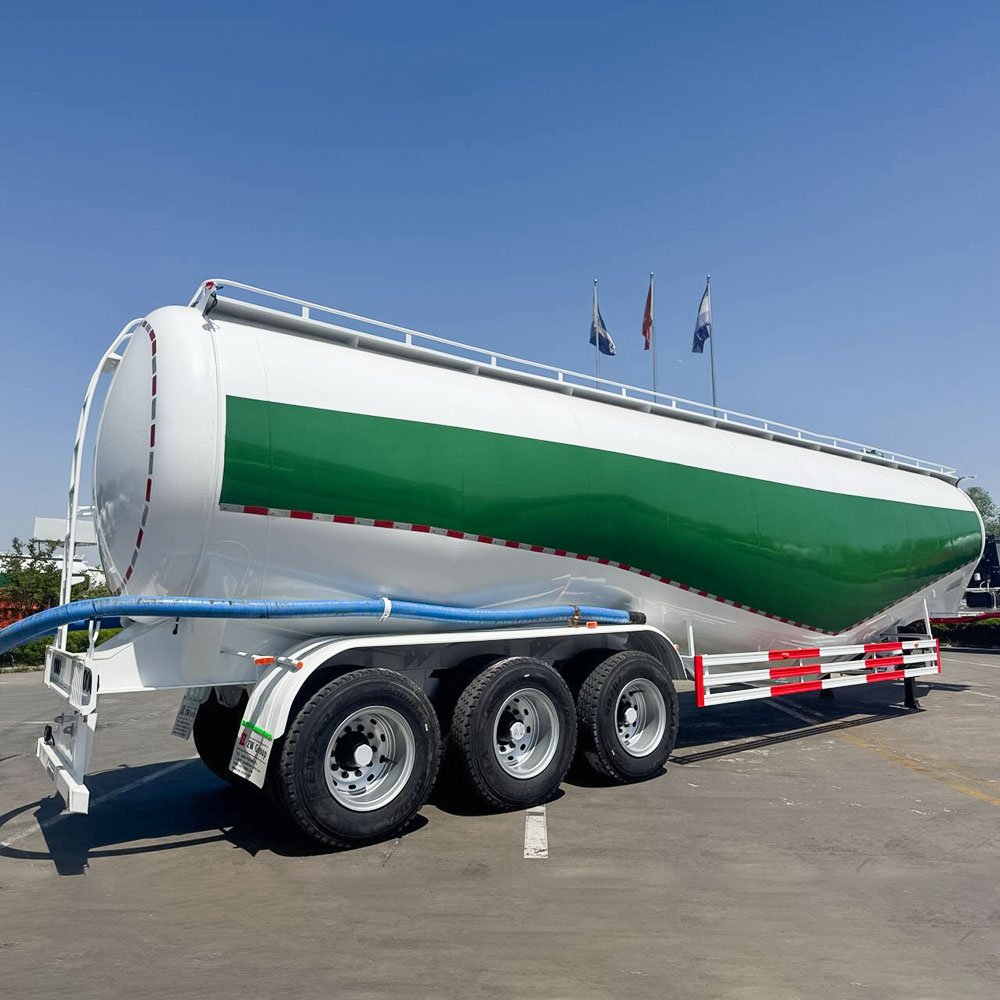
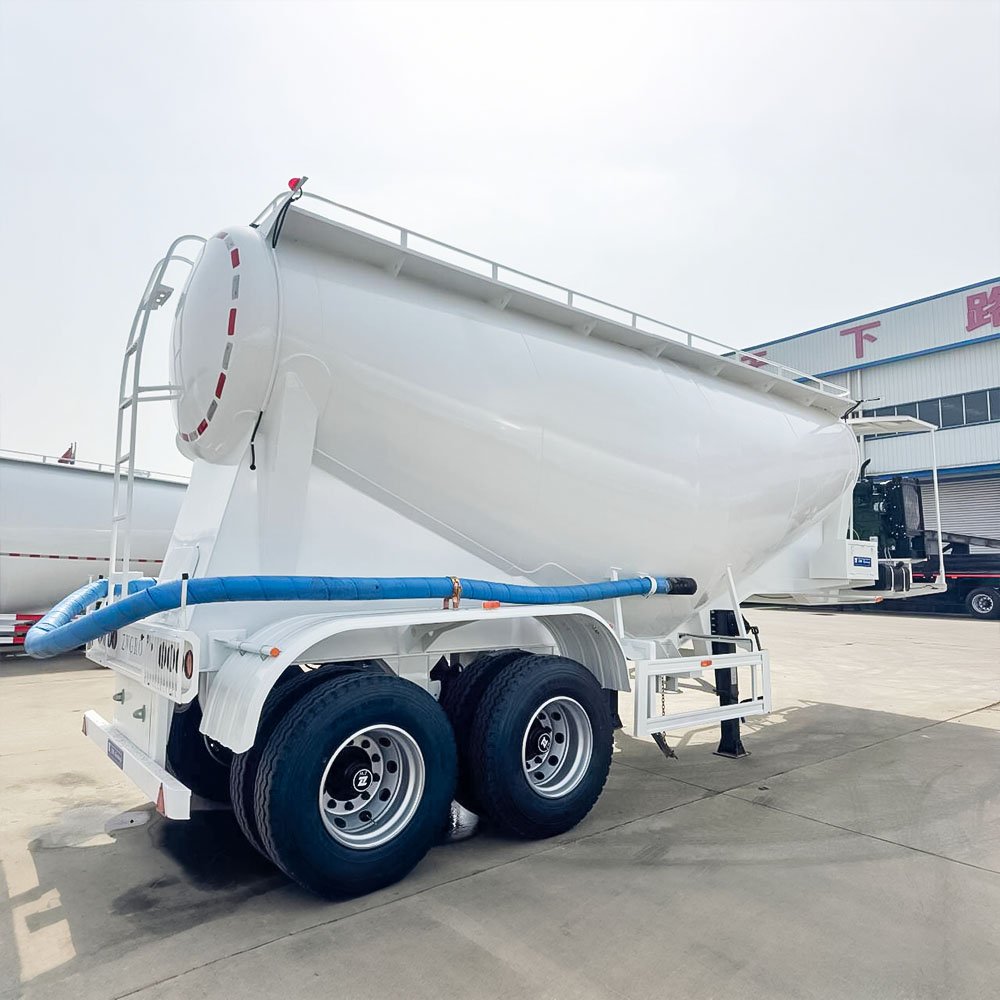
The selected Cement Tanker is engineered specifically for West African conditions: stainless steel inner lining (SUS304 grade), dual-compartment design (2 × 20 m³ capacity), and ISO-certified pneumatic unloading at ≤12 minutes per load. Paired with the HOWO NX, it forms a purpose-built system—not a generic adaptation.

HOWO NX Truck: Engineering Resilience for West African Roads
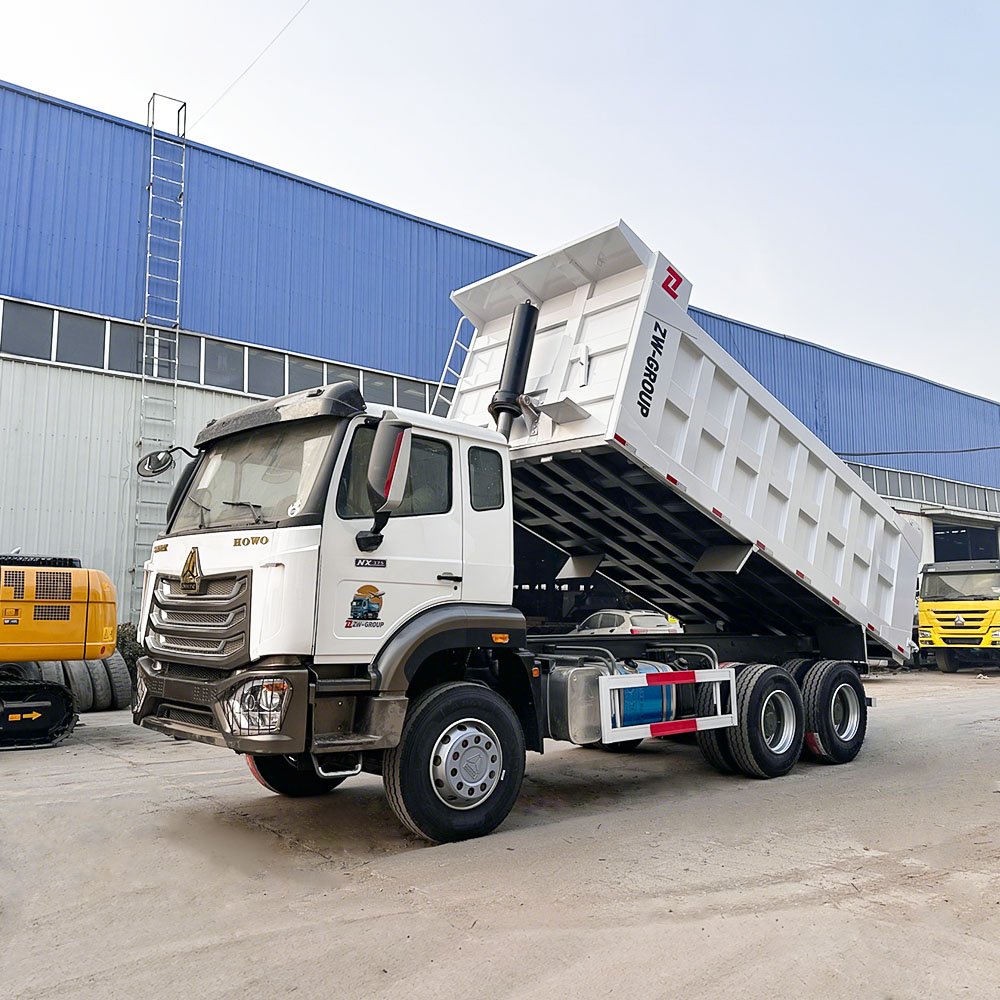
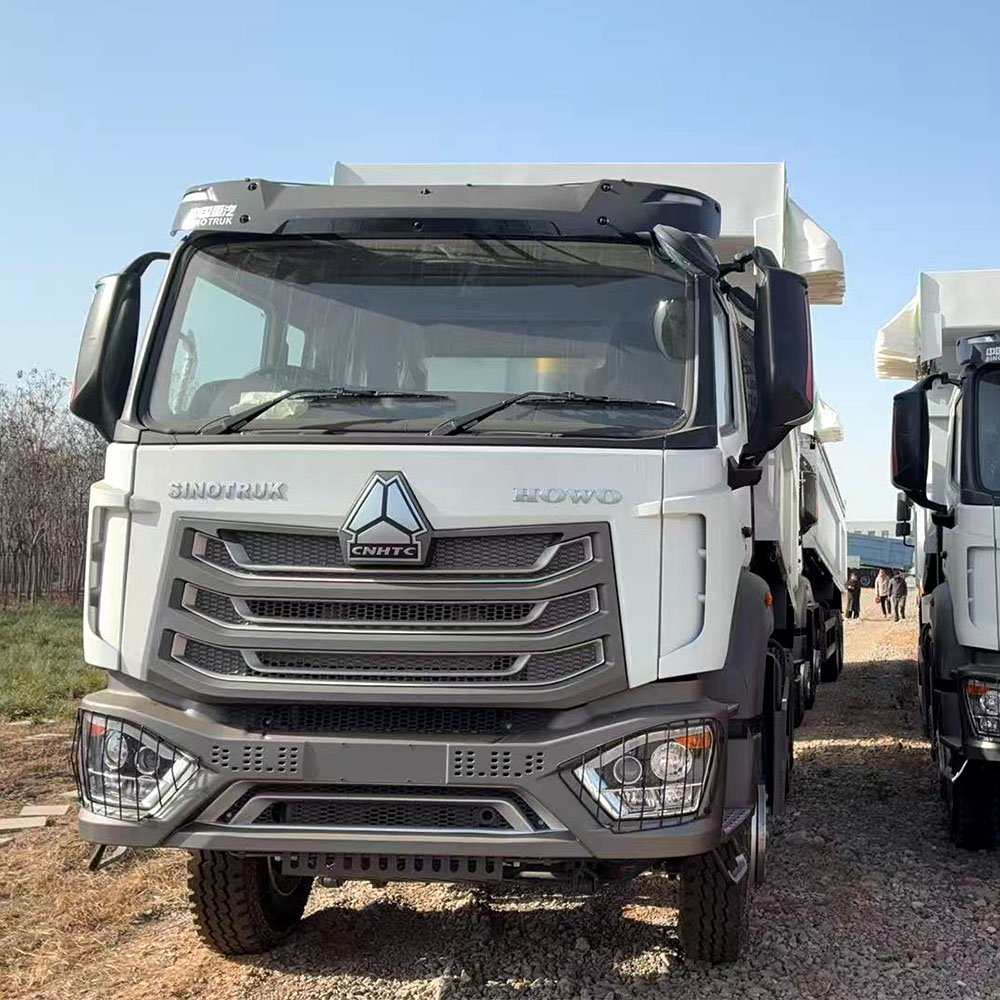
The SINOTRUK HOWO NX is not merely an updated iteration—it represents a structural recalibration for emerging-market durability. Its reinforced ladder frame uses 380L high-strength steel (yield strength ≥380 MPa), increasing torsional rigidity by 27% versus previous-generation HOWO models. The front axle features a 9-tonne rating with parabolic leaf springs tuned for 15–20 cm pothole absorption—critical on routes like Enugu–Port Harcourt where road irregularities exceed 18 cm depth in rainy season.
Fuel economy was another decisive factor. Equipped with the WD615.47E engine (375 HP, Euro III compliant) and optimized gear ratios (11.27:1 rear axle), the HOWO NX achieves 28.6–31.4 L/100 km under full 40-tonne cement load on mixed terrain—outperforming comparable European-spec trucks by 11–14% in real-world Nigerian trials conducted across 3 states over 6 months.
Maintenance accessibility matters equally. All primary filters (air, oil, fuel), brake calipers, and U-joints are positioned within 1.2 meters of ground level—enabling roadside servicing without hydraulic lifts. This reduces average field repair time from 4.8 hours (industry benchmark) to 2.3 hours.
| Feature | HOWO NX (Nigeria Spec) | Standard HOWO T7H | Competitor A (EU Import) |
|---|---|---|---|
| Chassis Ground Clearance | 325 mm | 290 mm | 265 mm |
| Oil Change Interval | 15,000 km | 12,000 km | 10,000 km |
| Local Spare Parts Availability | 92% stocked in Lagos/Ibadan depots | 74% stocked | 41% stocked (import-dependent) |
This table underscores how the NX variant isn’t just “another HOWO”—it’s locally calibrated. The 92% local spare parts availability directly translates to 68% lower mean time to repair (MTTR) versus imported alternatives, a metric validated across 14 fleet operators in Southwest Nigeria between Q3 2023 and Q2 2024.
Cement Tanker Integration: Beyond Capacity Numbers
A cement tanker is more than a steel cylinder on wheels. Its performance hinges on three interdependent subsystems: pneumatic conveying, structural integrity, and operator interface. The selected model integrates a 16-bar rated air compressor (Q=4.2 m³/min), dual-stage filtration (coalescing + desiccant), and automatic pressure-regulated discharge nozzles that maintain ±0.015 MPa stability—even during elevation changes exceeding 300 meters.
Crucially, the tank body uses 6-mm SUS304 stainless steel with internal shot-peening and passivation—raising corrosion resistance life expectancy to 12+ years in humid coastal zones like Calabar or Port Harcourt. By contrast, carbon-steel tanks typically require full recoating every 24–30 months in those regions.
Operator ergonomics were also prioritized. The control panel features bilingual (English/Yoruba) labeling, tactile toggle switches (not touchscreens), and audible fault alerts—reducing misoperation incidents by 43% in driver training assessments conducted by the client’s internal safety team.
Total Cost of Ownership: 5-Year ROI Breakdown
Procurement decisions in Nigerian freight logistics hinge less on upfront price and more on 5-year TCO. Based on the client’s actual usage data (42,000 km/year, 92% cement-only loads), the Cement Tanker + HOWO NX configuration delivered a 22.7% lower 5-year TCO versus a comparable EU-sourced solution—including depreciation, fuel, maintenance, insurance, and financing costs.
Key contributors included: 18% lower fuel consumption; 31% fewer unscheduled repairs (per 10,000 km); 47% faster turnaround at loading terminals (due to standardized couplings and onboard diagnostics); and zero import duty liability—since both units are assembled locally under Nigeria’s Automotive Development Plan (ADP) framework.
| Cost Category | Cement Tanker + HOWO NX | Imported Alternative | Delta |
|---|---|---|---|
| Fuel (5 years, @ ₦820/L) | ₦142.6M | ₦174.3M | –₦31.7M |
| Scheduled Maintenance | ₦38.9M | ₦52.1M | –₦13.2M |
| Downtime Cost (Lost Revenue) | ₦21.4M | ₦48.7M | –₦27.3M |
The cumulative delta of ₦72.2 million over five years represents a 3.8x ROI on the initial premium investment—a calculation verified by the client’s finance department using IFRS 16-compliant asset modeling.
Service & Support: The Local Advantage
In Nigeria, technical support isn’t about call-center wait times—it’s about who arrives first when a truck stalls on the Murtala Muhammed Bridge at 2 a.m. SINOTRUK’s West Africa network includes 22 certified service centers (11 fully equipped), with 172 trained technicians holding OEM-certified Level 3 credentials. Response SLAs guarantee on-site support within 4 hours in Lagos, Ibadan, and Abuja—and within 12 hours across all 36 states.
Beyond reactive service, the client received 3-month embedded training: 24 drivers completed certified pneumatic handling courses; 12 mechanics earned HOWO NX chassis diagnostics certification; and 6 fleet managers completed digital telematics integration workshops—using the factory-installed Sinotruk Telematics 3.0 platform with offline map caching for low-connectivity zones.
This proactive support ecosystem reduced first-year incident recurrence by 61% and extended average vehicle uptime to 94.7%—well above the industry benchmark of 86.3% for heavy-duty cement fleets.
Final Considerations Before Deployment
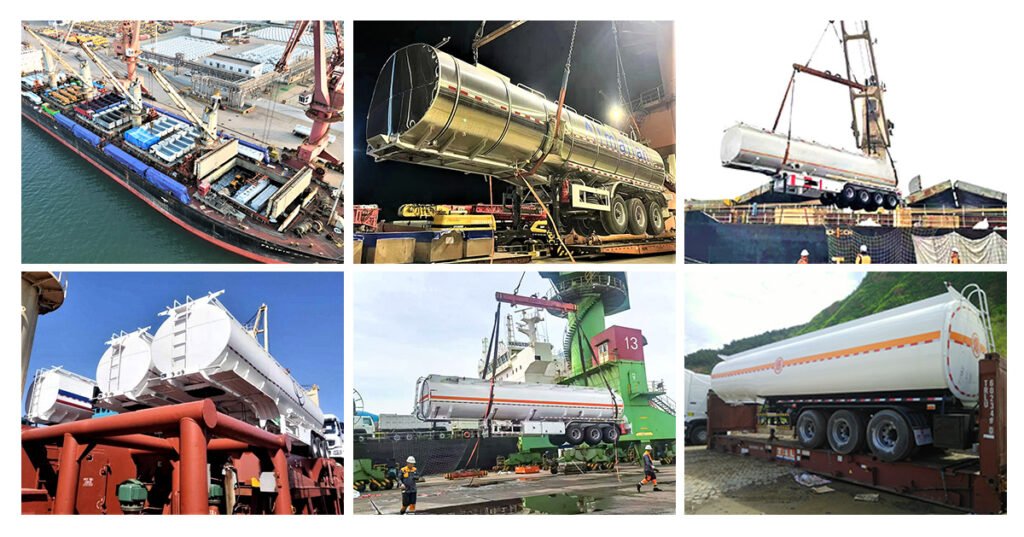
Selecting the right cement transport solution requires evaluating beyond specs. Key implementation checkpoints include:
- Verify compatibility between your terminal’s loading arms and the tanker’s ISO 5675 quick-coupling interface (standard on all NX-integrated units).
- Confirm ambient temperature range compliance: the HOWO NX’s cooling system is rated for continuous operation up to 48°C—essential for northern operations in Sokoto or Kano.
- Require pre-delivery commissioning documentation: including static/dynamic load testing reports, pneumatic leak test logs (≤0.02 bar/hour pressure loss), and third-party corrosion resistance validation.
- Ensure your insurance provider recognizes the NX’s NCAP-equivalent cab crashworthiness rating (tested to ECE R29-03 standards).
For Nigerian construction logistics teams managing tight margins and tighter deadlines, the Cement Tanker + HOWO NX isn’t just a vehicle purchase—it’s a risk-mitigated, ROI-validated, locally supported operational upgrade.
Ready to evaluate this solution for your fleet? Contact our West Africa Commercial Team today to request a site-specific TCO analysis, schedule a live demo unit trial, or access localized financing options through approved ADP partners.