
How Durable Is a Carbon Steel Fuel Tank Trailer?
ZW Group| 2026-7-21
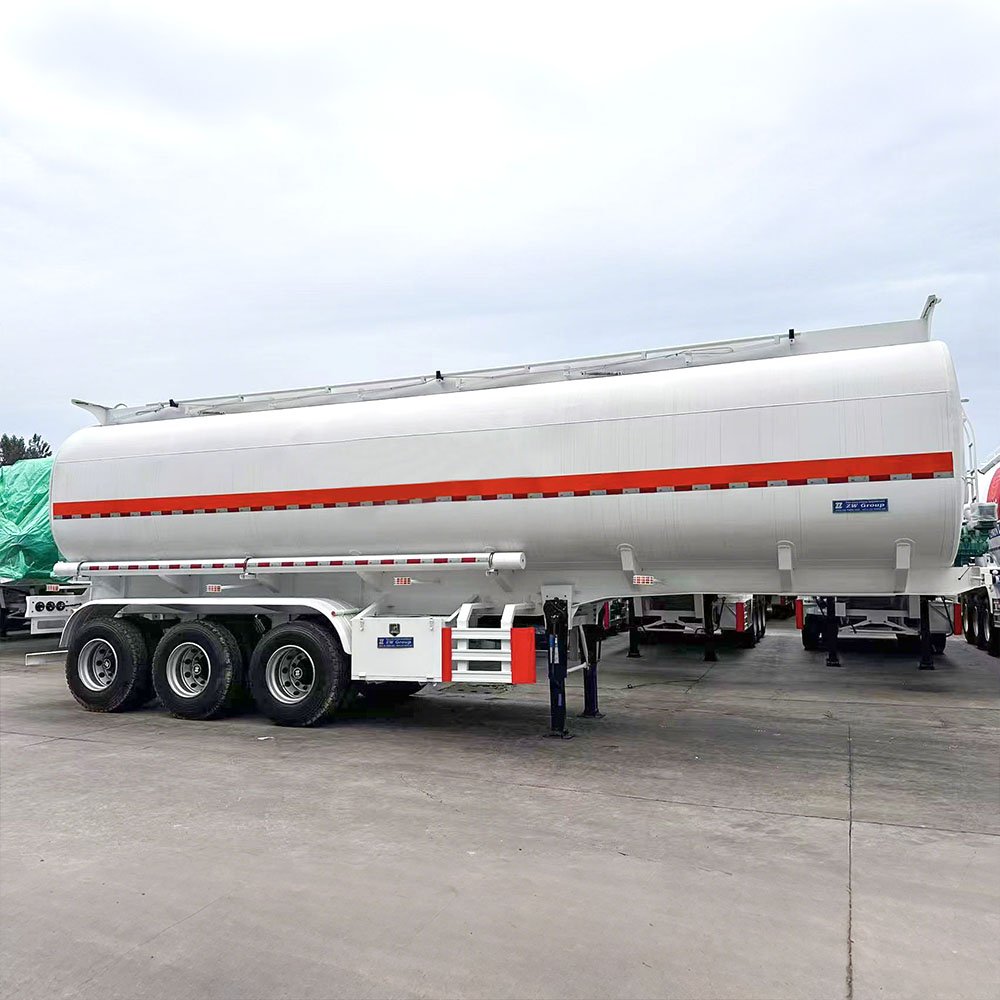
How Durable Is a Carbon Steel Semi Trailer Fuel Tank in Daily Use?
When people ask about carbon steel semi trailer fuel tank durability, they are usually not asking an abstract materials question. They want to know something more practical: will the tank still be dependable after years of highway vibration, rough loading yards, seasonal weather, and repeated filling and discharge cycles? That is where carbon steel needs to be judged honestly. It is not the lightest option, and it is not maintenance-free. But in the right operating context, it remains a very durable and economically sensible tank material.
A carbon steel fuel tank on a semi trailer lives a hard life. It deals with torsional stress from uneven roads, stone impact from tires, moisture around weld zones, and constant movement of liquid cargo inside the shell. Daily use does not usually destroy a tank in one dramatic event. More often, durability is won or lost through fatigue resistance, corrosion control, fabrication quality, and maintenance discipline. That distinction matters because buyers sometimes focus too much on the material name and not enough on how the tank is actually built and used.
Carbon steel holds up well, but only on realistic terms
In transport equipment, carbon steel has long been used because it offers a useful balance of strength, weldability, availability, and cost. For semi trailer fuel tanks, that balance is still relevant. A properly designed carbon steel tank can handle the structural demands of daily logistics work very well, especially in fleets where payload optimization is important but not the only decision driver.
The strength side of the equation is usually not the weak point. Carbon steel is capable of withstanding repeated mechanical loads when shell thickness, reinforcement layout, baffle design, and welding quality are appropriate for the tank volume and duty cycle. In plain terms, if a trailer regularly runs mixed road conditions, enters uneven depots, and goes through frequent loading and unloading, a well-made carbon steel tank is generally robust enough for that environment.
Where carbon steel asks more from the operator is corrosion management. That is the trade-off. Steel does not forgive neglected coatings, trapped moisture, or damaged paint systems the way some buyers assume it will. So the real answer to durability is not simply “yes” or “no.” It is “yes, if the tank is built correctly and kept on a sensible inspection schedule.”

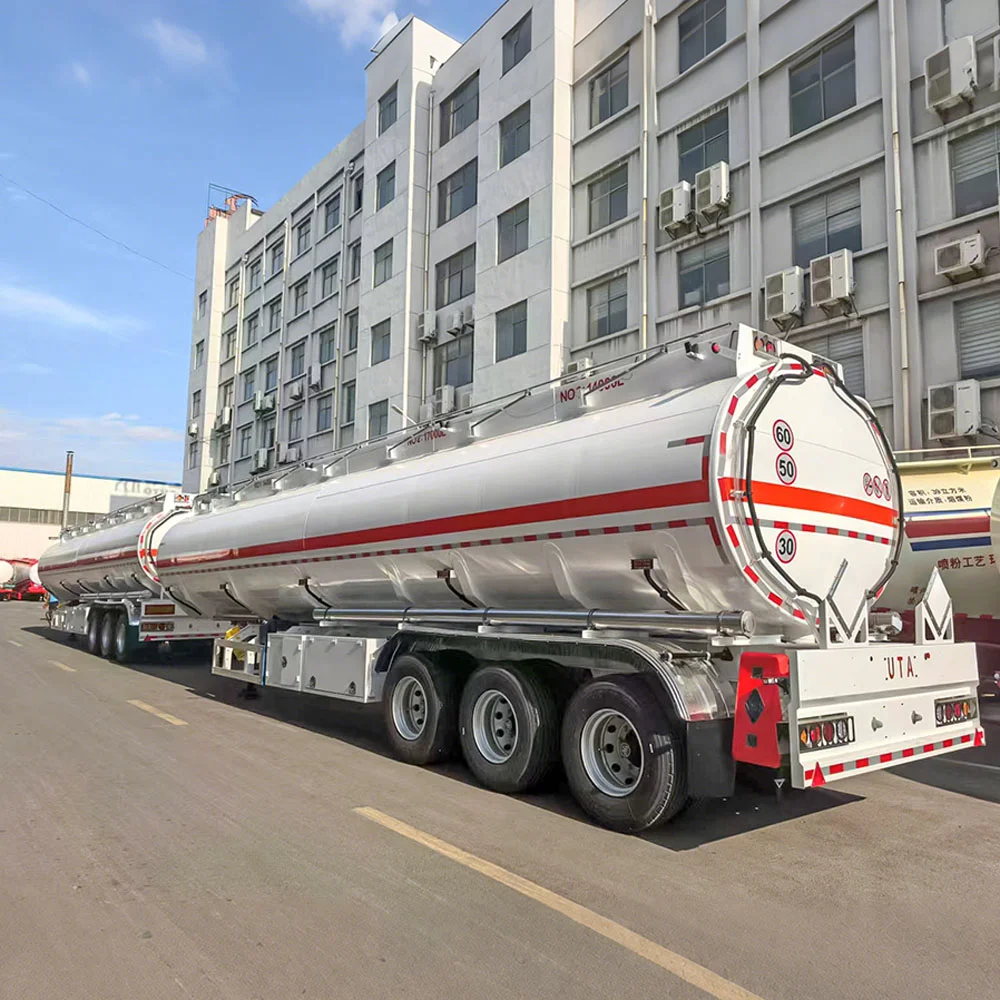
What daily use actually does to a semi trailer fuel tank
On paper, a fuel tank just carries liquid. On the road, it is dealing with several stress sources at once.
The first is vibration and flex. Long-haul trailers see continuous low-level vibration, and local distribution units may face even harsher stop-start cycles, curb contact, and poor yard surfaces. Over time, this type of loading tends to show up around brackets, supports, manholes, nozzles, and weld transitions. If the design allows stress concentration in those areas, the tank may develop fatigue-related issues long before the base material itself becomes the problem.
The second is internal surge. Liquid cargo moves, especially when braking, turning, or traveling partially filled. Baffles reduce that motion, but they also introduce internal welded structures that must be properly fabricated. A tank that looks fine externally may still have durability weaknesses if the internal anti-surge arrangement is not well executed.
Then there is the environment: rainwater, road salt in some regions, heat, mud accumulation, and occasional fuel residue around fittings. External corrosion often begins in very ordinary places such as under support straps, around drain points, or where coating damage was left unrepaired after minor impact. In daily fleet work, these are far more common failure origins than sudden shell rupture.
Durability comparison: carbon steel versus aluminum and stainless steel
Carbon steel is often compared with aluminum when trailer tank buyers are weighing cost against weight savings. Stainless steel may enter the conversation too, though more selectively depending on cargo and budget.
| Material | Daily-use durability profile | Typical trade-off |
|---|---|---|
| Carbon steel | Strong, repairable, well suited to demanding road use if corrosion is controlled | Heavier and more dependent on coating and maintenance |
| Aluminum | Good corrosion behavior and lower weight, but structural design and repair practices matter greatly | Higher material cost and different fatigue considerations |
| Stainless steel | Strong corrosion resistance in suitable applications, often chosen where chemical compatibility matters | Higher upfront cost and not always necessary for standard fuel transport |
For normal fuel transport work, carbon steel is usually chosen not because it beats every other material in every category, but because it performs reliably at a reasonable total equipment cost. If the operating route is rough, repair access is important, and buyers want a tank that can tolerate practical field use without paying a premium for lighter alloys, carbon steel stays competitive.
That said, if corrosion exposure is severe or payload efficiency is the top priority, the comparison changes. A fleet running in coastal zones, winter road salt conditions, or highly weight-sensitive operations may justify aluminum or another option. Material choice is less about declaring a universal winner and more about matching the trailer to the service pattern.
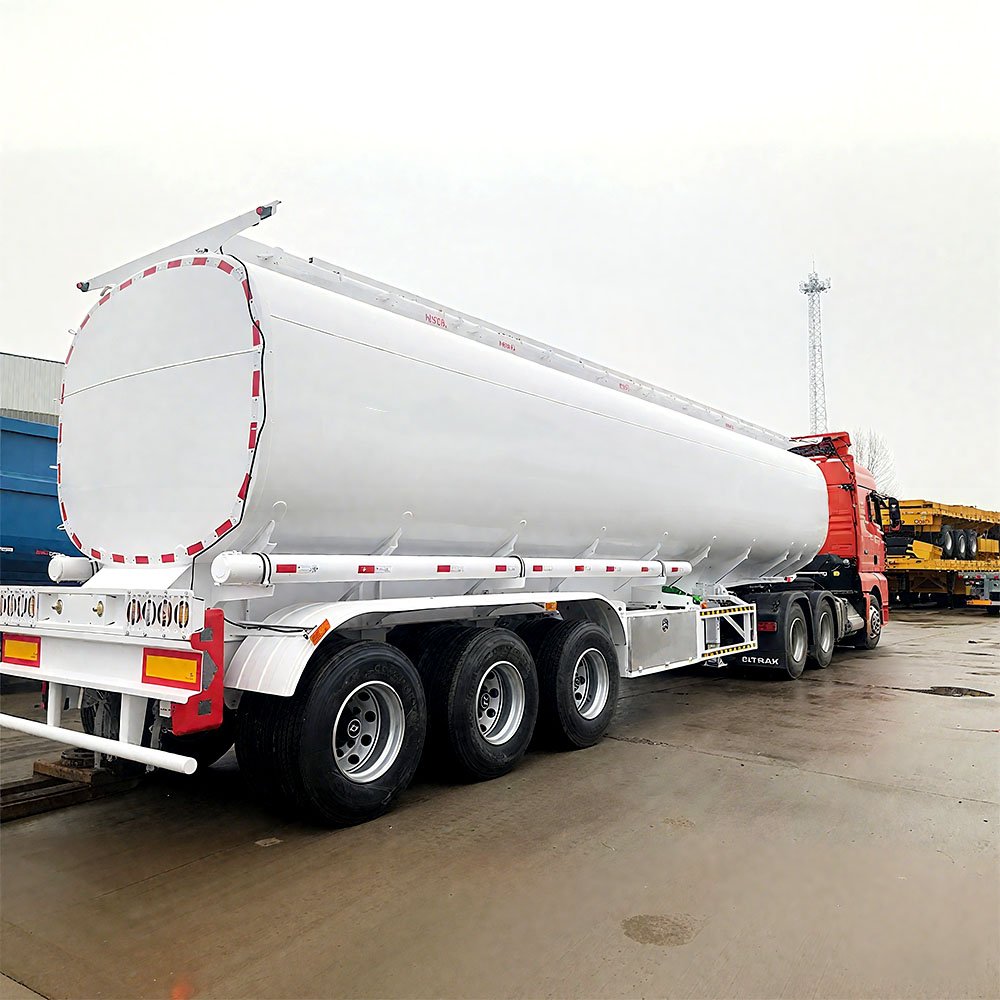
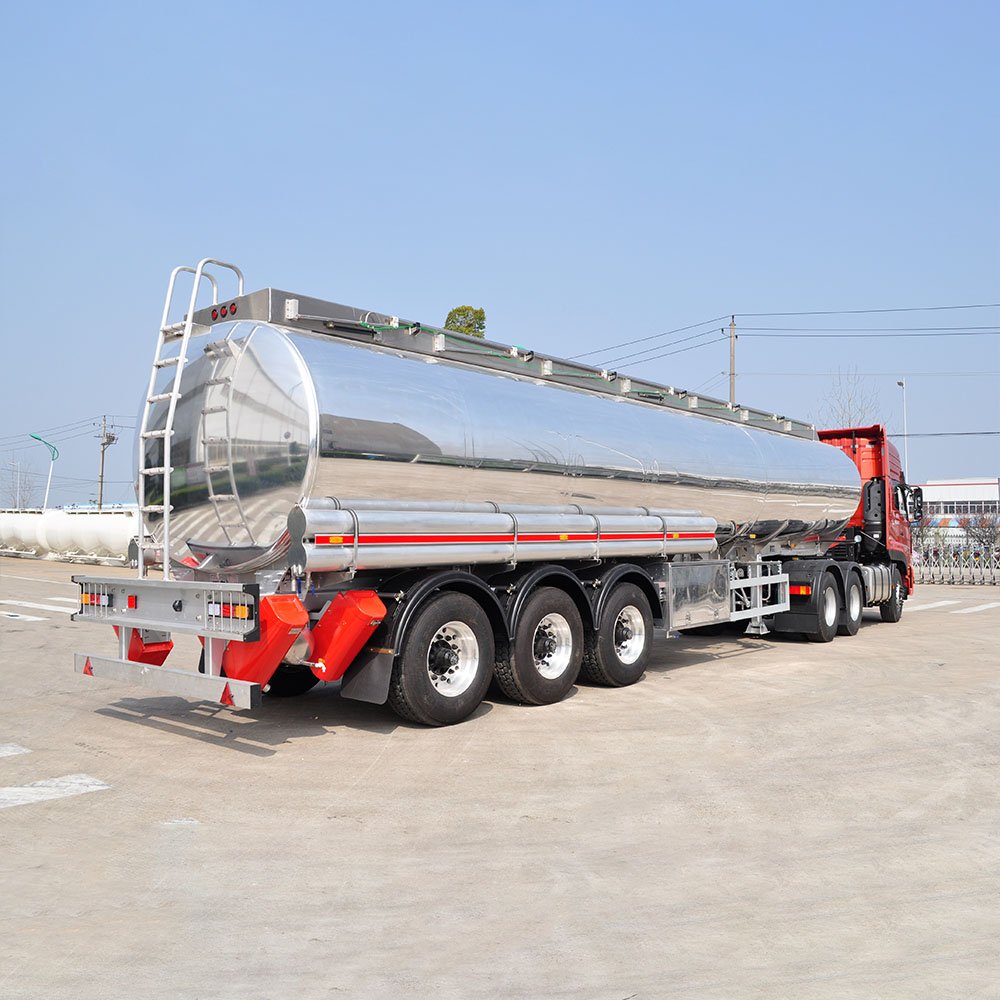
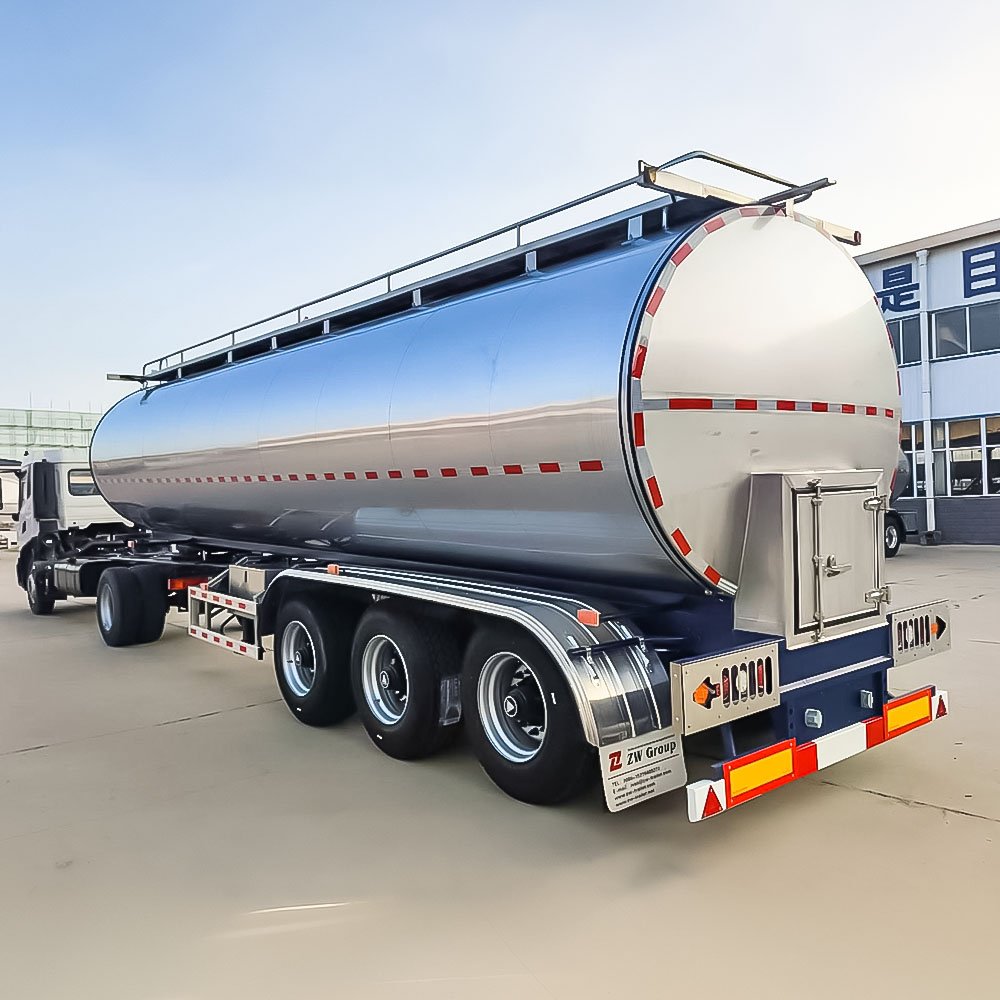
Build quality matters more than many buyers expect
Two carbon steel tanks can look similar in a sales drawing and behave very differently after a few years on the road. The gap usually comes from details.
Weld execution is one of those details. Semi trailer tanks contain many welded connections, and those connections live under cyclic stress. Poor weld profile, inconsistent penetration, abrupt geometry changes, or weak finishing around attachments can shorten service life. The issue is not unique to steel, but carbon steel tanks are often selected for cost-conscious fleets, and that can tempt some buyers to underweight manufacturing quality during procurement.
Support structure is another quiet factor. The tank shell does not work alone; mounts, saddles, brackets, and frame integration determine how road loads are distributed. A durable tank on a poorly managed support system can still crack around interfaces. Experienced fleet buyers often ask less glamorous questions here: how are the supports arranged, how is stress spread, how easy is drainage around the mounting points, and how accessible are inspection areas after installation?
Coating preparation also deserves attention. In daily transport conditions, paint failure usually starts where surface preparation was weak, edges were not protected properly, or post-fabrication handling damaged the finish before the trailer even entered service. Once coating breaks down, durability becomes a race between inspection frequency and corrosion progression.
Where carbon steel tanks usually age first
A tank rarely deteriorates uniformly. In practice, certain areas deserve closer watch:
- Lower shell zones exposed to stone impact and standing moisture
- Welded nozzles, manways, and outlet connections
- Support and strap contact points where water or dirt can be trapped
- Rear sections exposed to splash, vibration, and yard contact
- Any repaired area where coating continuity was not restored well
These are not signs that carbon steel is unsuitable. They are the normal map of where attention should go. Fleets that understand this usually get more predictable service life out of their tanks than operators who assume “heavy steel” means the unit can be ignored for years.
Maintenance is what turns decent durability into long service life
If you strip away marketing language, daily-use durability comes down to whether the tank can stay structurally sound between inspections and whether emerging problems are easy to catch before they become expensive. Carbon steel does fairly well on both points, provided the maintenance culture is realistic.
Routine cleaning matters because dirt and residue hide coating damage. Visual checks matter because corrosion often announces itself early. Touch-up work matters because a small coating defect is much cheaper to deal with than section loss around a stressed bracket or fitting. None of this is dramatic, but it is exactly how durable equipment stays durable.
For operators, the practical question is not whether inspections are needed, but how easy the tank is to inspect and maintain. A design that leaves critical areas inaccessible may be strong on day one and annoying for the rest of its life. Ease of maintenance is part of durability, even if it is rarely advertised that way.
When carbon steel is the better choice—and when it is not
Carbon steel is often the better choice for fleets that prioritize rugged service, straightforward repairability, and manageable acquisition cost. It makes sense where operating conditions are demanding but not unusually corrosive, and where operators are willing to keep up with normal protective maintenance. In those settings, carbon steel semi trailer fuel tank durability is usually good enough to support long working life without forcing a premium material decision.
It may be a less attractive option where tare weight has a direct and constant impact on profitability, or where the local environment accelerates corrosion aggressively. Coastal humidity, de-icing salt exposure, neglected wash routines, and long idle storage outdoors can all change the economics. A cheaper tank that deteriorates faster in a harsh environment is not really cheaper.
There is also the cargo side to consider. Compatibility requirements, cleaning frequency, and any applicable transport standard should be checked against the exact fuel type and route conditions. Those decisions usually need confirmation from project specifications, local rules, and manufacturer details rather than broad assumptions.
A practical buying view
If you are comparing tank materials, it helps to stop asking which one is “best” in general and start asking which one fails least expensively in your real operating environment. Carbon steel performs well when the tank is properly engineered, the coating system is taken seriously, and the fleet does not treat maintenance as optional. In that kind of daily use, it is durable in the way transport equipment needs to be durable: not glamorous, but dependable.
Before ordering, buyers usually benefit from reviewing shell construction, support design, corrosion protection details, inspection access, and repair practicality more closely than brochure summaries suggest. Those points tell you much more about long-term service life than a simple material label does.
So, how durable is a carbon steel semi trailer fuel tank in daily use? Durable enough for serious transport work, often very durable, but only when the whole package is right: material, fabrication, operating conditions, and upkeep. Ignore any one of those, and steel will remind you that toughness is not the same thing as immunity.