
Bulk Cement Tanker Trailer Guide
ZW Group| 2025-11-27
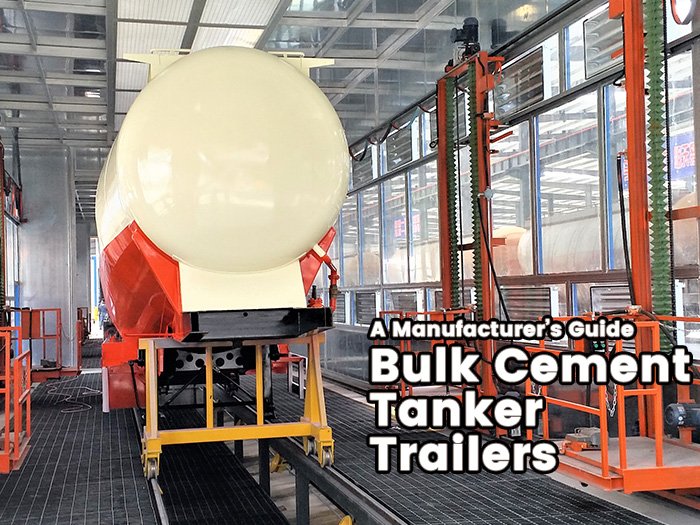
Bulk Cement Tanker Trailer Guide: Structure, Working Principle, and Applications
Bulk cement tanker trailers play a crucial role in modern construction logistics, especially in regions experiencing rapid industrial growth such as Africa, the Middle East, and Southeast Asia. Unlike fuel tanker trailers that transport liquid products, cement tankers are engineered for dry bulk materials with high fluidity under pressure—such as cement, fly ash, lime powder, and mineral powders.
Because these materials behave differently, the equipment design, safety control, discharge system, and tank structure are entirely specialized. This guide explains how cement tankers are built, how they work, and what buyers should consider before purchasing.
1. What a Bulk Cement Tanker Trailer Is Designed to Do
A bulk cement tanker trailer is designed for the sealed, pressurized transport of powder materials. Its main job is to ensure materials remain dry, flow smoothly, and discharge fully into silo systems.
Typical use scenarios include:
Cement transport for concrete mixing plants
Fly ash supply for road and bridge construction
Powdered limestone for steel and chemical plantsPowdered limestone for steel and chemical plants. The demand for cement and related materials is closely tracked by official bodies, such as the USGS Cement Statistics and Information data.
Bulk material delivery in remote areas without silo storage
Because powder materials must be completely dry, the tank structure must maintain airtightness throughout loading, transport, and unloading. Further information on the handling and properties of cement is provided by organizations like the American Cement Association.

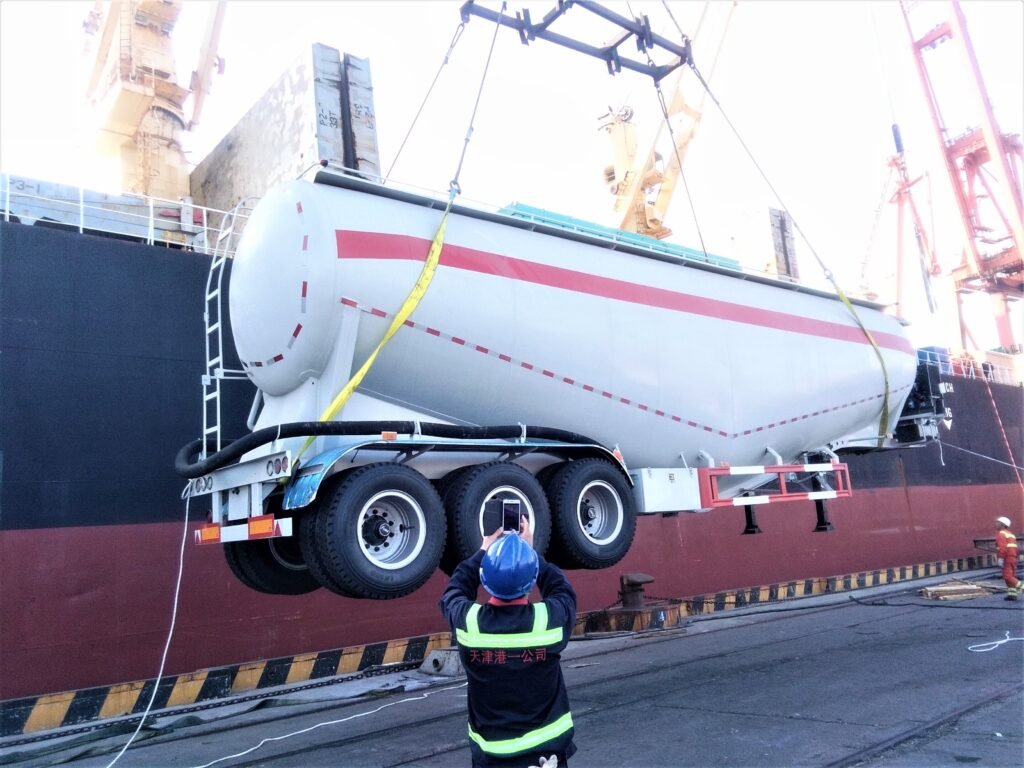
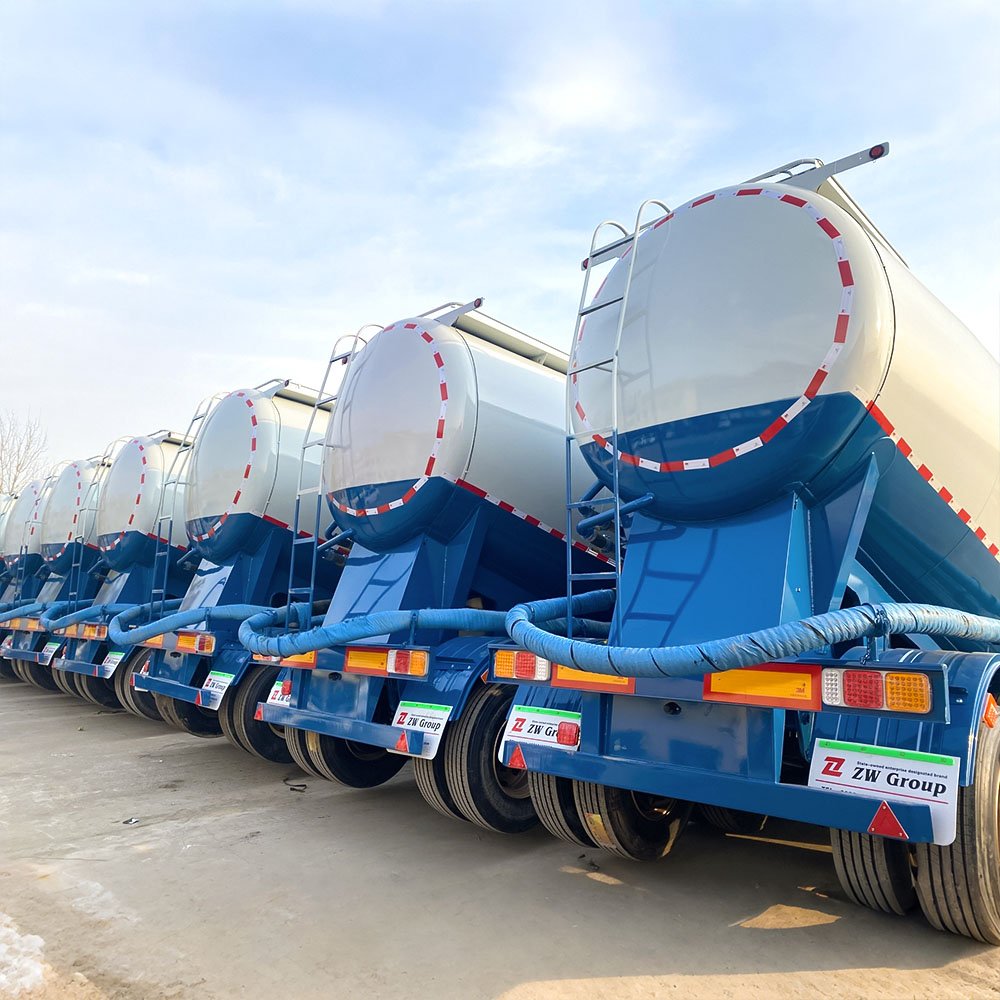
2. Tank Structure: Shape, Material, and Internal Reinforcement
Cement tanker tanks are typically designed in V-shape or W-shape, depending on the required discharge efficiency:
V-Shaped Tanks (Most Common)
Faster discharge
Better powder flow
Lower residual materials
W-Shaped Tanks
Larger volume capacity
More compartment options
Preferred for long-distance delivery
Tank Materials
High-strength carbon steel (Q345 / Q355) — durable, cost-effective
Aluminum alloy tanks — lighter weight, fuel-saving, preferred in Gulf regions
Stainless steel (less common) — used for certain chemical powders
Internal reinforcing rings ensure the tank can hold stable pressure during unloading, preventing tank deformation or cracking. The construction standards for these pressurized vessels often refer to the ASME Boiler and Pressure Vessel Code to guarantee structural integrity and safe operation.
3. Working Principle: How the Trailer Unloads Cement
Dry bulk tankers operate using pneumatic pressure. The unloading process follows a clear pressure-flow system:
Air compressor starts working
Air enters the tank, increasing pressure
Powder becomes fluidized
Material flows through discharge pipes
Powder enters the receiving silo
This makes unloading:
Faster (usually 20–40 minutes)
Cleaner (minimal dust leakage thanks to sealed pipelines)
More efficient (nearly zero remaining powders inside the tank)
4. Key Components and Their Functions
Air Compressor (Heart of the System)
Determines unloading speed
Must match tank volume
Most common brands: Wuhu, Bohai, Fuda
Air Chamber & Fluidized Bed
Ensures smooth powder flow
Prevents powder blockages
Affects unloading rate significantly
Safety Valves & Pressure Gauges
Prevent over-pressurization
Ensure safe working pressure (usually 0.2–0.3 MPa)
Discharge Pipelines
Must be wear-resistant
Standard diameter: 100–120 mm
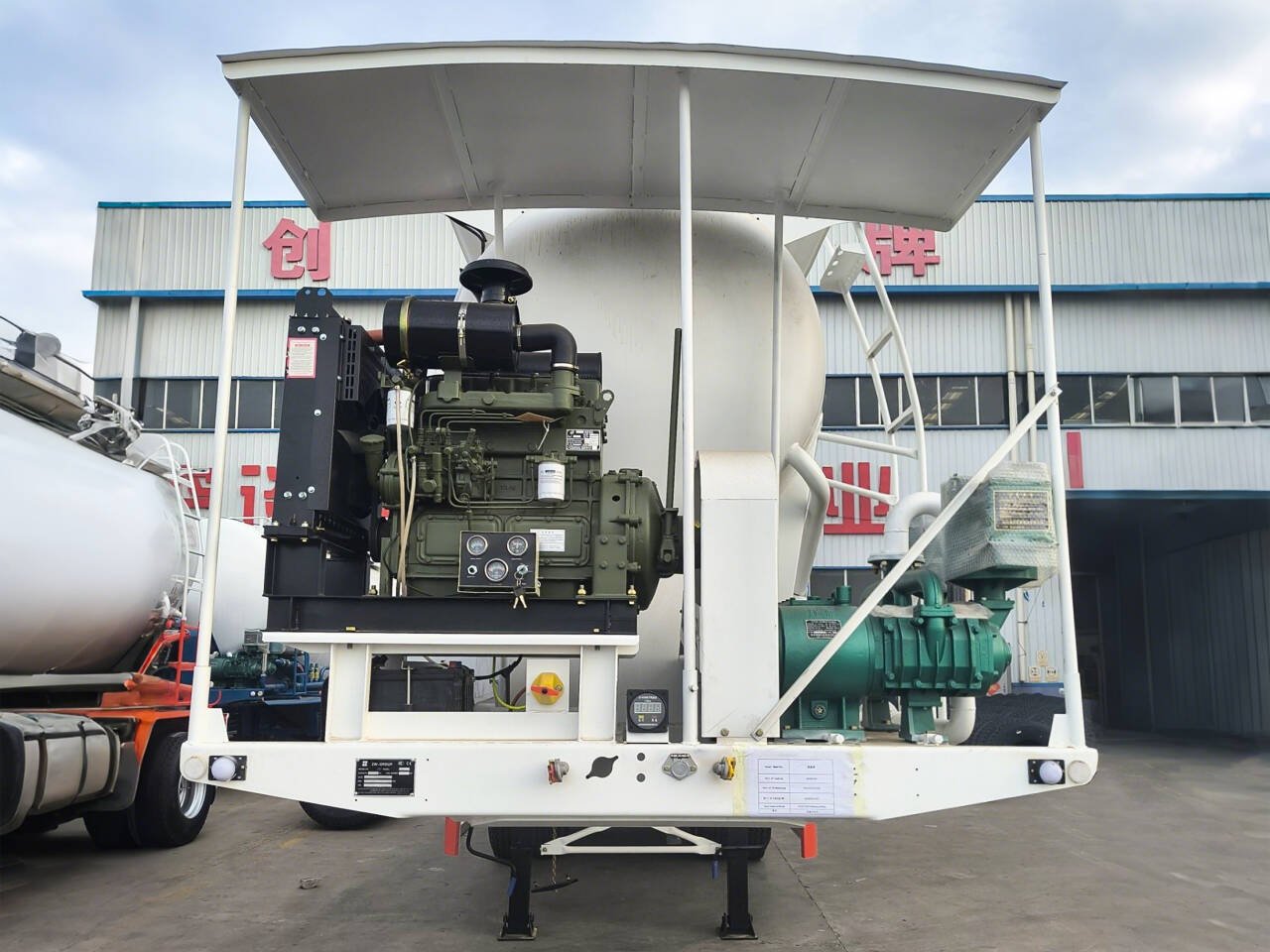
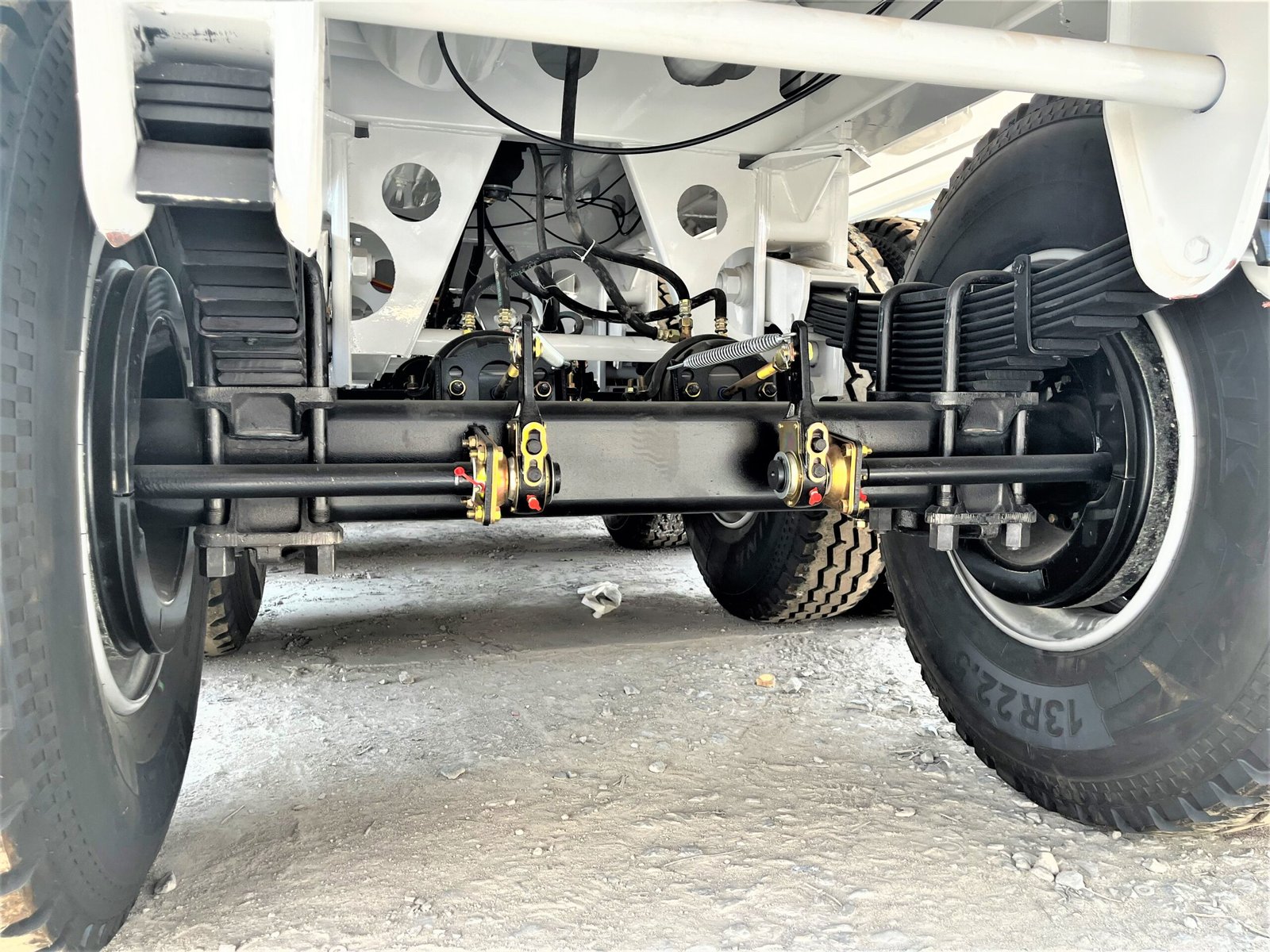
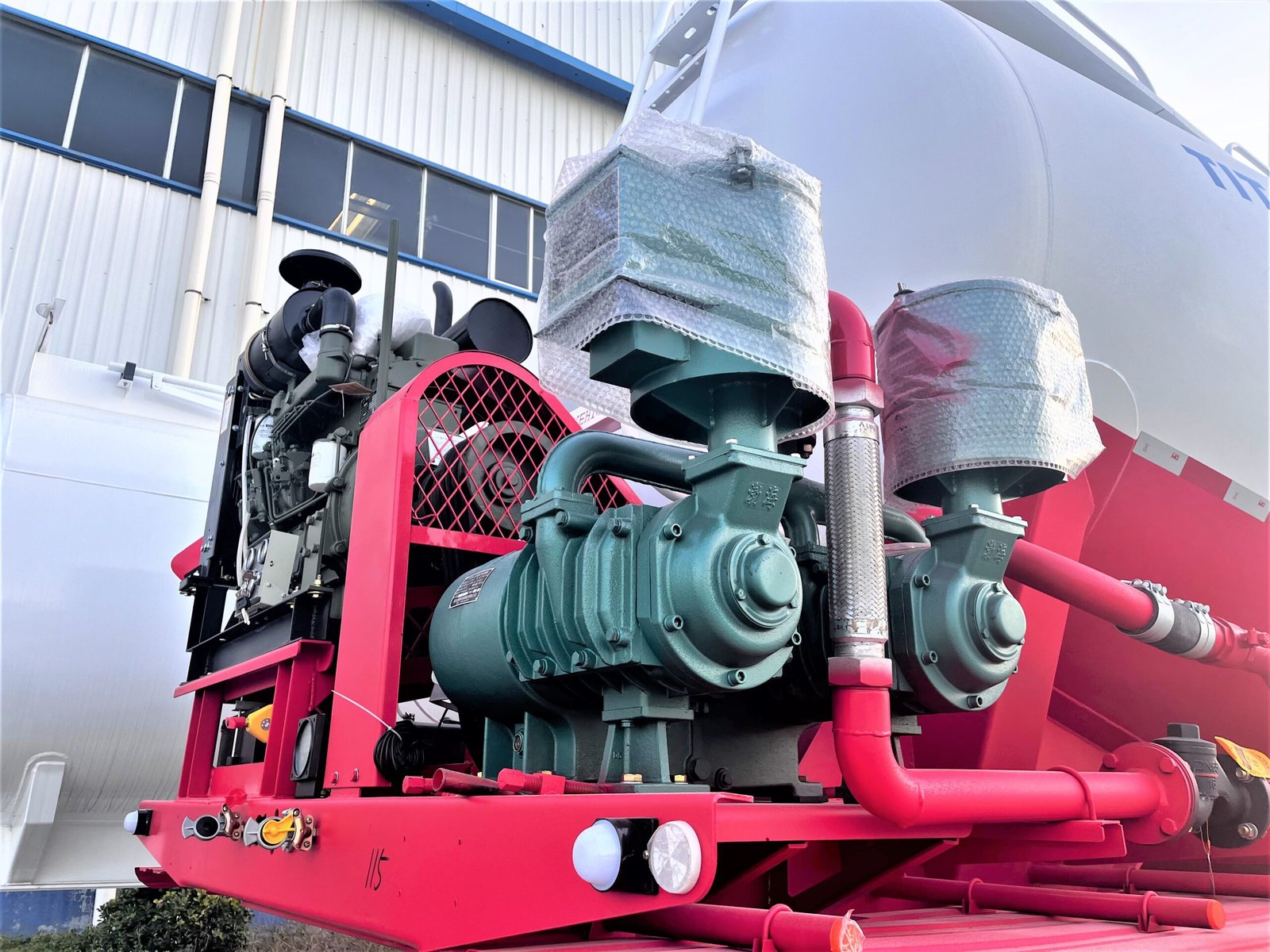
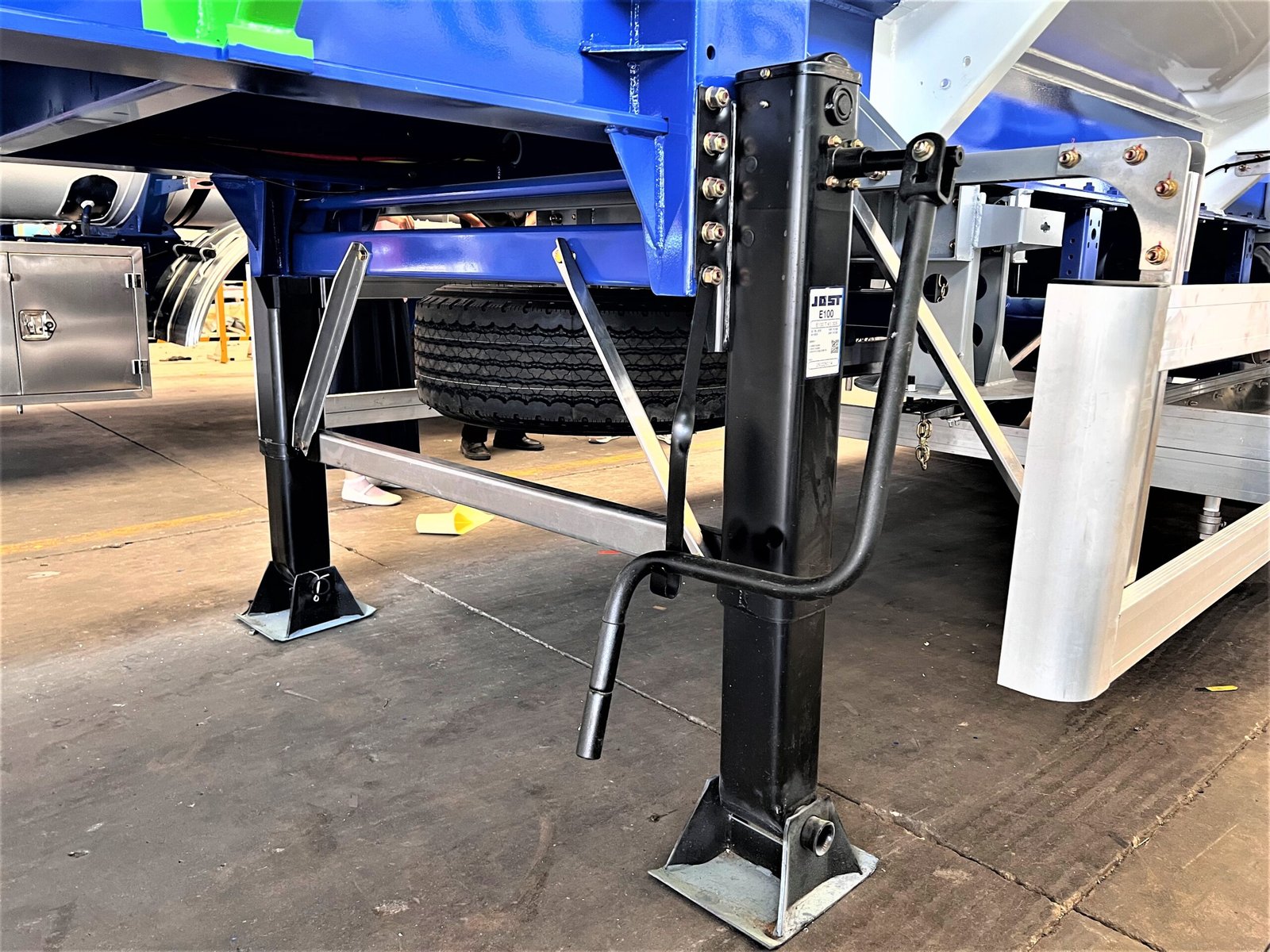
5. Common Configurations and Regional Differences
Africa
Steel tanks preferred
Single-compartment models are most common
Used heavily in cement factory supply chains
Middle East
Aluminum tanks becoming more popular
Multi-axle configurations for long-distance trips
Used in large construction projects, ports, and cement distribution hubs
Southeast Asia
V-shaped tanks dominate
Focus on lightweight chassis and fuel-saving
You can add pictures of different shapes or unloading systems here if needed.

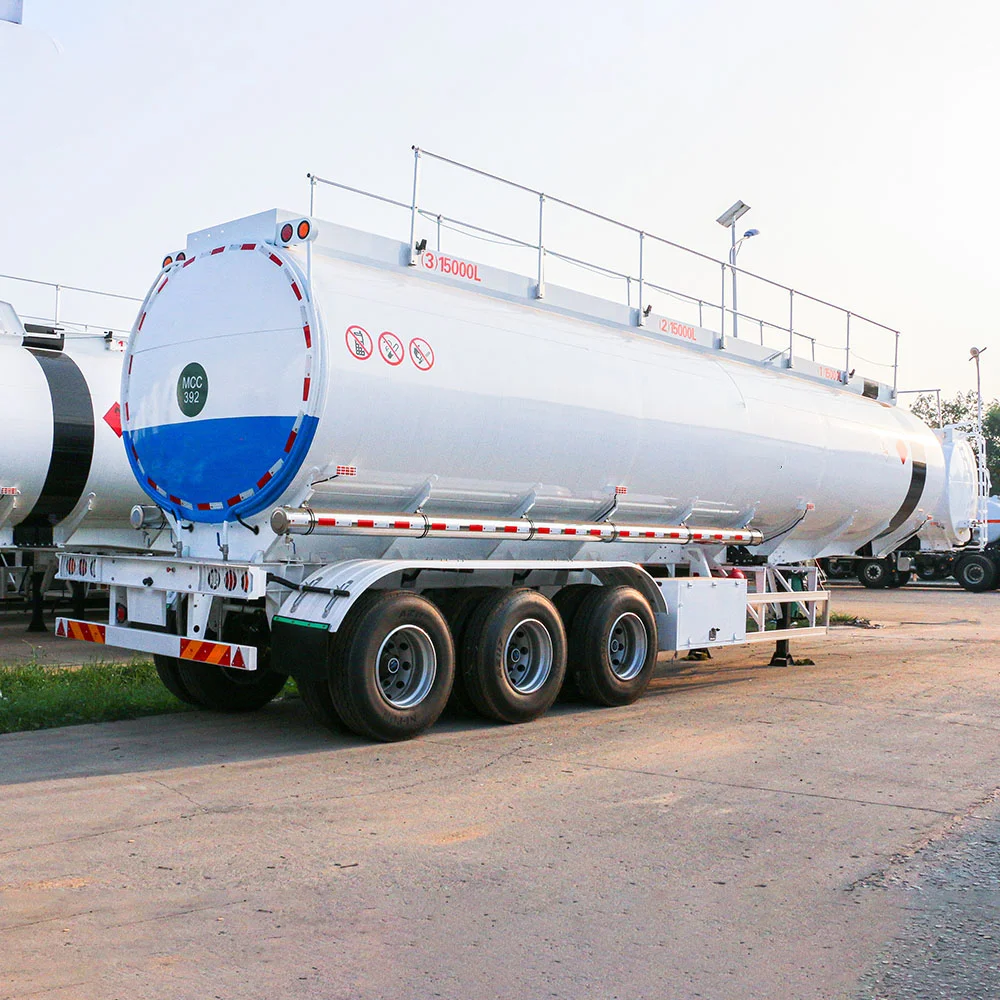
6. Real Usage Scenarios (More Natural, Less AI Style)
To make the information more relatable, here are real examples often shared by customers:
Concrete batching plants prefer fast-discharge trailers because unloading delays slow down concrete production.
Bridge and road contractors choose thicker steel tanks due to rough road conditions and long on-site waiting times.
In coastal regions, buyers select aluminum alloy tanks because they resist corrosion from humid environments.
In Nigeria and Kenya, operators often request larger capacity (45–60 m³) to reduce the number of trips during peak construction seasons.
7. Maintenance Tips
Powder tankers require simple but regular maintenance:
Check air compressor oil levels
Clean filter elements
Inspect discharge pipes for wear
Test safety valve response
Ensure no moisture enters the tank
Proper maintenance directly affects unloading speed and fuel consumption. To ensure you start with a high-quality, low-maintenance trailer built to ASME standards, contact our engineering team for a customized bulk cement tanker quote.
8. Internal Link Placement (Recommended Location)
For readers interested in our worldwide activities and field exhibitions, you may also explore our recent short reports on the Saudi Arabia Industrial Exhibition and Nigeria Expo, where we showcased various bulk materials transport solutions.
9. Conclusion
Bulk cement tanker trailers are essential for large-scale construction and industrial operations. Their efficiency depends on tank shape, discharge system quality, compressor performance, and long-term airtightness. As infrastructure development accelerates across emerging markets, the demand for reliable bulk powder transport equipment continues to rise.
If needed, I can help you extend this guide with a comparison chart, FAQ section, or buyer checklist.
10.Contact Us
If you have questions about selecting the right bulk cement tanker trailer, or if you need technical specifications, drawings, or a quotation, our team is ready to assist you.
You can reach us anytime:
Email: inquiry@zwgroup-vehicle.com
WhatsApp: +86-156-5031-7860
Website Inquiry Form: Available on every product page
Our engineering and sales teams will provide detailed guidance based on your project requirements, transportation materials, and regional regulations.