
Fuel Tanker Trailer Africa Demand (Nigeria, Kenya, Ghana Market Analysis)
ZW Group| 2025-12-11
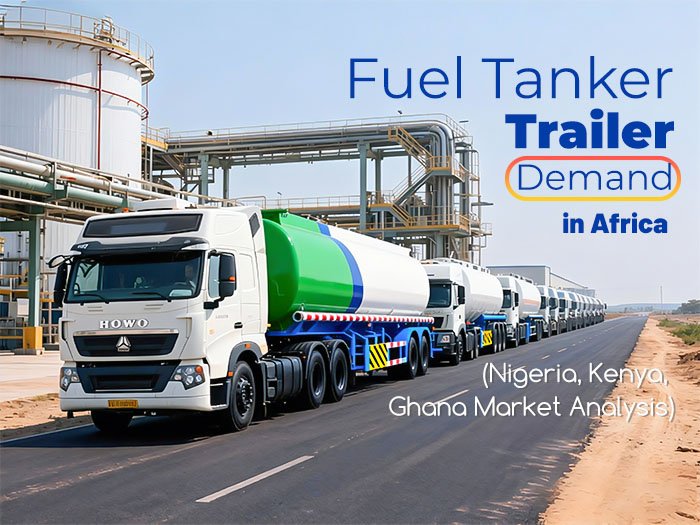
1. Introduction: Why Fuel Tanker Demand Is Rising Across Africa
Africa is experiencing rapid growth in energy consumption, transportation, and infrastructure development. As cities expand and commercial activities increase, the need for reliable fuel transportation becomes a crucial part of national logistics systems.
Across Nigeria, Kenya, Ghana, and neighboring countries, the demand for fuel tanker trailers continues to rise, supported by:
Expanding road and urban development
Growth of nationwide fuel distribution networks
Larger fleets for oil marketing companies
Regional trade of diesel, petrol, and aviation fuel
To understand the core components of these specialized vehicles, refer to our detailed guide: [What Is a Fuel Tanker Trailer?]. This article provides a market-by-market analysis to help fleet owners, distributors, and dealers understand purchasing trends and preferred tanker configurations tailored for the African market.
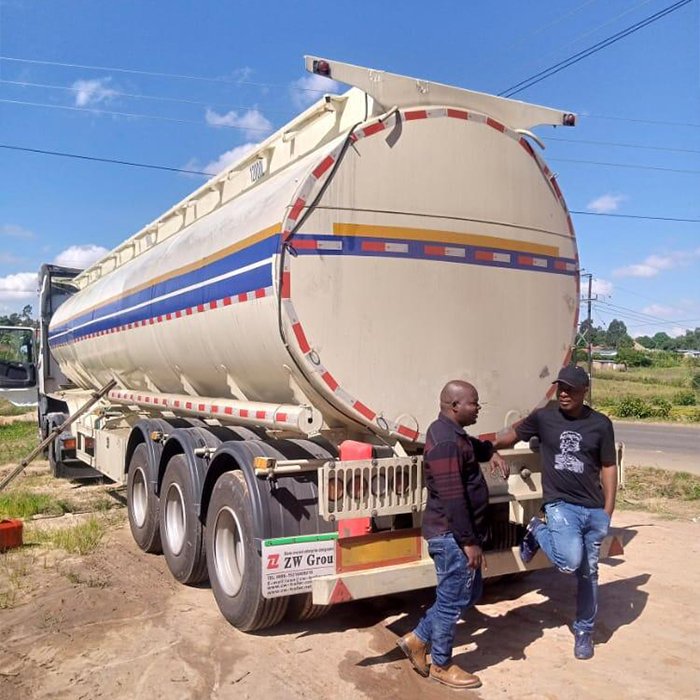
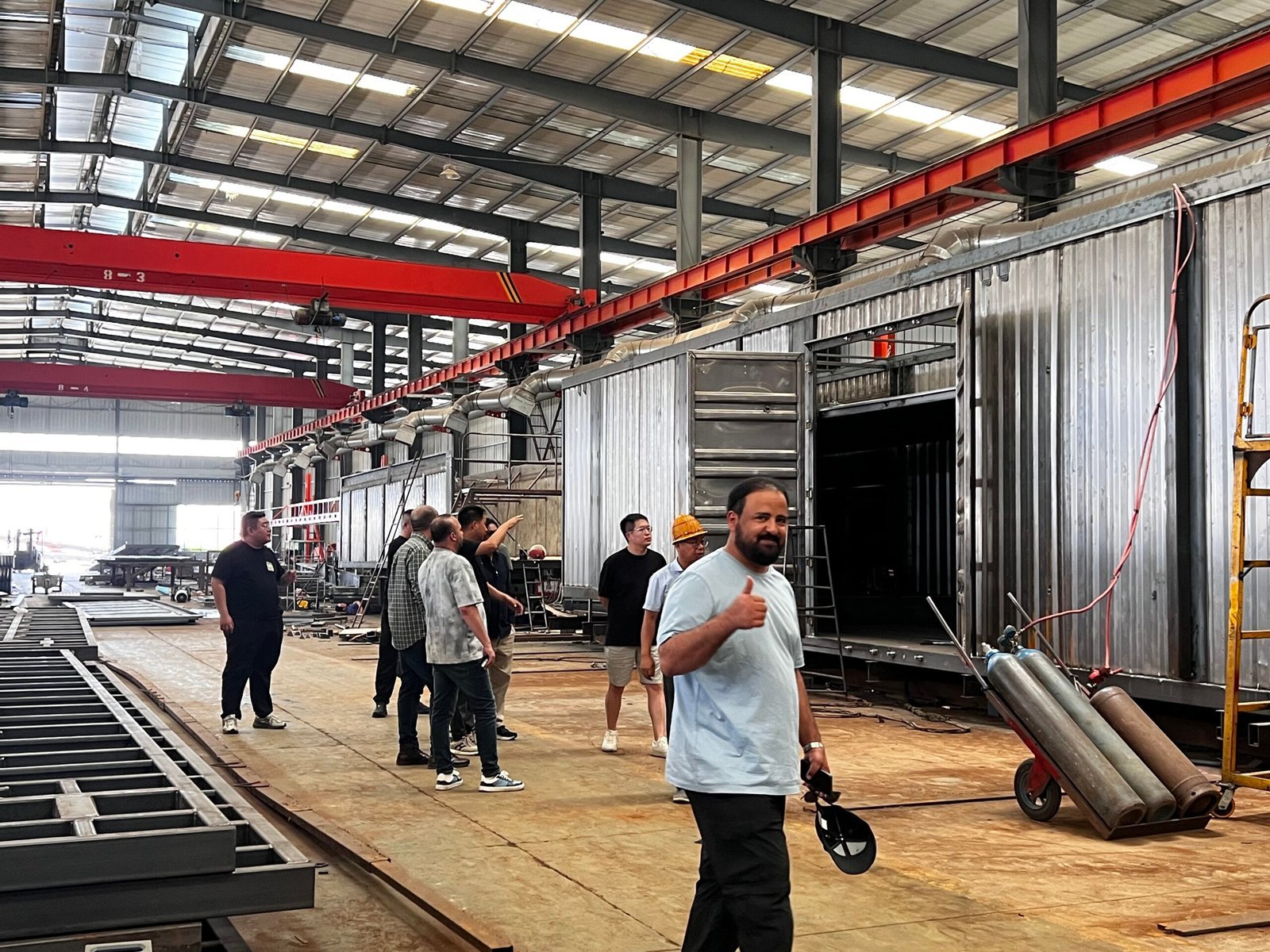
2. Nigeria: The Largest Fuel Transport Market in West Africa
2.1 Key Drivers for Nigeria’s Market Growth
Nigeria, with over 220 million people, is Africa’s largest fuel consumption economy. Key factors driving fuel tanker trailer demand include:
High reliance on diesel for power generators in industrial and residential sectors.
Long-distance road transport (e.g., Lagos to Kano) necessitating high-capacity and robust trailers.
Expansion of private fuel distributors following market liberalization.
Continuous construction and infrastructure upgrades requiring bulk fuel delivery.
2.2 Best-Selling Fuel Tanker Sizes and Specs in Nigeria
The most cost-effective and in-demand specifications are:
Capacity: 45,000L (45 CBM) is the dominant size for optimizing payload against road tax limits.
Axles: 3-axle standard configuration.
Compartments: 5–7 compartments (essential for multi-fuel and smaller bulk distribution).
Material: High-tensile carbon steel (Q345R grade) for strength and lower procurement costs.
To understand the economics of maximizing trips in this high-volume market, read our deep dive on the specification: [Why the 45,000L Tanker Trailer Is Popular in Nigeria].
2.3 Typical Buyers and Operational Scope in Nigeria
The market is diversified, primarily comprising:
Fuel station owners and large independent distributors.
Oil marketing companies seeking fleet expansion.
Cross-border transporters moving fuel to Niger, Benin, and Cameroon.
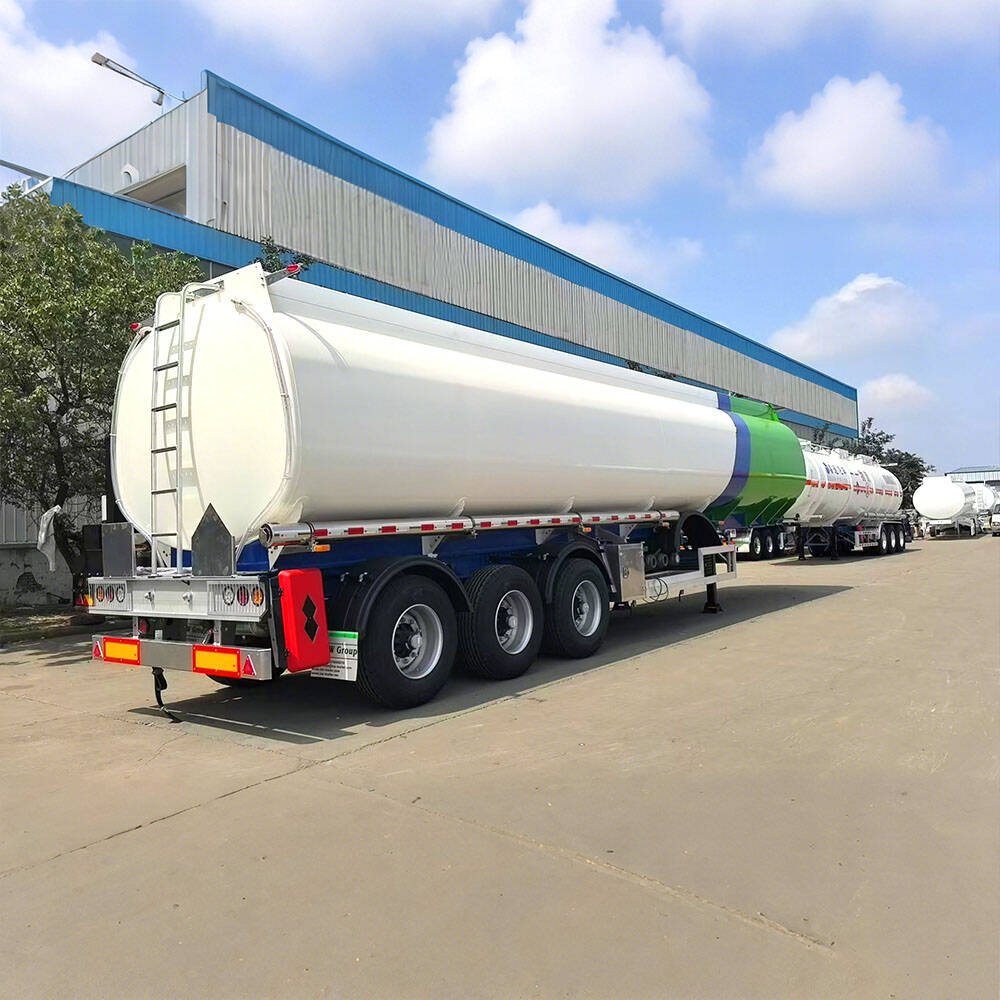

3. Kenya: East Africa’s Rapidly Expanding Fuel Network
3.1 Kenya’s Role as the Regional Distribution Hub
Kenya serves as the critical fuel distribution hub for the entire East African region (EAC), utilizing the Mombasa port to supply landlocked nations including:
Uganda and Rwanda (via major corridors).
South Sudan and Northern Tanzania.
This critical transit role significantly boosts demand for durable, high-capacity fuel tanker trailers Africa.
3.2 Preferred Specifications and Durability Focus in the Kenyan Market
Kenyan buyers prefer reliable, high-durability assets:
Capacity: 42,000–45,000L fuel tankers.
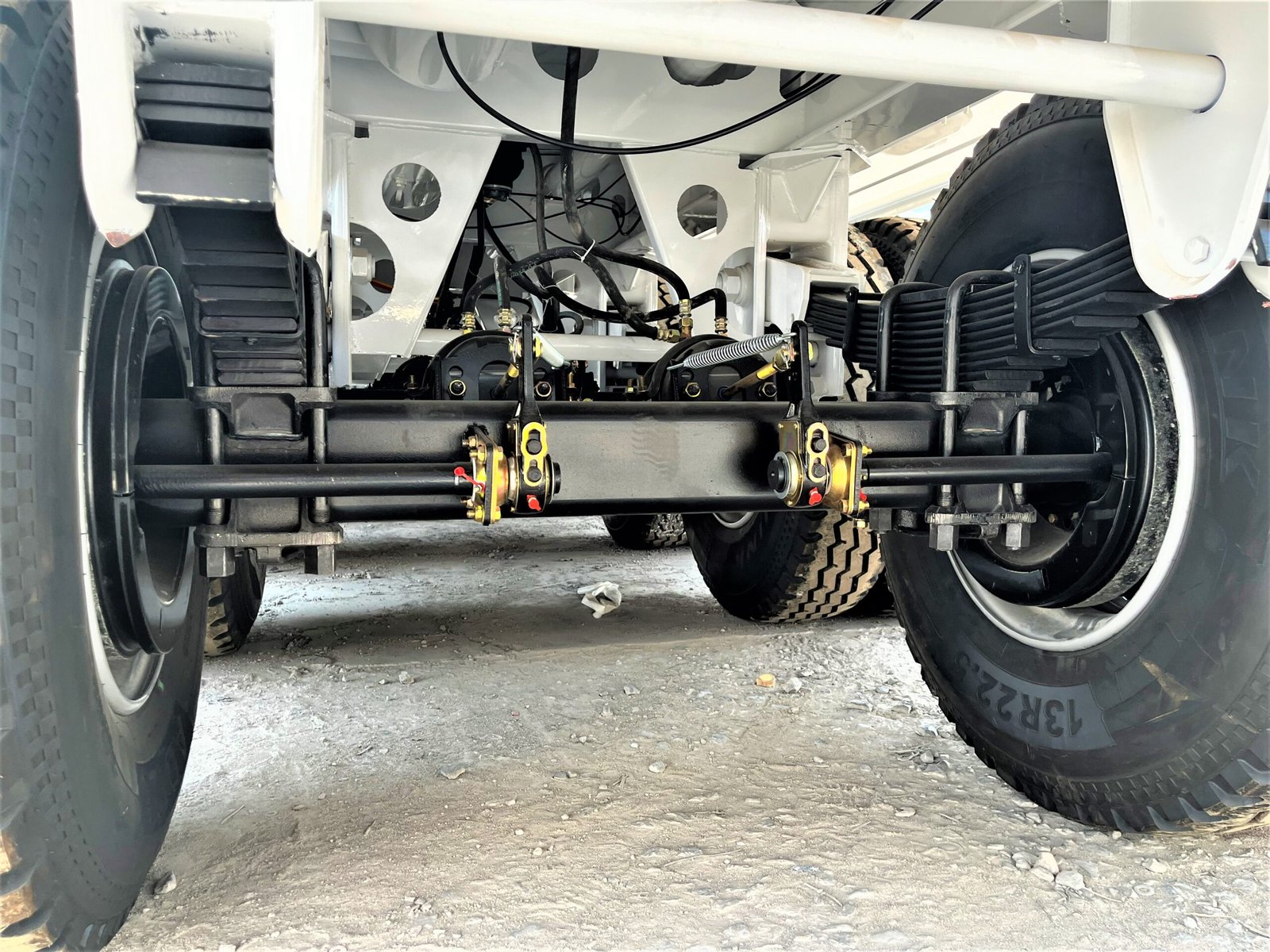
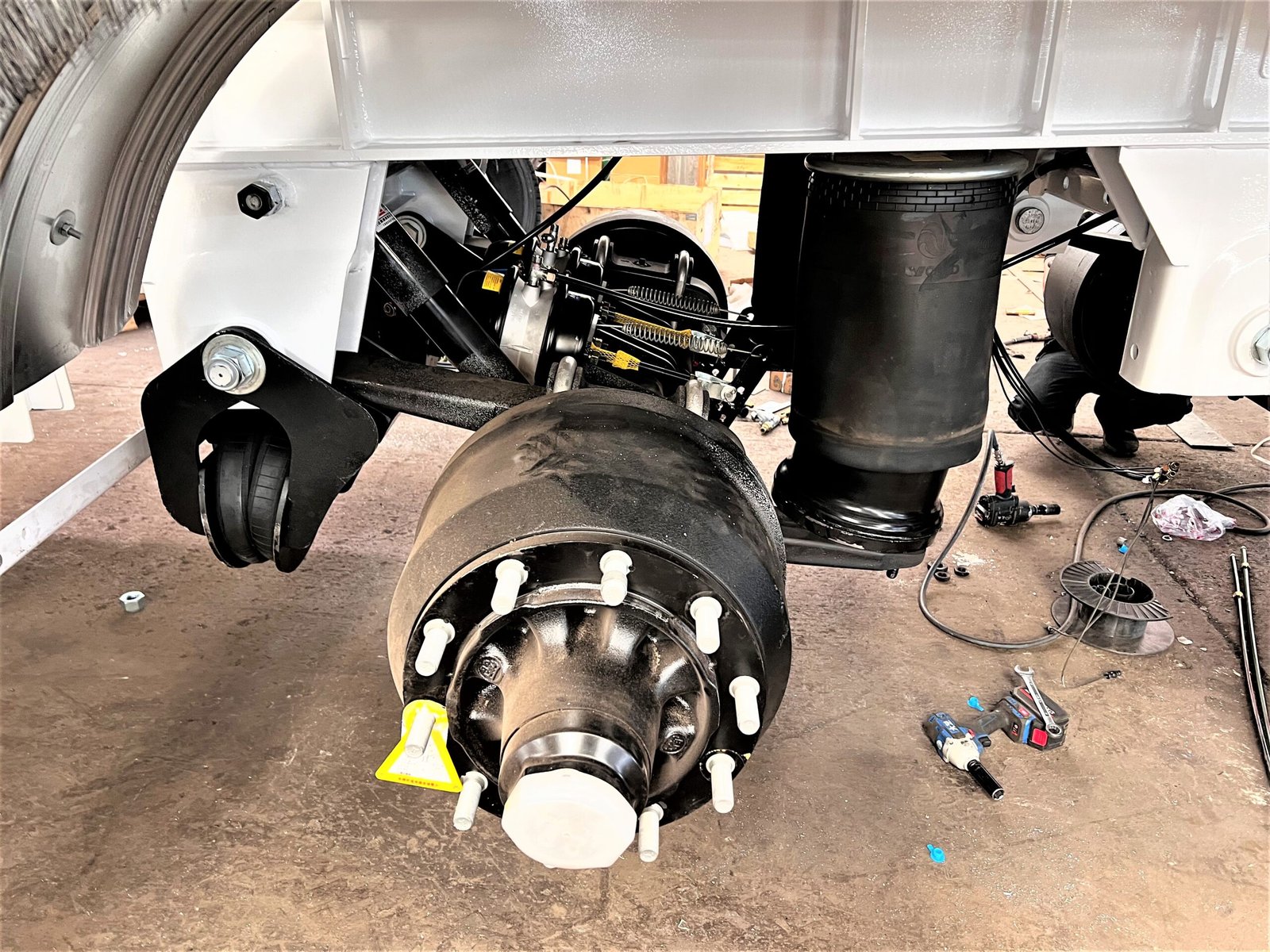
Suspension: A mix of 3-axle air suspension (for sensitive cargo) or heavy-duty mechanical suspension (for cost-effectiveness).
Special Cargo: Stainless steel options are increasingly specified for transporting aviation fuel (Jet A-1) to regional airports, ensuring purity and compliance.
3.3 Stability Engineering for Challenging Terrain
The demanding Great Rift Valley terrain and long-distance routes require specialized engineering to minimize wear and improve safety:
Chassis: High-grade, reinforced chassis and kingpins.
Safety Features: Anti-surge baffles are mandatory to manage liquid shift, a requirement often stipulated by international Hazardous Materials Transport Regulations.
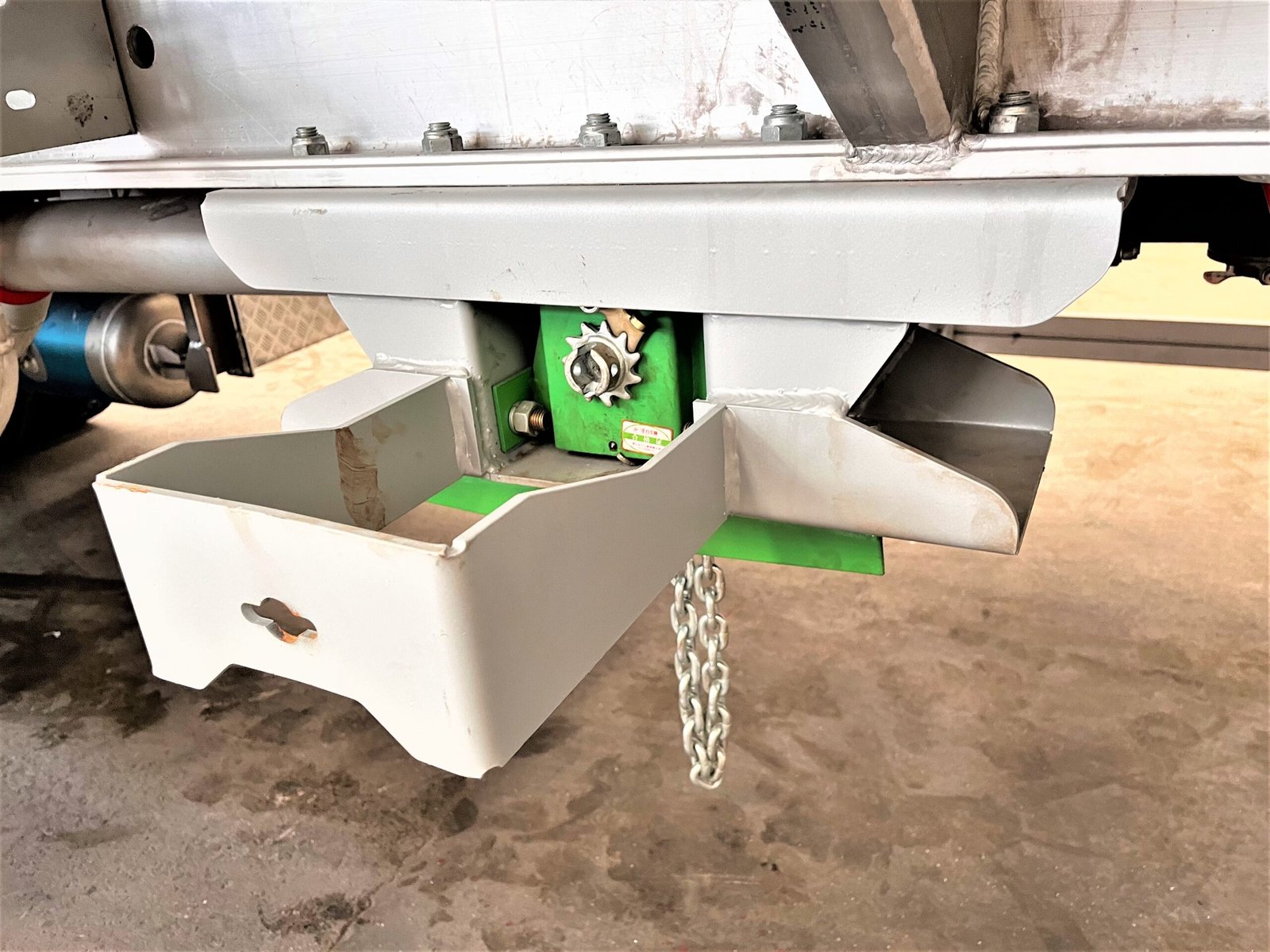
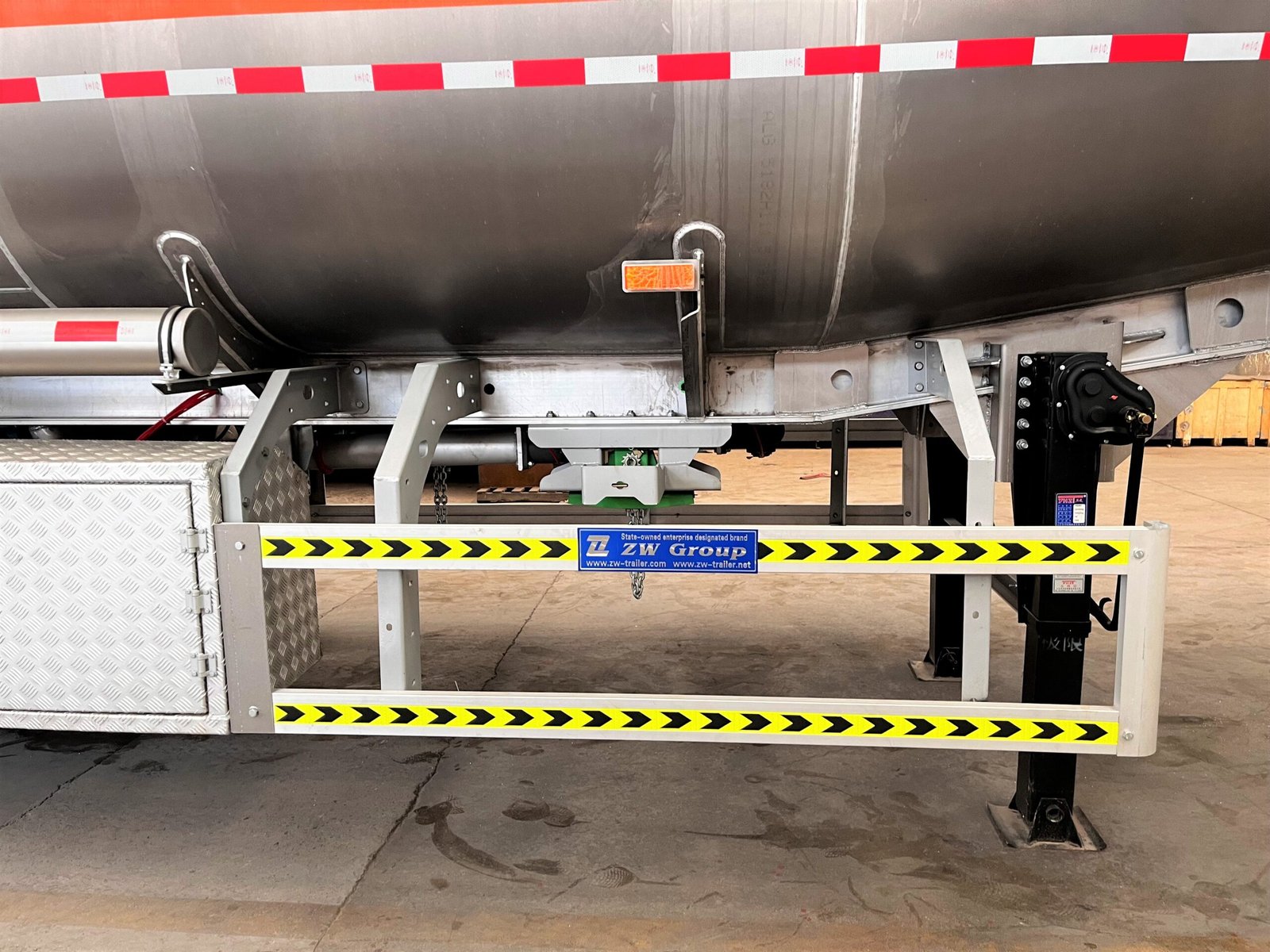
Critical Components: Reinforced landing gears and high-quality axles ensure stability during mountain transport.
4. Ghana: Stable Growth & High Focus on Transport Safety
4.1 Market Overview and Core Drivers
Ghana’s fuel transportation market exhibits stable growth, supported by:
Expanding fuel station networks along coastal and inner-city areas.
Growth in major mining and industrial operations (e.g., gold mining).
Increasing governmental focus on road safety and environmental standards.
4.2 Most In-Demand Ghana Tanker Specifications and Safety Systems
Ghanaian buyers primarily request trailers that prioritize safety and efficient loading:
Capacity: 40,000–45,000L tank capacities.
Compartments: Four-compartment tankers are common.
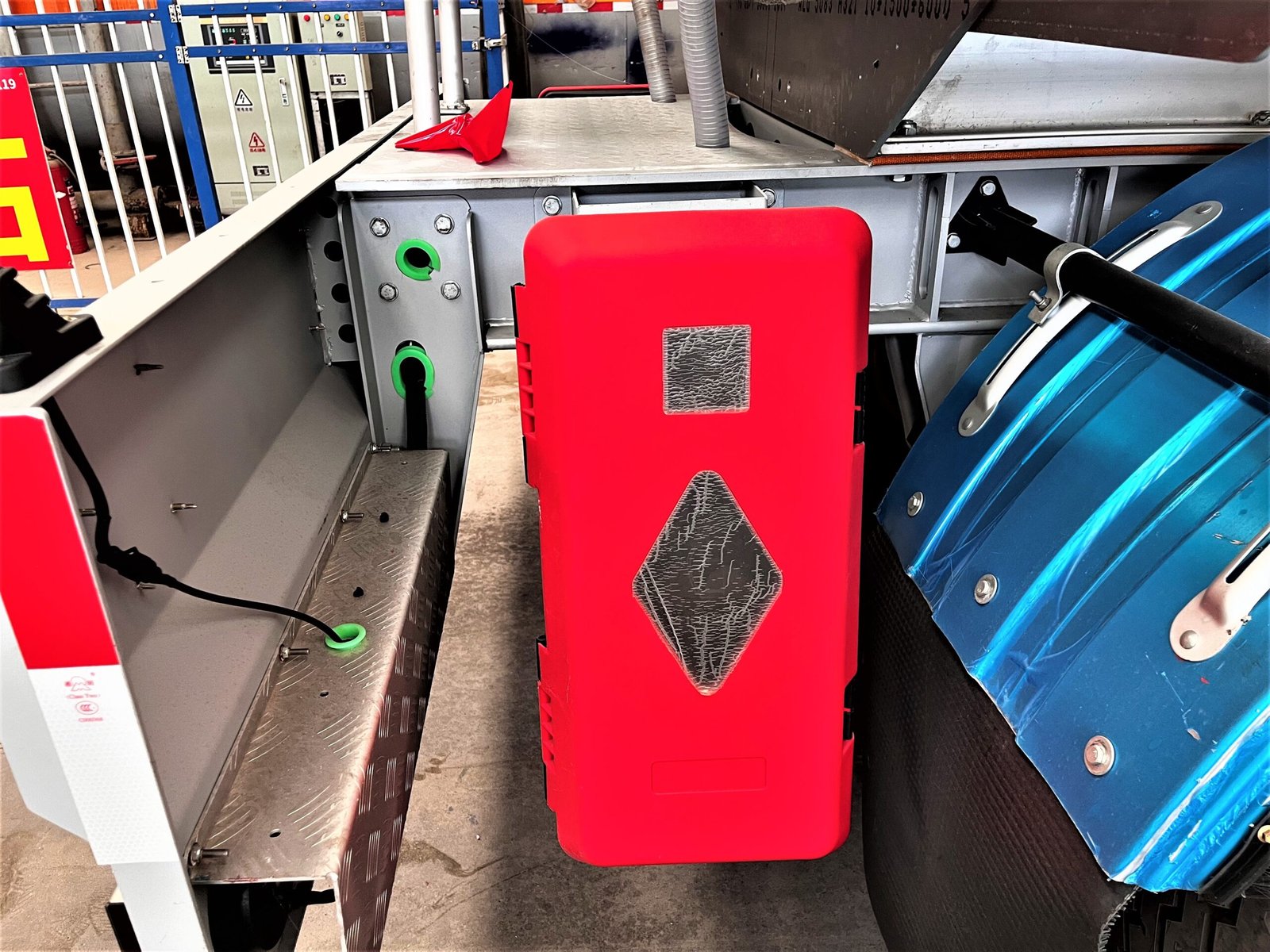
Safety: ADR-certified valves, safety systems, and vapor recovery are increasingly mandated. For specific requirements on the certification of road transport vehicles, consult the UNECE Agreement concerning the International Carriage of Dangerous Goods by Road (ADR).
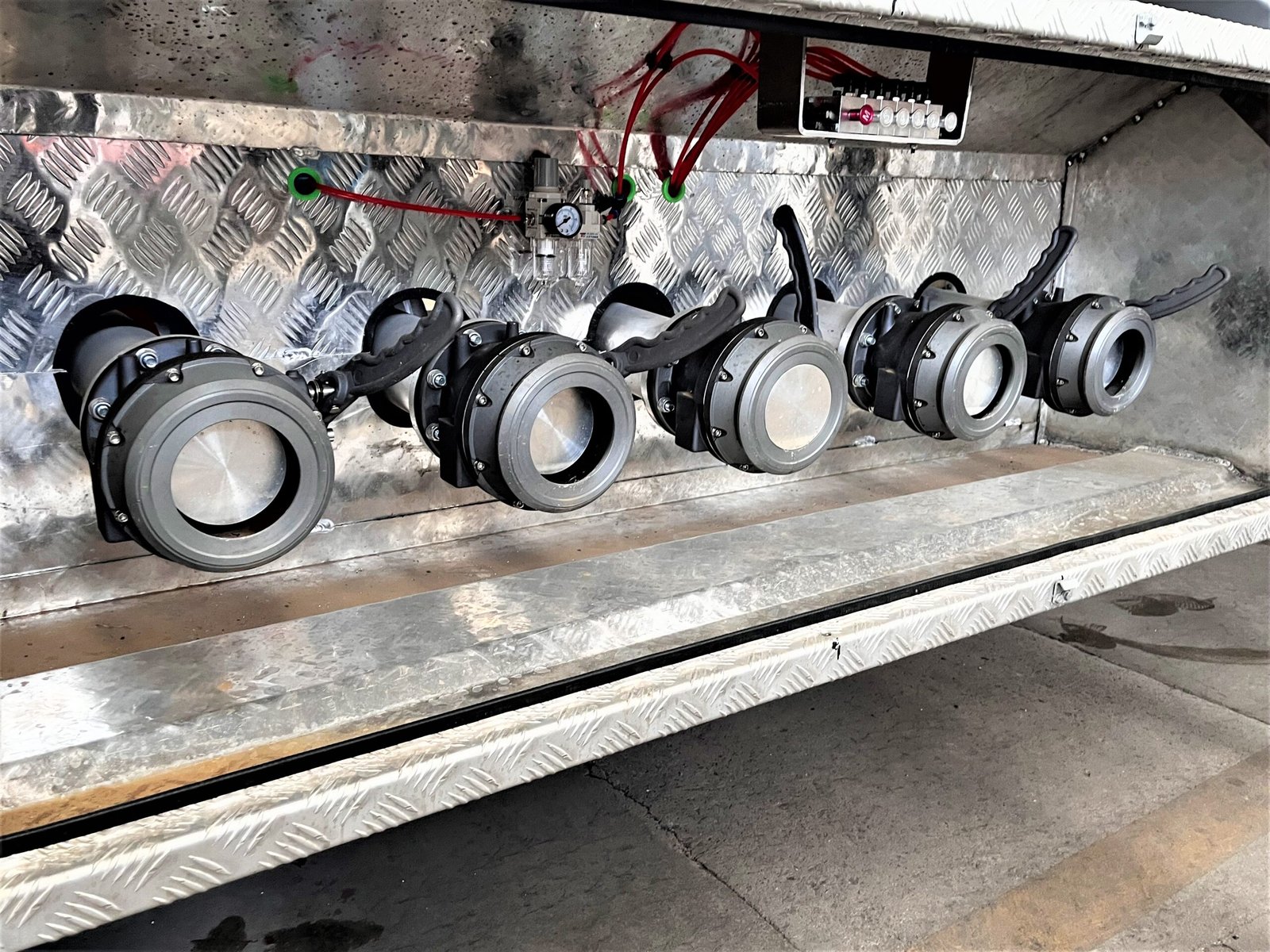
Loading: Bottom loading systems are highly preferred for faster, safer depot compliance.
For detailed safety compliance, review our comprehensive guide: [Fuel Tanker Trailer Safety Guide ].
4.3 Unique Requirements: Coastal Climate and Braking
Braking Systems: Stronger braking systems, including ABS (Anti-lock Braking System) and optional EBS (Electronic Braking System), are frequently requested for enhanced control.
Corrosion Resistance: High corrosion resistance coatings and materials are necessary due to the severe coastal climate and humidity.

5. Key Trends in Africa’s Fuel Tanker Trailer Market (2025 Update)
5.1 Multi-Compartment Designs Are Becoming Standard
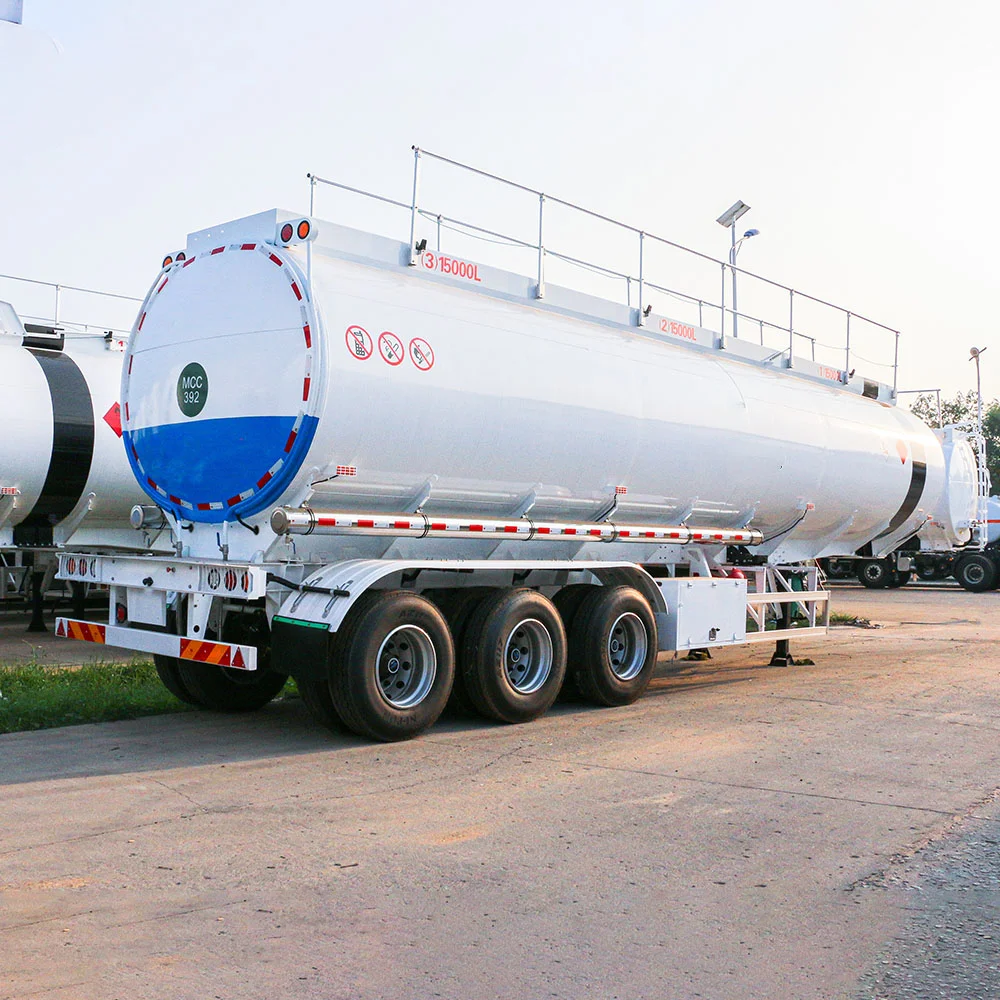
The trend across fuel tanker trailer Africa is toward versatility. Multi-compartment tanks allow operators to distribute multiple fuel types (e.g., diesel, gasoline, kerosene) in a single trip, significantly increasing fleet efficiency and ROI.
5.2 Growing Shift Toward Bottom-Loading Systems
Crucially, bottom-loading allows for faster filling, reduces static electricity risks, and minimizes vapor emissions, meeting stricter safety protocols in regional depots (especially in Kenya and Ghana).
5.3 Demand for Stronger Steel Grades
Buyers prioritize longevity and safety. Q345R and Q370 steel are increasingly preferred over lower grades due to superior durability, resistance to fatigue failure, and accident resistance in rugged road conditions.
5.4 Fast Growth of Independent Fuel Distributors
Small and mid-size independent companies are rapidly expanding across West and East Africa, driving demand for high-quality, reliable trailers that offer a strong return on investment.
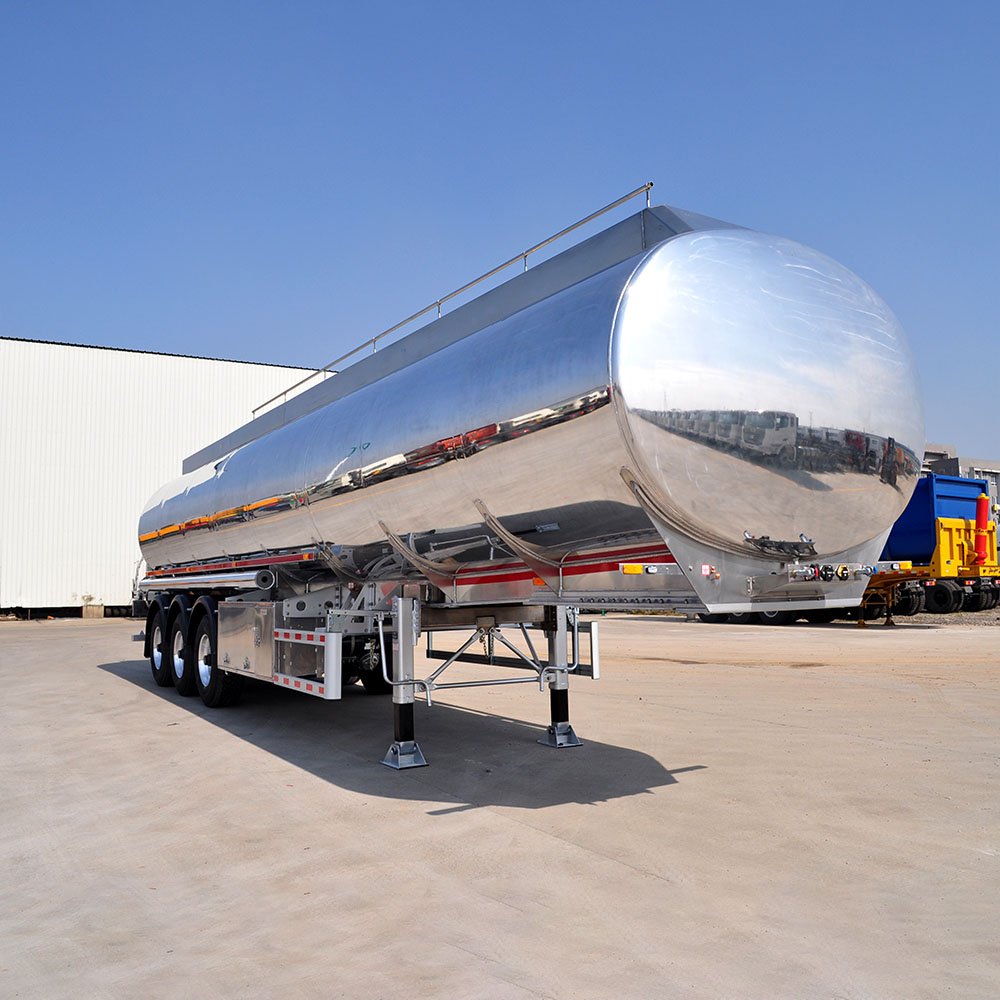
6. Summary: Which Tanker Type Is Best for Each Market?
| Country | Best Capacity | Compartments | Special Requirements |
| Nigeria | 45,000L | 5–7 | Strong chassis, lower cost focus. |
| Kenya | 42,000–45,000L | 4–6 | Air suspension options, mountain stability. |
| Ghana | 40,000–45,000L | 4 | ADR safety, bottom loading, corrosion resistance. |
7. Contact ZW Group for African Market Solutions
As a specialized manufacturer of fuel tanker trailer Africa solutions, ZW Group understands the unique logistical challenges and regulatory requirements of the continent.
We provide customized, high-durability trailers designed for high ROI:
Custom tank sizes (40,000L–60,000L) optimized for local road limits.
Multi-compartment configurations for maximum efficiency.
ADR valves, safety systems, and advanced braking (ABS/EBS) options.
Robust export solutions and logistics support for rapid delivery to all major African ports.
Don’t compromise on safety or efficiency. Partner with an expert in African fuel transport.
📩 Contact Us Today for a Quote:
WhatsApp: +86-156-5031-7860
Email: inquiry@zwgroup-vehicle.com
We support fast delivery to Nigeria, Ghana, Kenya, Tanzania, and all African ports.