Fuel Tanker Trailer for Oil & Gas Transportation Projects
ZW Group| 2026-2-7
Introduction
Fuel tanker trailers are essential for oil & gas transportation projects because safety, reliability, and long-term operational stability cannot be compromised. In contrast to general cargo vehicles, these trailers are specifically engineered to carry hazardous liquids while meeting strict regulatory and operational standards.
This guide provides valuable insights for various professionals, including oil & gas project contractors, fuel transportation fleet operators, and buyers evaluating tanker trailer manufacturers. By exploring the full manufacturing process, readers can accurately assess product quality, minimize operational risks, and make informed purchasing decisions.
Raw Material Selection: The Foundation of Tank Safety
High-quality fuel tanker trailers start with carefully selected steel plates. For oil & gas applications, manufacturers typically use carbon steel or alloy steel that meets certified thickness and tensile strength standards. Choosing substandard steel might save costs initially, but it also increases the risk of deformation, corrosion, and leakage as the trailer ages. Therefore, selecting the right material is crucial for long-term safety and reliability.
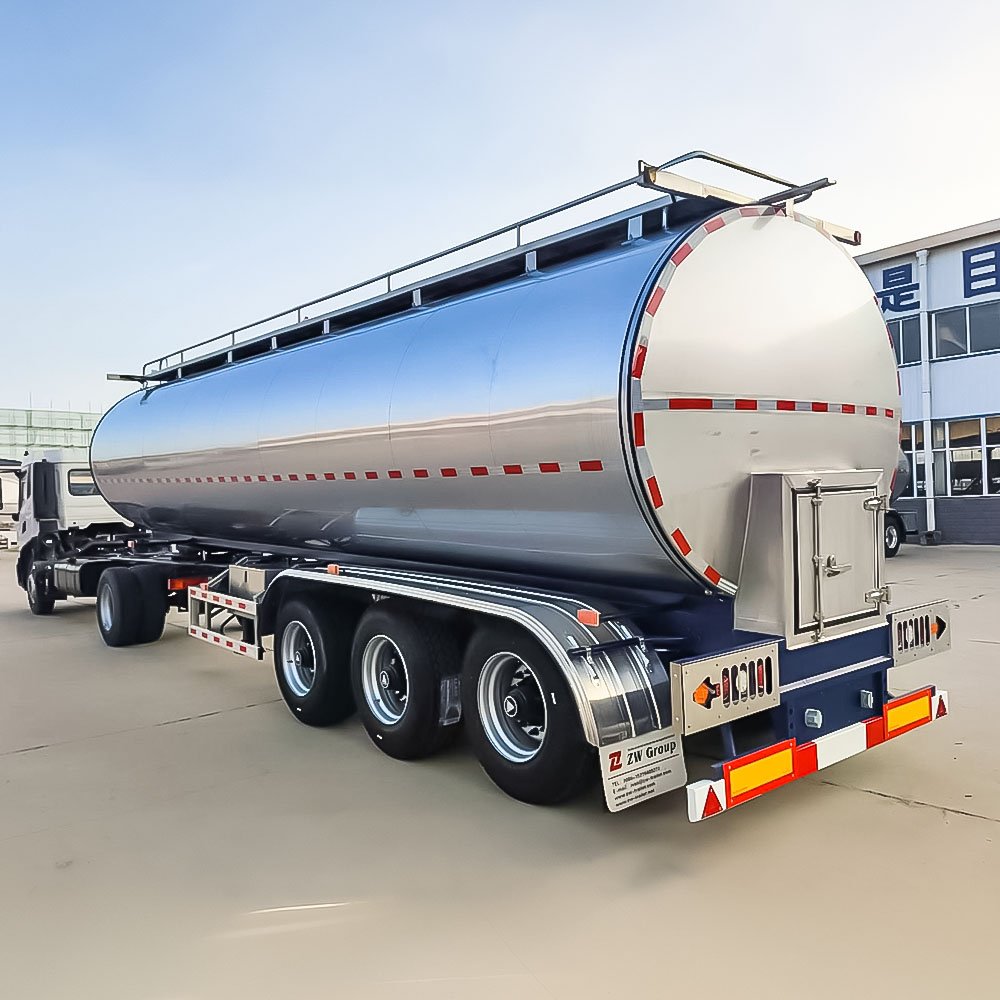
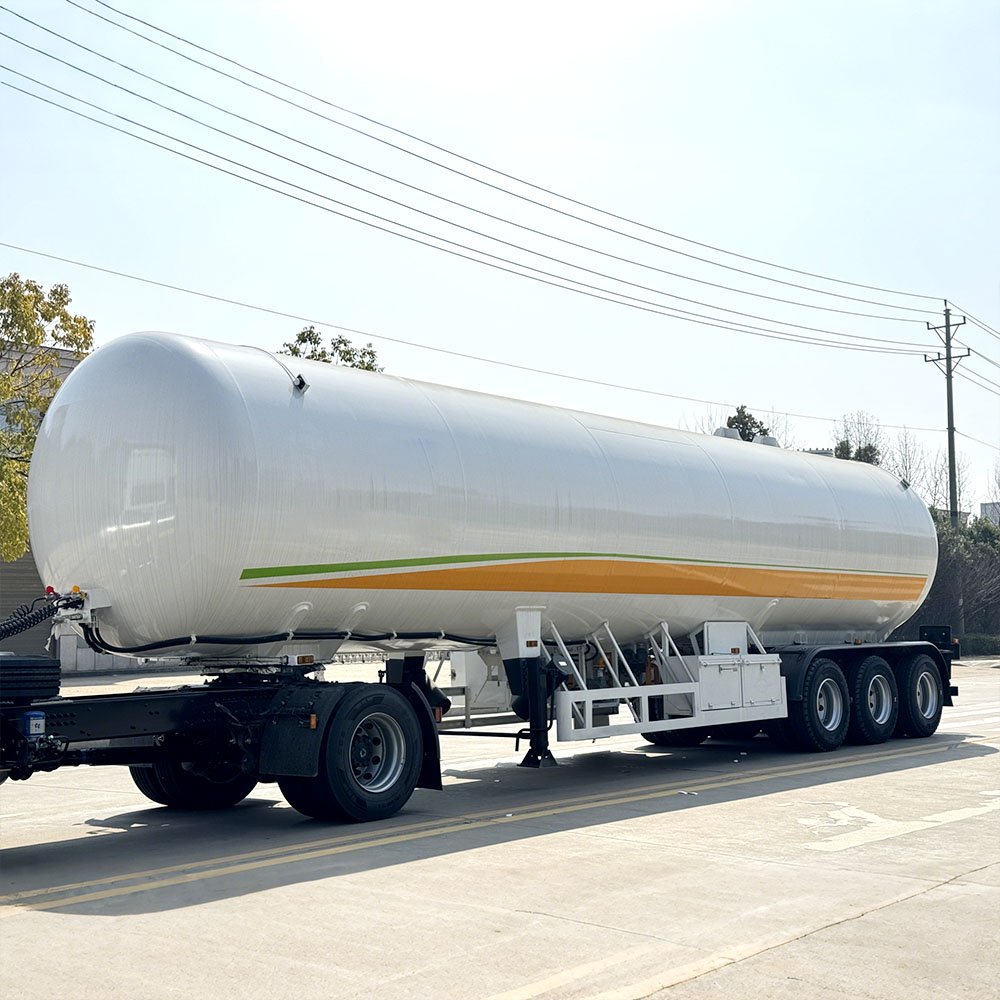
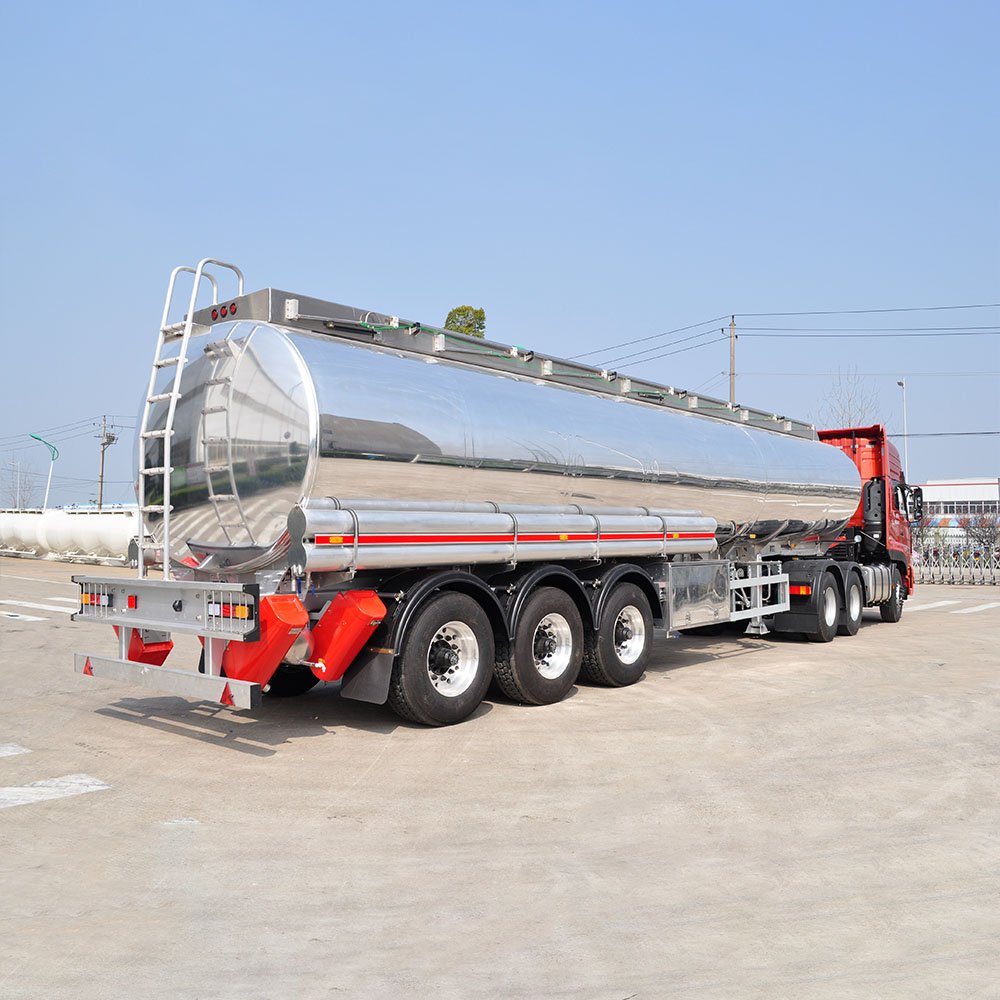
Precision Tank Forming and Shell Fabrication
Skilled technicians cut, roll, and shape steel plates into cylindrical or elliptical tank shells using CNC equipment. This precise process ensures even stress distribution during transportation and braking. Moreover, even minor deviations during shell forming can cause structural fatigue after long-term use on rough roads or in high-temperature regions.
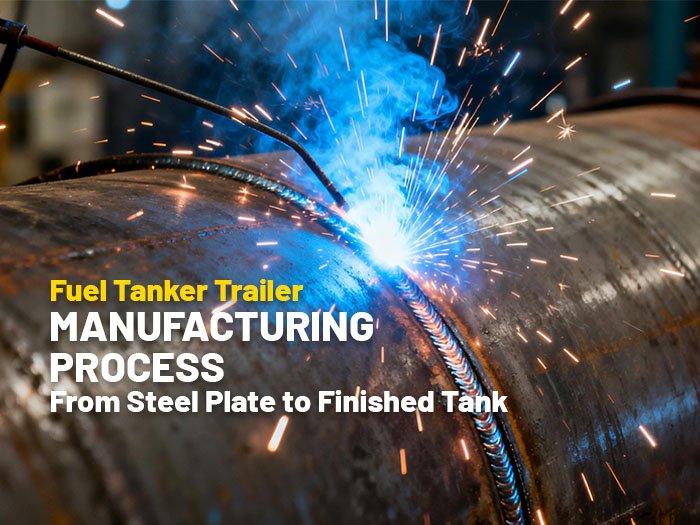
Welding Process: Where Safety Is Determined
Skilled technicians prioritize welding quality as one of the most critical factors in fuel tanker manufacturing. To achieve strong and uniform seams, they commonly use automatic submerged arc welding and CO₂ gas-shielded welding. As a result, poor welding quality can lead to fuel leakage, safety incidents, and costly maintenance issues.
Internal Baffles and Compartment Design
Internal baffles are installed to reduce liquid surge during transportation.
For oil & gas projects, proper baffle spacing improves vehicle stability and enhances braking safety.
Multi-compartment designs also allow operators to transport different fuel types efficiently while minimizing cross-contamination risks.
Anti-Corrosion Treatment and Surface Coating
Fuel tanker trailers are often exposed to moisture, chemicals, and extreme climates.
Therefore, internal sandblasting and external anti-corrosion coating are essential manufacturing steps.
High-quality coatings significantly extend service life and reduce long-term maintenance costs.
Final Assembly and Safety Component Installation
At this stage, key components such as:
Manholes
Valves
Discharge systems
Emergency shut-off devices
are installed and tested.
Each component must meet oil & gas transportation safety standards to ensure reliable operation under real-world conditions.
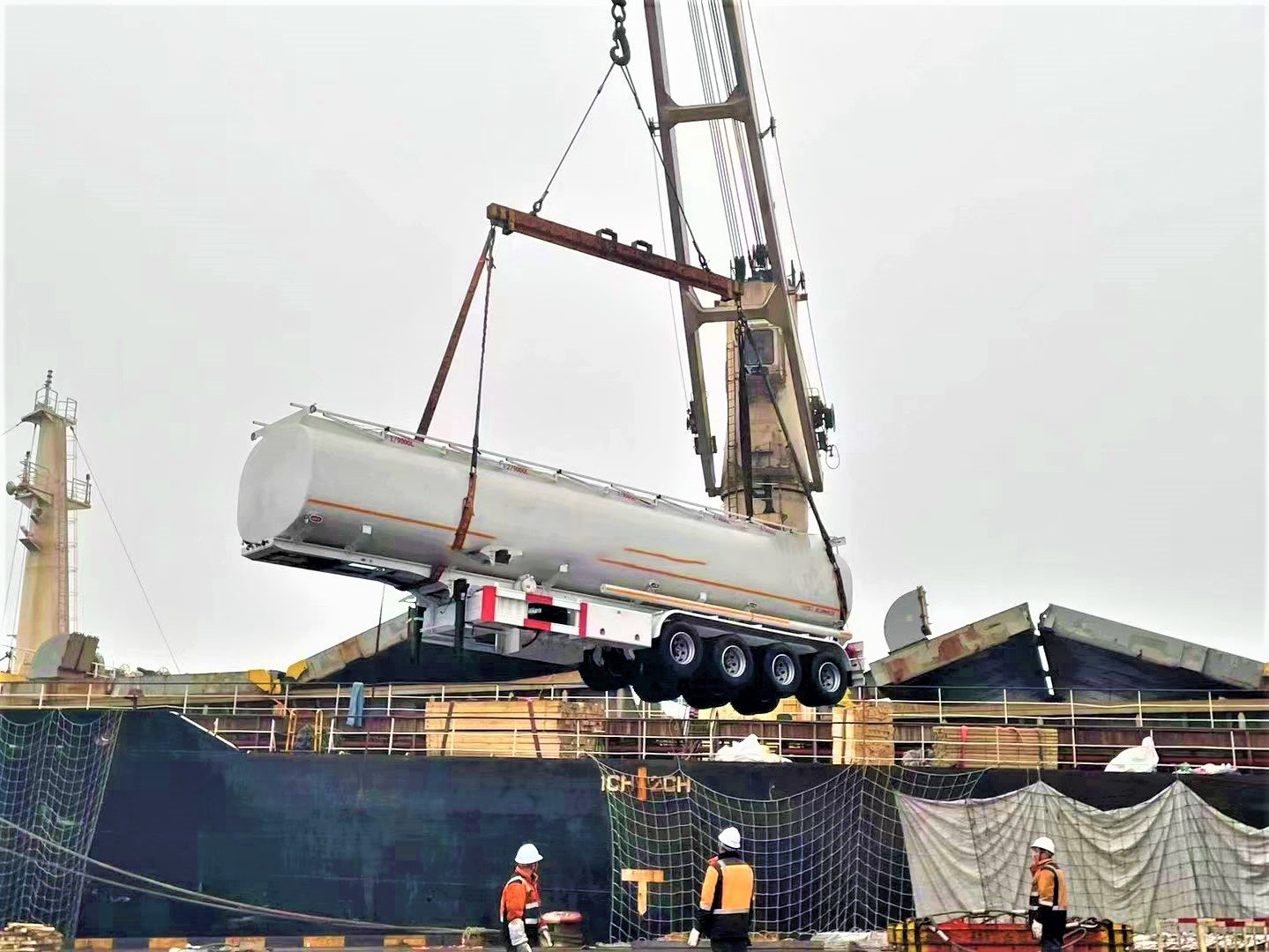
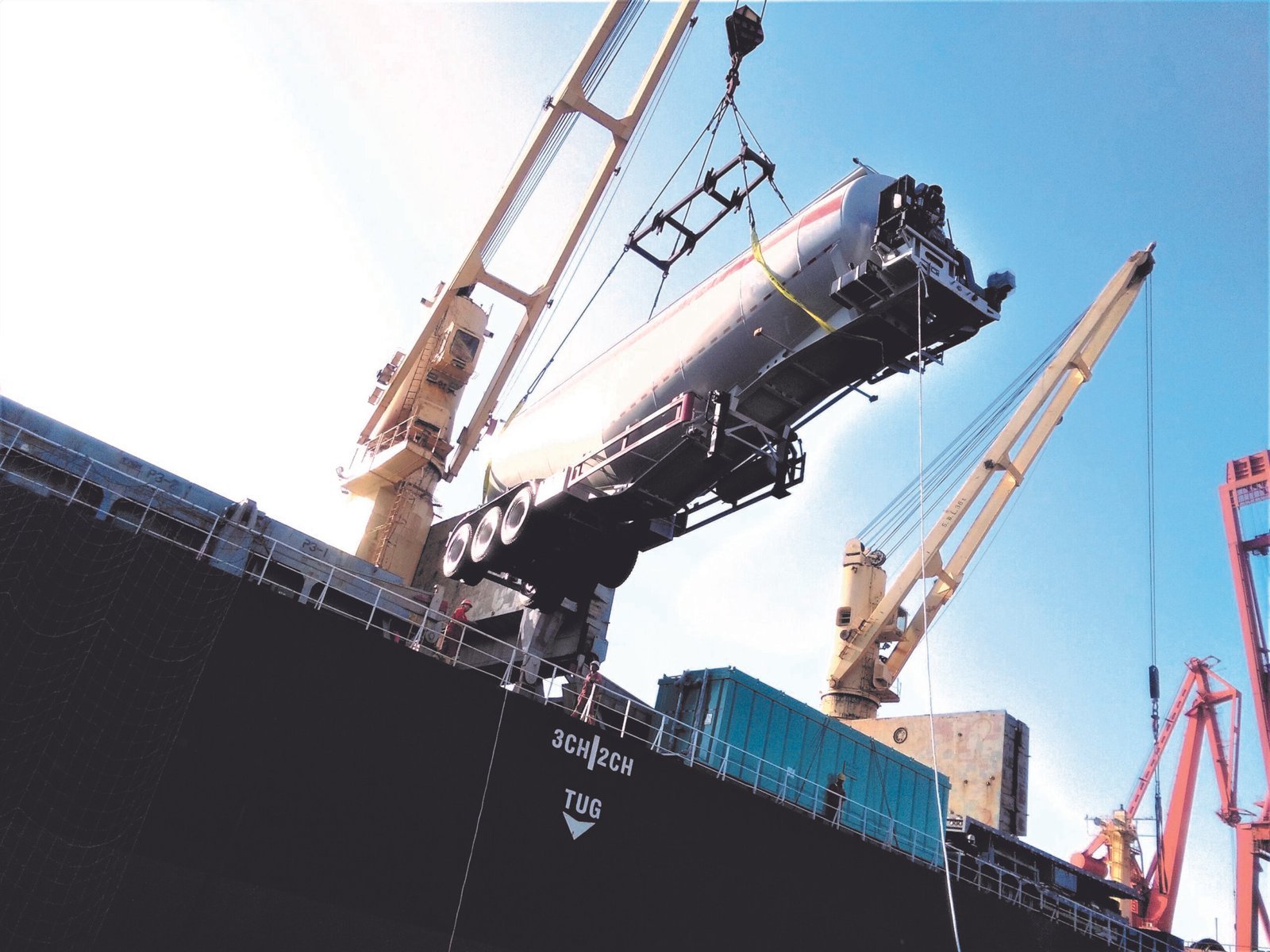
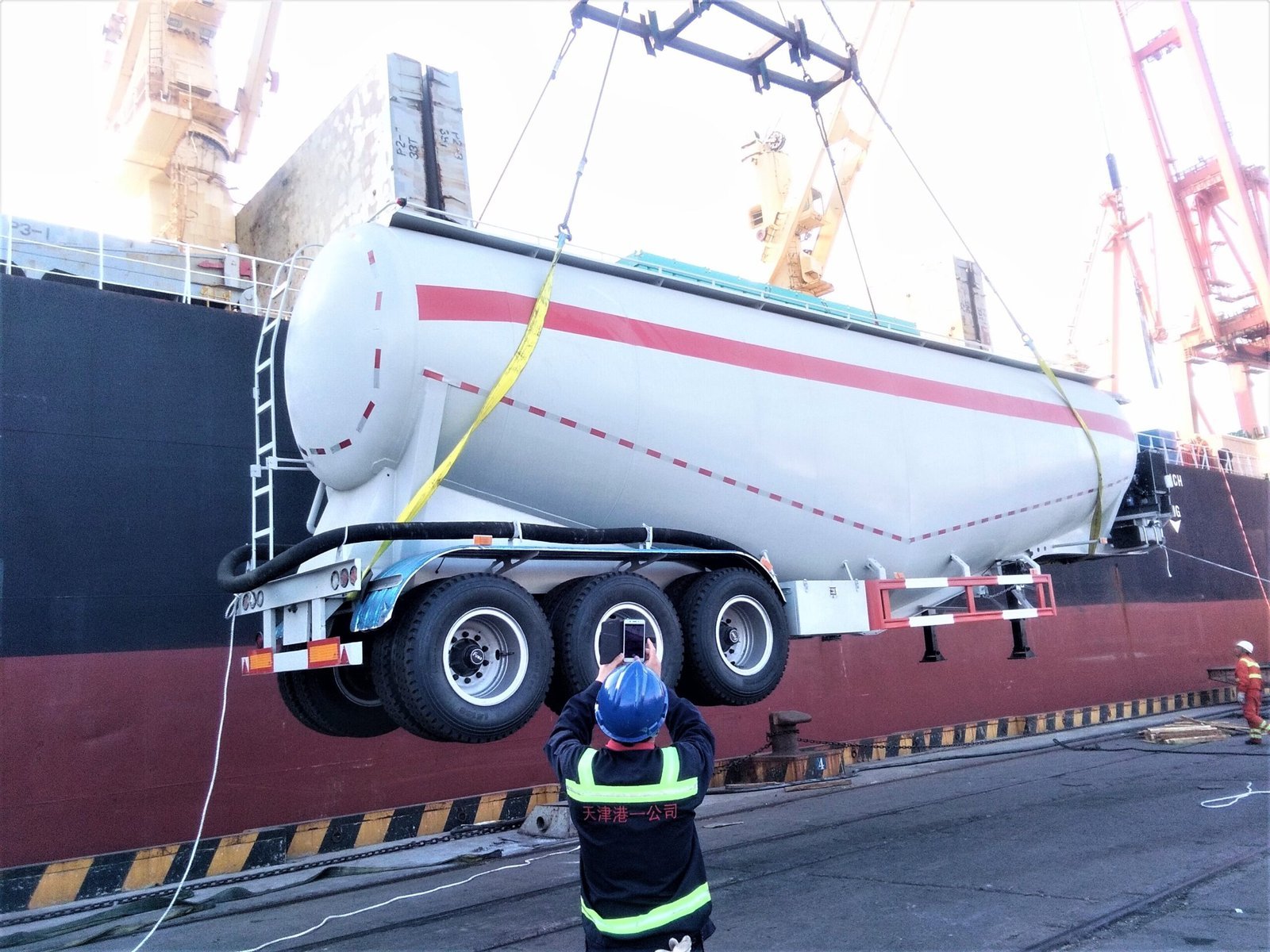

Quality Inspection and Pressure Testing
Before delivery, each fuel tanker trailer undergoes:
Pressure testing
Leak inspection
Dimensional checks
Visual and structural examination
These inspections ensure compliance with export regulations and project safety requirements.
Why Manufacturing Process Matters for Buyers
For oil & gas transportation projects, manufacturing quality directly affects:
Long-term operational safety
Maintenance and repair costs
Regulatory approval in export markets
A well-manufactured tanker trailer reduces downtime and protects both personnel and valuable fuel assets.
Conclusion
In fuel tanker trailer procurement, manufacturing quality is more important than initial price.
Understanding each production stage allows buyers to identify reliable manufacturers and avoid hidden operational risks.
For oil & gas transportation projects, a professionally manufactured fuel tanker trailer is not just equipment—it is a long-term safety investment.