Fuel Tanker Trailer Quality Control for Oil & Gas Transport
ZW Group| 2026-2-11
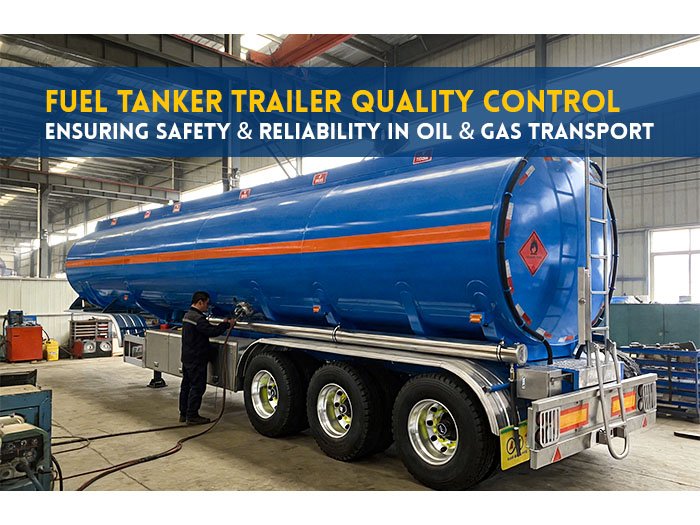
Fuel Tanker Trailer Quality Control Standards for Oil & Gas Transportation
In oil and gas transportation projects, fuel tanker trailers must meet strict quality control standards to ensure safety, durability, and long-term operational reliability. From raw material selection to final inspection, each production stage plays a critical role in preventing leakage, structural failure, and environmental risks.
This article explains how professional manufacturers apply comprehensive quality control systems throughout the fuel tanker trailer manufacturing process.
1. Raw Material Inspection and Steel Selection
Quality control begins with raw material inspection. High-grade carbon steel or alloy steel plates are selected based on international standards and project requirements. Each batch undergoes thickness verification, chemical composition analysis, and surface inspection to ensure consistency and corrosion resistance.
This step ensures the tank body can withstand internal pressure, temperature changes, and long-distance oil and gas transportation conditions.

2. Welding Quality Control and Structural Integrity
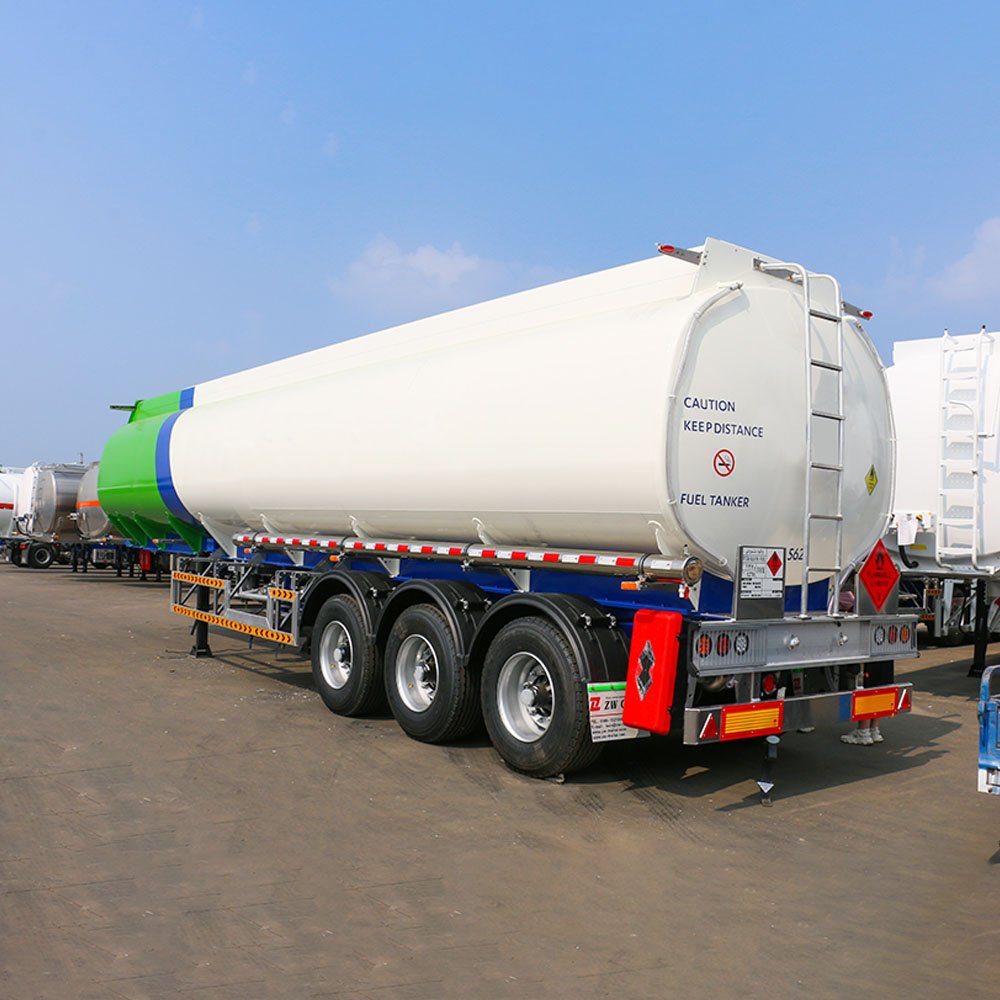
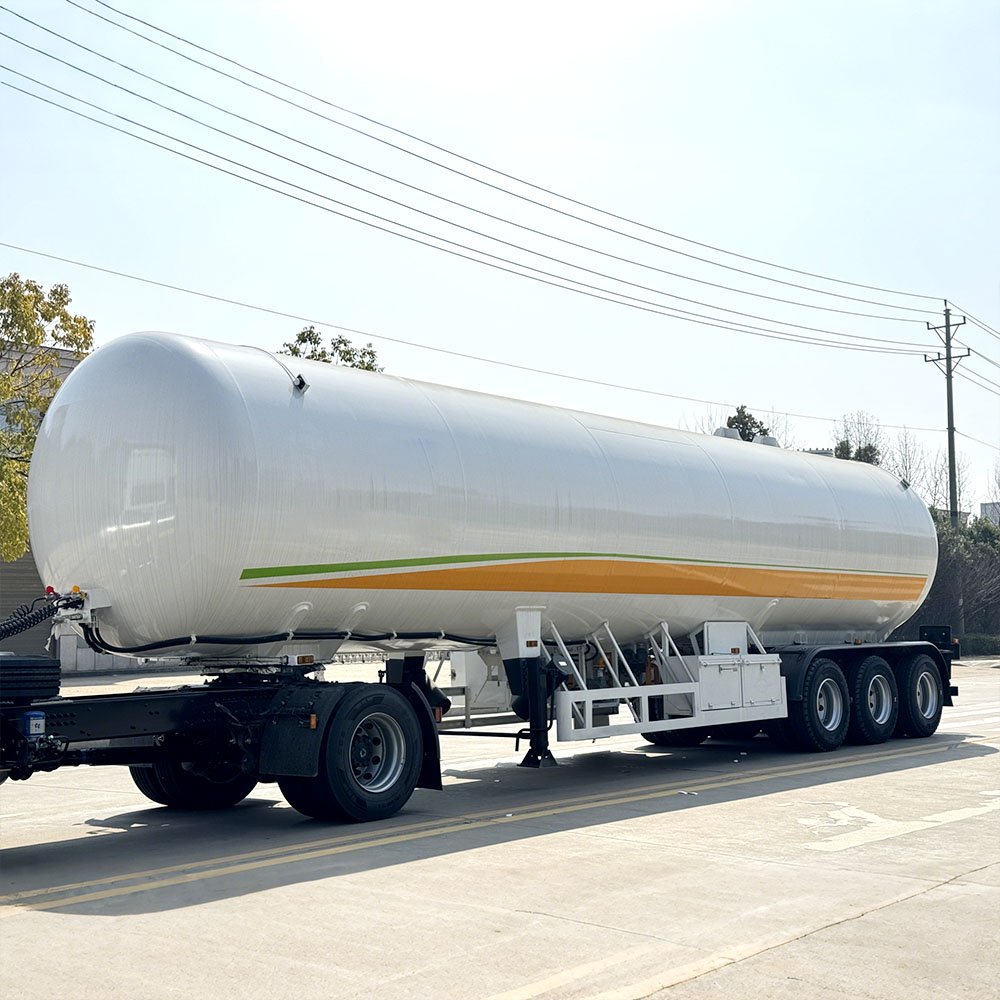
Welding is one of the most critical stages in fuel tanker trailer production. Certified welders and automated welding equipment are used to guarantee uniform weld seams and full penetration.
After welding, non-destructive testing such as ultrasonic inspection or X-ray testing is conducted to detect hidden defects. This process ensures leak-proof performance and long-term structural stability during oil and gas transport operations.
3. Pressure Testing and Leak Detection
Once the tank body is assembled, pressure testing and airtightness inspections are performed. These tests simulate real operating conditions to confirm that the fuel tanker trailer can safely transport diesel, gasoline, or crude oil without leakage.
Only trailers that pass all pressure and leakage tests proceed to surface treatment and final assembly.
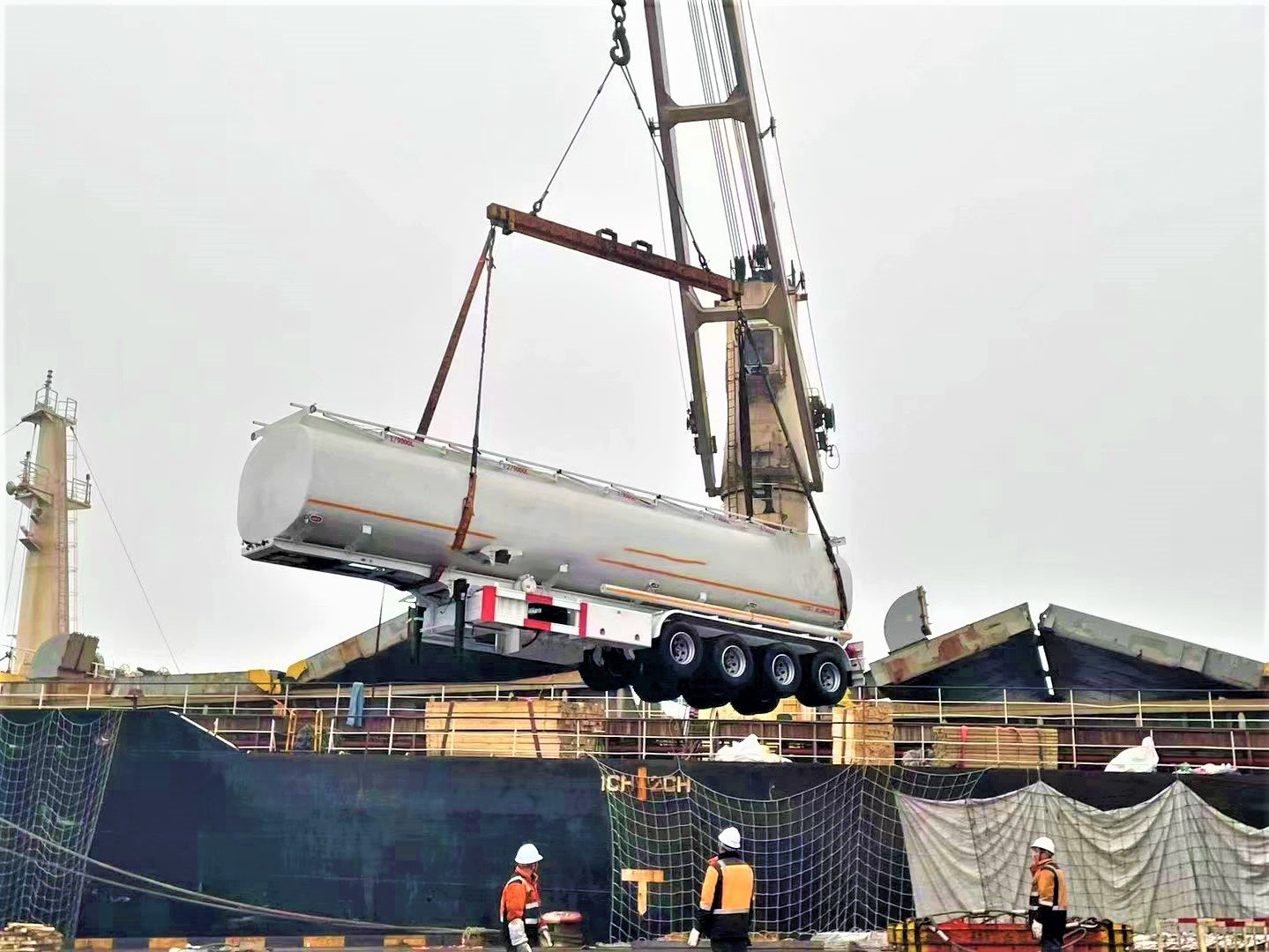
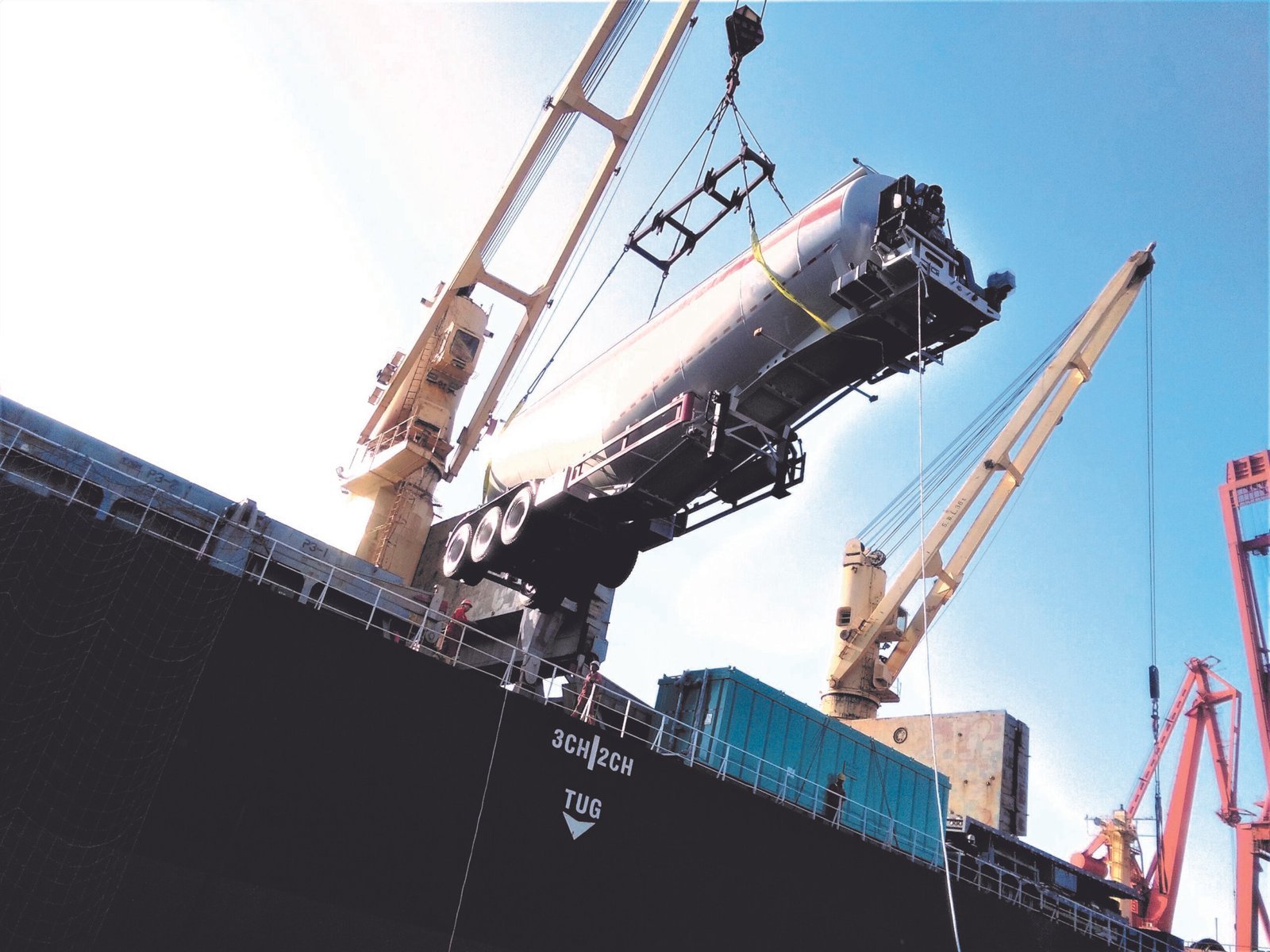
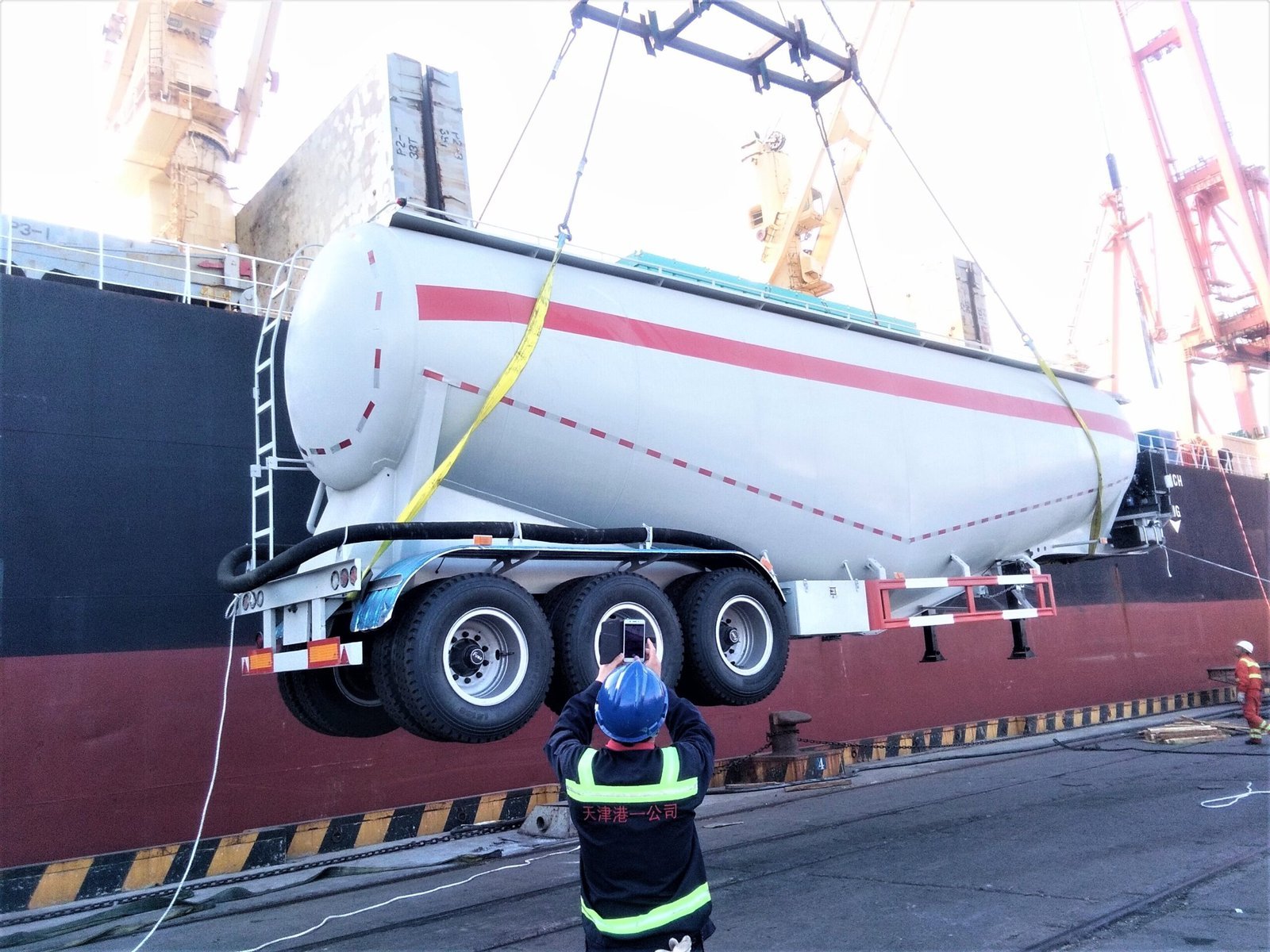

4. Surface Treatment and Anti-Corrosion Protection
Surface treatment is essential for extending the service life of fuel tanker trailers used in oil and gas projects. Sandblasting removes impurities and improves paint adhesion, followed by anti-corrosion coating systems designed for harsh environments.
Proper surface protection reduces maintenance costs and ensures long-term compliance with international transport standards.
5. Final Inspection and Compliance with International Standards
Before delivery, each fuel tanker trailer undergoes final inspection, including dimensional checks, component verification, and documentation review. Quality control teams ensure compliance with relevant international standards and customer specifications.
This comprehensive inspection process guarantees that each trailer is ready for safe deployment in oil and gas transportation projects worldwide.
Conclusion
Strict quality control standards are essential for fuel tanker trailers used in oil and gas transportation. By implementing systematic inspections, advanced testing methods, and professional manufacturing practices, reliable fuel tanker trailers can deliver long-term safety, efficiency, and performance across global markets.|
For more information on oil and gas transportation safety standards, refer to international industry guidelines from recognized energy and transport organizations.