
Which Fuel Tanker Safety Features Matter Most in Extreme Heat?
ZW Group| 2026-8-19

If you operate in desert regions, tropical ports, or inland routes where pavement temperatures stay punishingly high for months, the most important fuel tanker truck safety features hot climate fleets should focus on are the ones that control pressure, reduce ignition risk, protect tires and brakes, and keep the tank stable when the product inside expands. Heat changes how fuel behaves and how truck components wear. A tanker that performs acceptably in mild weather can become far less forgiving when ambient temperatures climb and long-haul conditions stay harsh all day.
A lot of people assume hot-weather tanker safety is mainly about stronger air conditioning for the driver or a heavier-duty engine cooling package. Those matter, but they are not the center of the risk. The bigger issue is that heat affects the cargo, the tank, the running gear, and the small protective systems that prevent a routine trip from turning into a fire, spill, rollover, or roadside breakdown.
Start with pressure control, because fuel expands before most operators notice a problem
When liquid fuel sits in a tanker under high ambient heat, expansion is one of the first concerns. The hotter the product gets, the more stress it puts on the tank and venting system. That makes pressure relief and vapor control features some of the most important items on the truck, not optional extras.
Pressure vacuum relief valves need to be properly specified, maintained, and matched to the cargo and compartment design. In hot climates, these valves are doing real work. If they are poorly maintained, contaminated, or incorrectly sized, pressure can build beyond what operators expect during loading, transport, or parking. The danger is not always dramatic at first. Sometimes it shows up as seal fatigue, vapor loss, odor issues, or repeated component failures before it becomes a major incident.
Emergency venting is another feature that deserves more attention than it often gets. In a fire scenario, emergency vents help prevent catastrophic tank rupture by allowing controlled pressure release. That is true everywhere, but in high-heat service, thermal stress already pushes the system harder, so the margin for neglect is smaller.
A practical point many fleets learn the hard way: pressure control hardware is only as good as the inspection routine behind it. A premium valve on a poor maintenance schedule is not really a premium safety system.

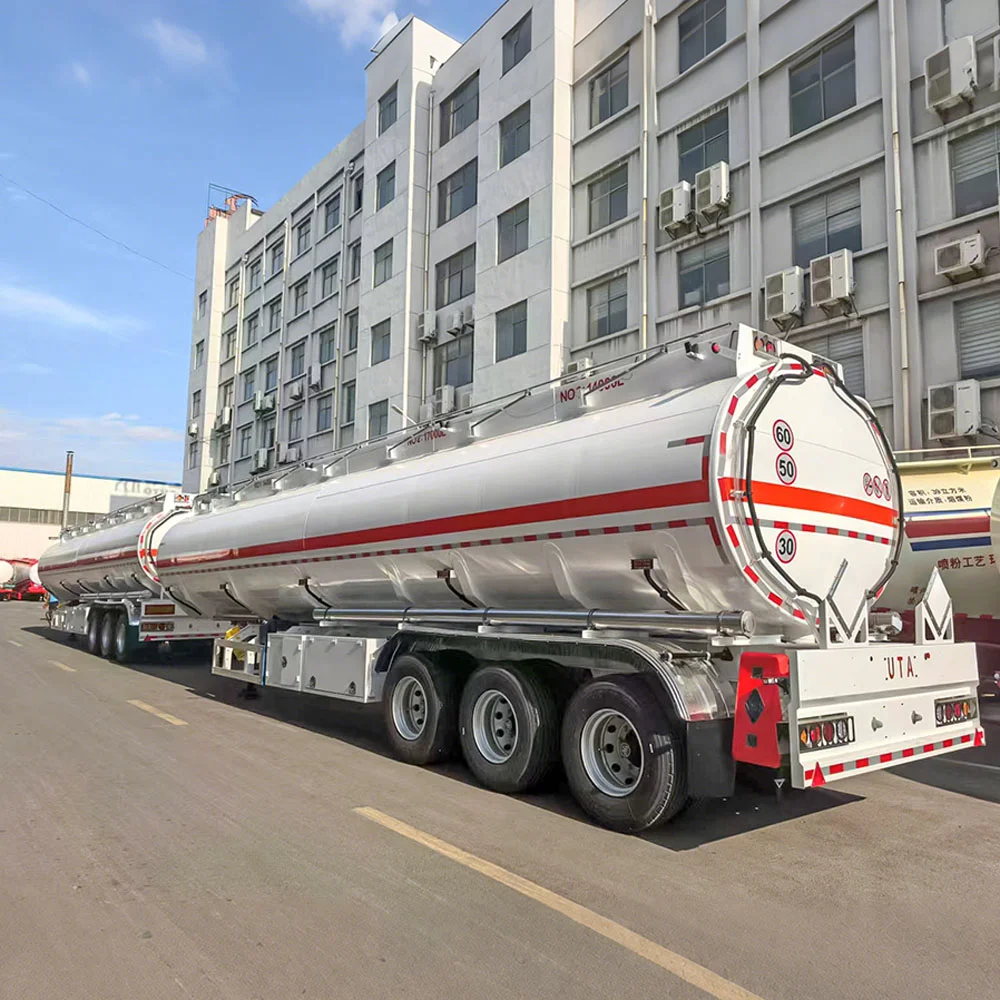
Bottom loading and vapor recovery are especially valuable in hot weather
One of the simplest ways to reduce risk in high-temperature operations is to limit vapor release during loading and unloading. Bottom loading systems help with that by reducing splash loading, lowering static generation risk, and improving operator control. Paired with vapor recovery equipment, they also reduce exposure to flammable vapors around the truck.
That matters more in hot climates because evaporation is more aggressive. The operating environment is already pushing fuel toward vapor formation, so every transfer point becomes more sensitive. Tight couplings, well-maintained seals, and vapor recovery connections are not just environmental or regulatory items. They are core safety features.
If a fleet still treats vapor recovery as something mainly for compliance paperwork, that is usually a sign the specification is lagging behind the operating environment.Avoid these common operational oversights by checking our guide on common mistakes when buying tanker trailers.
Overfill protection is one of the least glamorous features and one of the most important
Overfill prevention systems do not get much attention in sales discussions, yet they are critical on fuel tankers working in hot conditions. Fuel loaded too close to maximum fill leaves less room for thermal expansion. That raises the chance of vent discharge, spills, and product loss once the truck sits in the sun or moves through hotter territory later in the route.
Reliable overfill sensors, shutoff systems, and compartment-level monitoring help prevent that problem before the truck leaves the rack. In practice, this is one of the easiest places to reduce avoidable risk. It is also a good example of why tanker safety is not only about crash protection. A lot of the real safety work happens before the vehicle even pulls onto the road.
Many operators still think “filled legally” always means “filled safely.” In hot climates, that is not a safe assumption unless loading procedures account for product temperature, route conditions, and expected heat exposure during the trip.
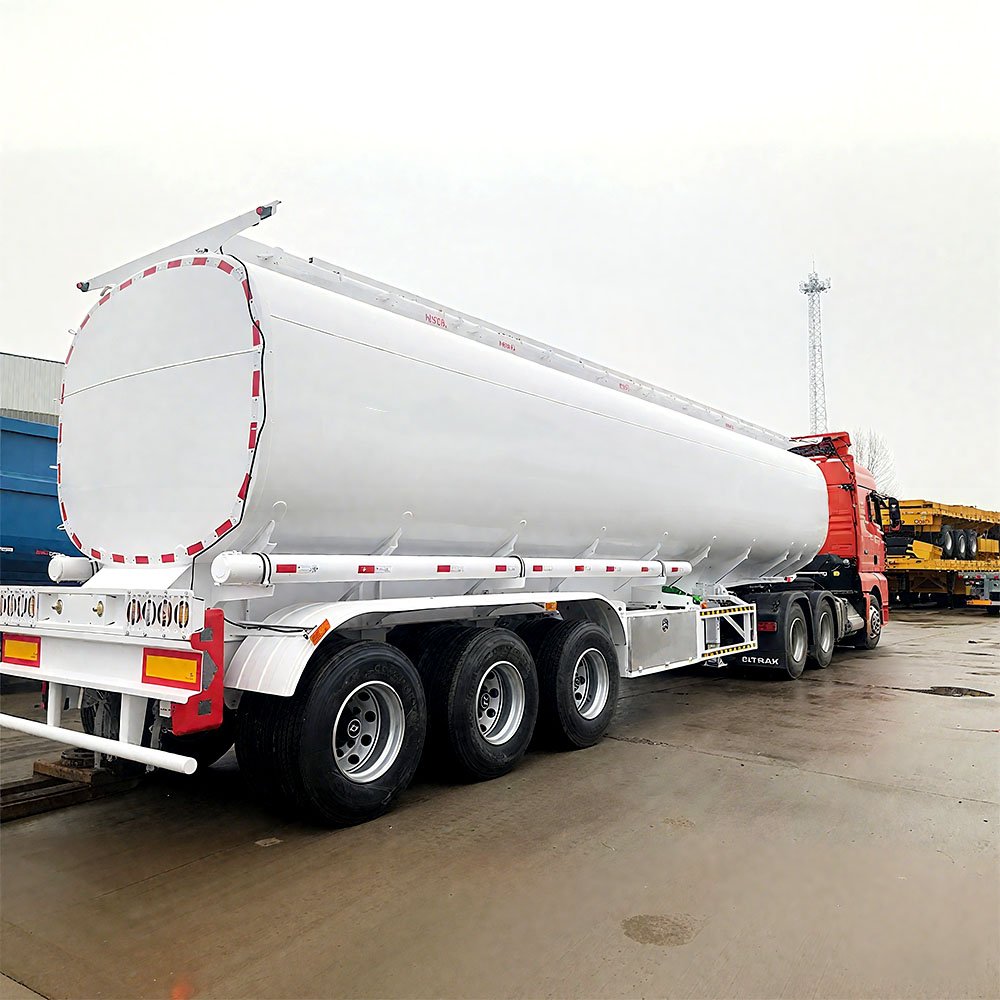
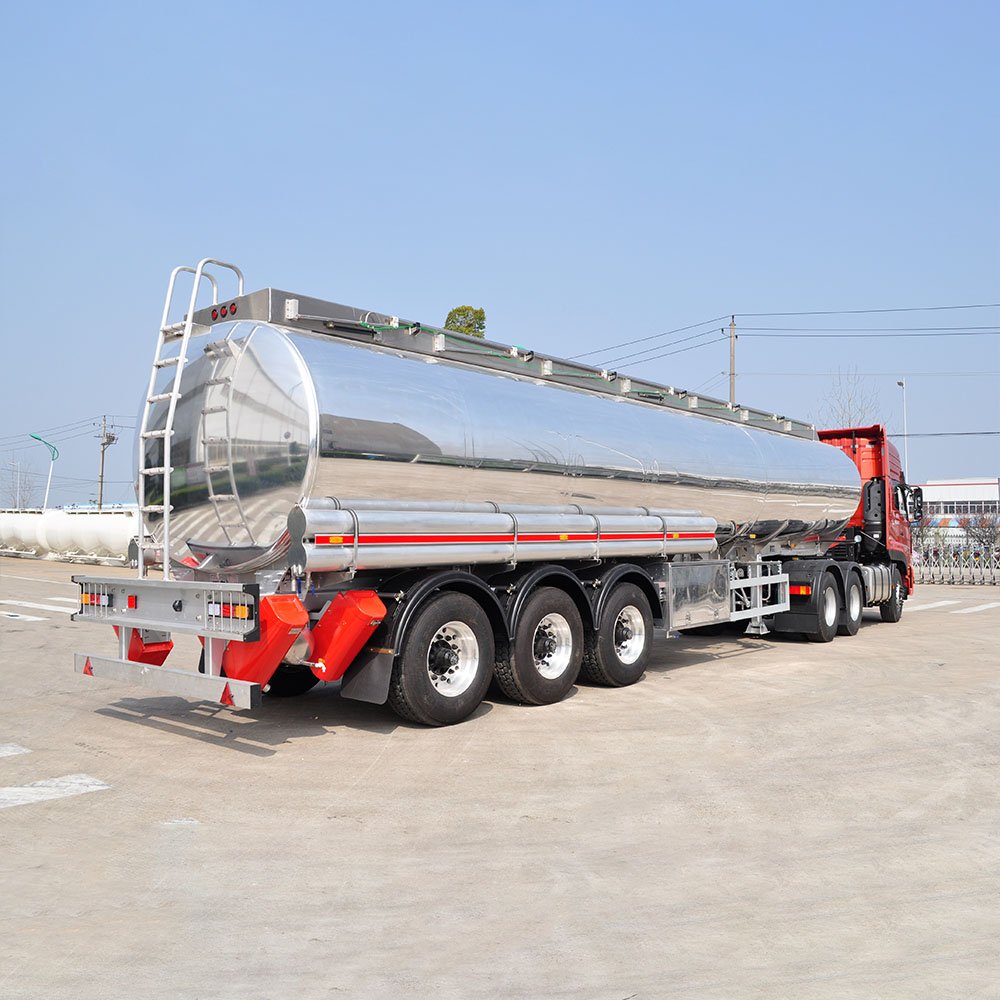
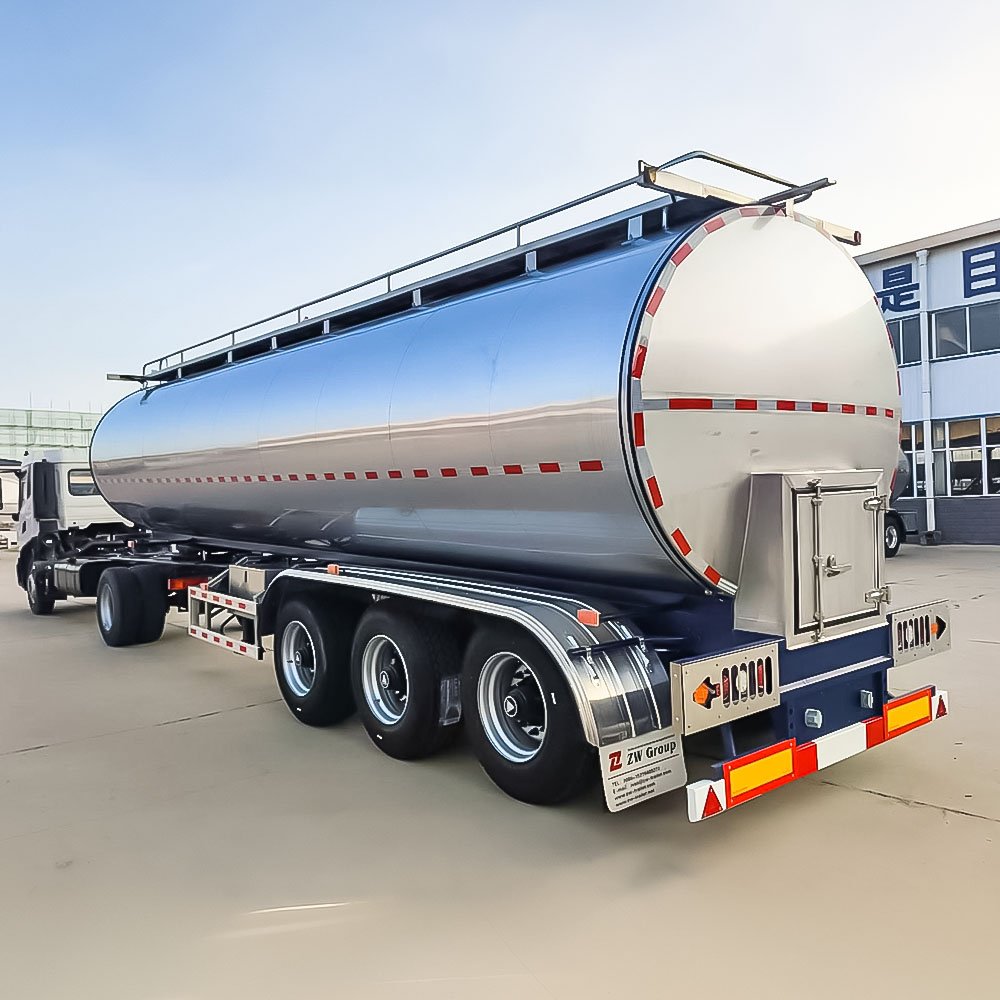
Tires are a frontline safety system on tanker trucks in extreme heat
If I had to name one area that is still underestimated across many fleets, it would be tires. In hot-weather tanker service, tire failures are not just maintenance events. They can trigger rollovers, fires, loss of control, or secondary damage to the tanker shell and piping.
What matters most is not simply buying “good tires.” Fleets need tires with the right load rating, speed rating, heat resistance, and application fit for tanker duty. Correct inflation management is just as important. Underinflation in extreme heat is especially dangerous because it increases sidewall flex, internal heat buildup, and blowout risk.
Tire pressure monitoring systems are highly valuable here. They give drivers and maintenance teams earlier warning before a roadside failure develops. On tanker trucks, that early warning matters more because the consequences of a failure are higher than on many dry freight vehicles.
Also pay attention to wheel-end temperatures and bearing condition. A heat-stressed wheel end can escalate quickly. Some fleets focus heavily on engine data and forget that a hub, brake, or tire issue is far more likely to create an immediate roadside hazard.
Brake performance in heat is not just about stopping distance
Brake systems on fuel tankers in hot climates face two pressures at once: ambient heat and vehicle mass. Add mountain descents, urban stop-and-go traffic, or long queues at terminals, and brake temperatures can climb fast.
What you want is stable brake performance under sustained thermal load. That usually means well-matched braking components, proper brake balance across axles, anti-lock braking systems in good working order, and electronic stability support where available. Brake fade in a loaded tanker is dangerous enough on its own. Combined with liquid surge, it becomes more serious.
Automatic slack adjusters, brake temperature awareness during inspections, and disciplined lining replacement schedules all matter. So does driver technique. Safety features can reduce risk, but they cannot fully compensate for repeated overheating caused by poor downhill control or aggressive braking habits.
Roll stability and surge control become more important as road surfaces heat up
Hot climates often come with another challenge: degraded road surfaces. Softened asphalt, rutting, dust, patched pavement, and sudden edge drop-offs can all affect tanker stability. Because fuel is a moving liquid cargo, slosh and surge have to be managed carefully.
That is why modern anti-roll stability systems and electronic stability control deserve serious attention in tanker specifications. These systems help detect loss-of-control conditions and intervene before a driver can fully react. They are not a replacement for good driving, but they are one of the most valuable active safety features available on tank vehicles.
Internal compartment design also matters. Proper baffling or compartmentalization helps reduce surge forces, especially during braking and evasive maneuvers. This is one of those areas where buyers sometimes focus too much on total capacity and too little on dynamic behavior. A tanker that carries more product is not automatically the safer or better choice for a very hot, rough operating environment.Choosing the right capacity and compartment setup is critical for liquid balance; read our analysis on which capacity range fits different liquid transport needs
Fire prevention starts with bonding, grounding, and control of small ignition sources
When people think about fire risk on fuel tankers, they often imagine major crashes. In reality, smaller ignition sources deserve equal attention, especially during loading, unloading, and maintenance activity.
Effective grounding and bonding systems help control static electricity. In hot, dry regions, static concerns can become more pronounced, particularly where dust, low humidity, and repeated transfer operations are involved. Flame arrestors, protected electrical components, properly routed wiring, and sealed lighting assemblies all support the same goal: do not give vapors an ignition source.
This is also where basic housekeeping matters. Damaged cable insulation, loose connectors, fuel residue around fittings, and neglected seals can turn a technically compliant truck into an operational risk. Heat accelerates aging, so small defects spread faster than many operators expect.
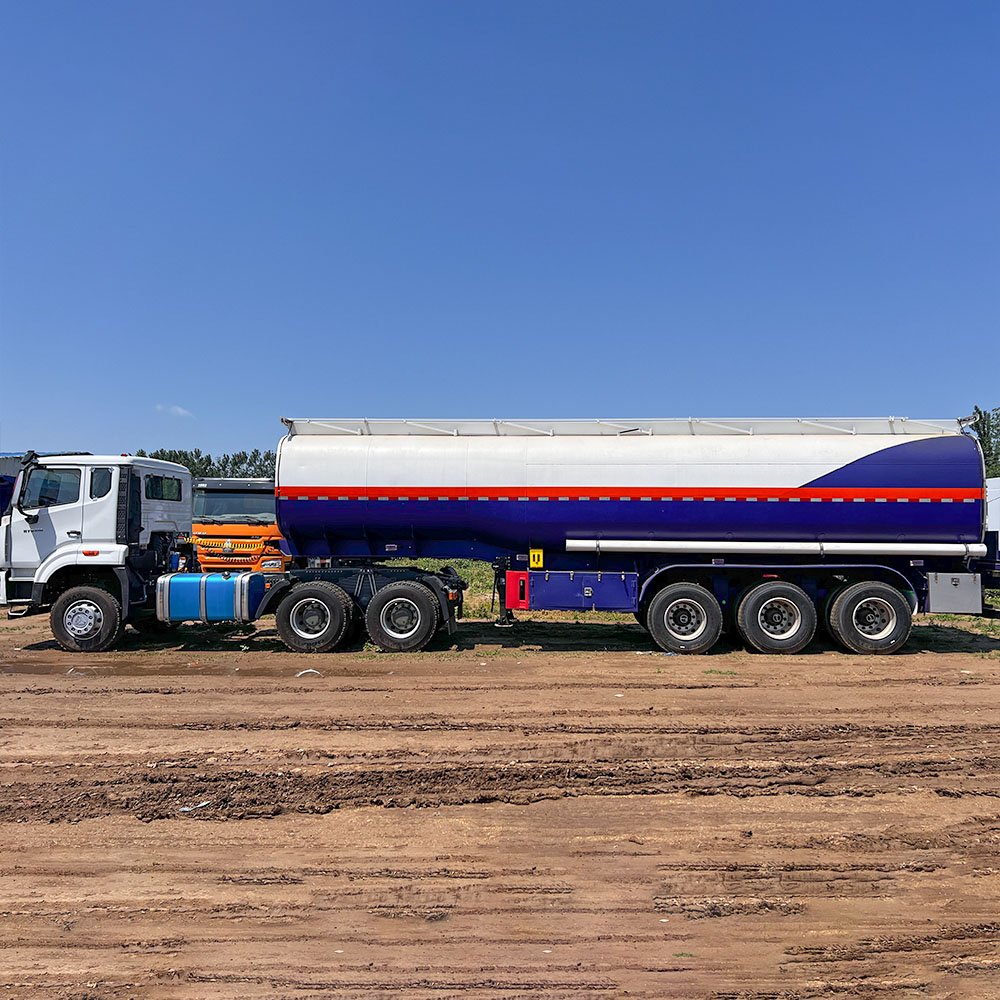
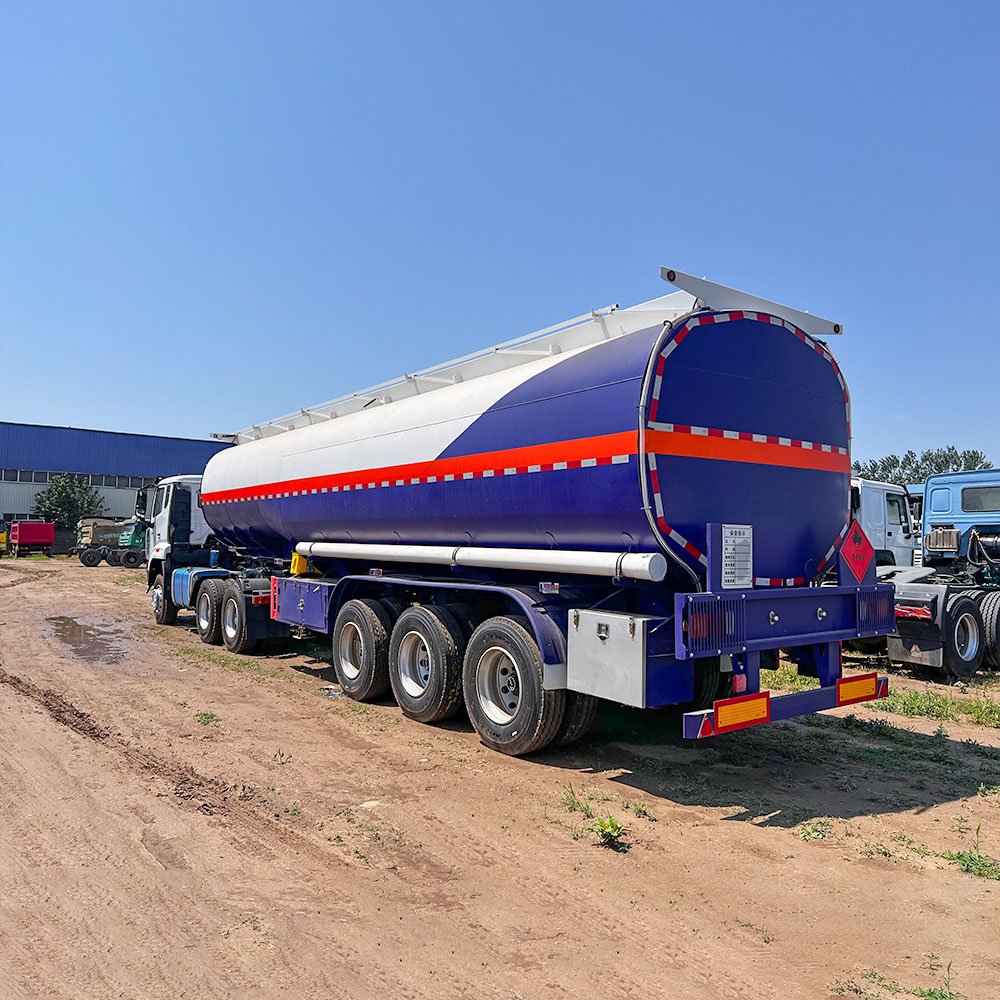
Manlids, seals, hoses, and gaskets deserve more scrutiny in hot-climate fleets
Not every important safety feature looks impressive on a spec sheet. Seals, gaskets, hoses, and manlid assemblies are easy to overlook because they seem minor compared with braking or rollover protection. In high temperatures, they are not minor.
Elastomers harden, crack, or lose sealing performance faster when exposed to heat, UV, and fuel vapor. Once that starts, operators may see seepage, vapor leakage, nuisance maintenance, or loading problems. The safest approach is to specify materials suited for sustained hot-weather chemical exposure and then inspect them on a shorter cycle than you would in milder service.
That is especially true for fleets parked outdoors for long periods. A truck that spends all day under direct sun ages differently from one that runs in cooler regions and returns to covered storage.High-quality materials resist wear longer, which is why we emphasize strict fuel tanker trailer quality control during manufacturing.
The truck should help the driver detect trouble early
The best tanker safety setups do not rely on the driver noticing every problem by instinct alone. Good instrumentation and warning systems make a difference. Tire pressure alerts, brake fault indicators, engine temperature monitoring, trailer ABS alerts, and where applicable, telematics that flag abnormal temperatures or repeated fault conditions can prevent a small issue from becoming a dangerous one.
There is a simple direct answer here: in hot climates, the safest fuel tanker truck is the one that gives early warning on heat-sensitive failures and is built to manage pressure, stability, and ignition risk before the driver is forced into a last-minute response.
Still, technology has limits. If warning systems trigger repeatedly and the fleet keeps clearing faults without root-cause diagnosis, the equipment is not the problem. The maintenance culture is.
What buyers and fleet managers often get wrong
One common mistake is treating all tanker safety features as equal. They are not. Cosmetic upgrades, convenience options, and generic “heavy-duty” claims do not add much if the truck lacks strong pressure management, tire monitoring, rollover control, and reliable transfer safety hardware.
Another mistake is copying a specification from a fleet in a cooler region. A configuration that works well in temperate conditions may need different tire strategy, seal materials, venting attention, and inspection intervals in hot climates.
It is also easy to overfocus on the tanker barrel while underestimating the chassis. Engine cooling, wiring protection, brake durability, suspension condition, and wheel-end reliability all feed into tanker safety. A safe barrel on an overstressed chassis is still an unsafe operating package.
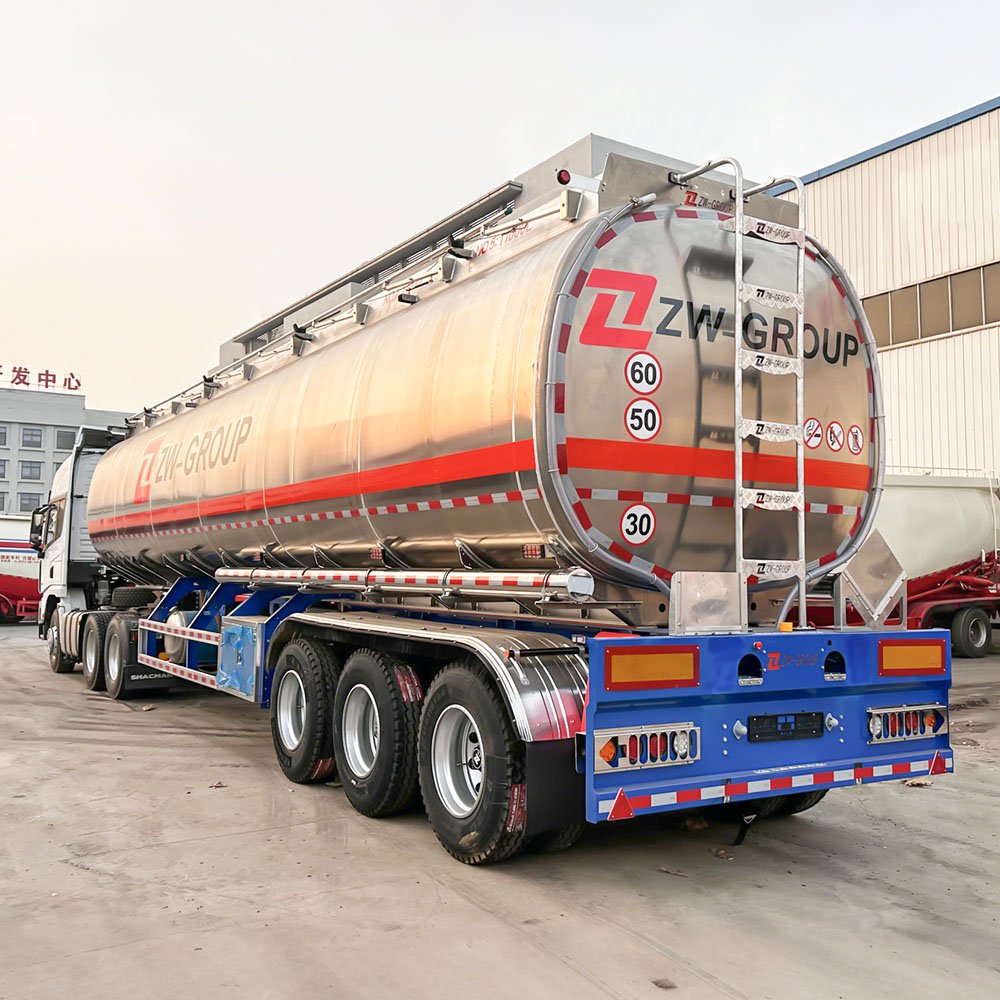
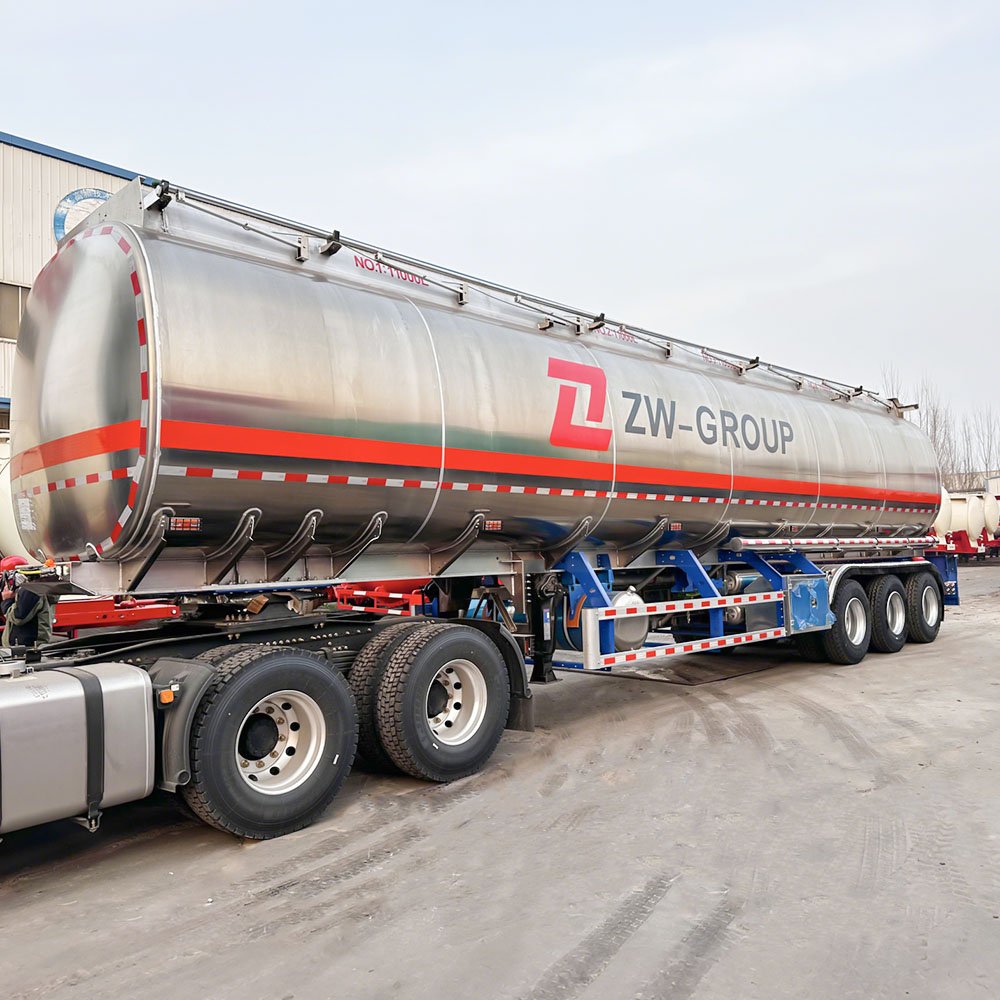
How to judge whether a tanker is really suited for high-temperature service
Before choosing equipment, ask practical questions:
- How does the tank manage thermal expansion during loading, parking, and transport?
- What overfill, venting, and vapor recovery systems are fitted, and how easy are they to inspect?
- Are the tires, wheel ends, and brakes specified for sustained high-heat duty?
- Does the truck include roll stability support and reliable ABS functionality?
- What seal, hose, and gasket materials are used in fuel-contact and vapor-contact points?
- How quickly can drivers and technicians detect abnormal heat, pressure, or brake issues?
If suppliers cannot answer those questions clearly, the truck may not be well matched to the operating environment.
The best fuel tanker truck safety features hot climate fleets invest in are usually not the flashiest ones. They are the features that quietly control expansion, contain vapors, maintain traction and braking, reduce rollover risk, and survive relentless thermal stress day after day. In real operations, that is what keeps cargo moving safely and keeps minor defects from becoming major incidents.
FAQ
Is a larger tanker automatically riskier in hot climates?
Not automatically, but larger capacity increases the importance of proper compartment design, loading discipline, and stability control. Capacity without good surge management can raise risk.
Do hot climates require different maintenance intervals?
Often yes. Tires, seals, hoses, brakes, and venting components may need closer inspection because heat accelerates wear and material aging.
Are tire pressure monitoring systems worth it on fuel tankers?
Yes, especially in extreme heat. They help catch underinflation and overheating early, which is critical on vehicles carrying flammable cargo.
What matters more: fire protection or rollover protection?
Both matter, but rollover prevention often deserves more daily attention because many serious tanker events begin with loss of stability, tire failure, or braking issues before fire becomes a factor.
Can standard tanker specifications work in desert or tropical service?
Sometimes, but they should not be assumed suitable. Heat, UV exposure, road conditions, and long idle periods can justify different materials, monitoring, and inspection practices.