
Why a Nigeria Client Chose HOWO Truck and Fuel Tanker?
ZW Group| 2026-3-10

When a Nigeria client decided to upgrade their logistics fleet, reliability, durability, and efficiency were key factors influencing their choice. The HOWO tractor truck and fuel tanker semi-trailer proved to be the ideal solution, offering outstanding performance for long-distance transportation and fuel distribution. This article explores why the client chose these vehicles, highlighting their superior design, fuel efficiency, and adaptability to Nigeria’s demanding road and business conditions.
Understanding Nigeria’s Road Transport Challenges
Nigeria’s transport infrastructure covers over 195,000 kilometers of road, but less than 30% are paved and in consistently good condition. For logistics companies, the combination of varying terrain and high fuel costs creates substantial operational challenges. Vehicles must handle extreme heat, rough rural routes, and long-distance routes of over 800 kilometers daily while maintaining high safety and payload standards.
In addition, Nigeria’s growing economy has amplified logistics demand, particularly for the transportation of petroleum products. Fuel distribution accounts for approximately 40% of heavy-duty truck usage in some regions. These realities mean buyers prioritize fuel efficiency of at least 10% better per ton-kilometer compared with older models to remain competitive.
Another vital consideration is maintenance accessibility. Unscheduled downtime can reduce operating efficiency by up to 20%. Trucks built with standardized components and easily available parts significantly reduce the mean time to repair (MTTR), which in logistics can be the difference between profitability and loss.
Given these factors, the client in Nigeria needed a transport solution that offers steady performance under heavy demand, minimal maintenance intervals (targeting 10,000–15,000 km between servicing), and excellent load-bearing ability. This is where HOWO’s engineering standards provide measurable advantages.
Key Performance Advantages of HOWO Tractor Trucks
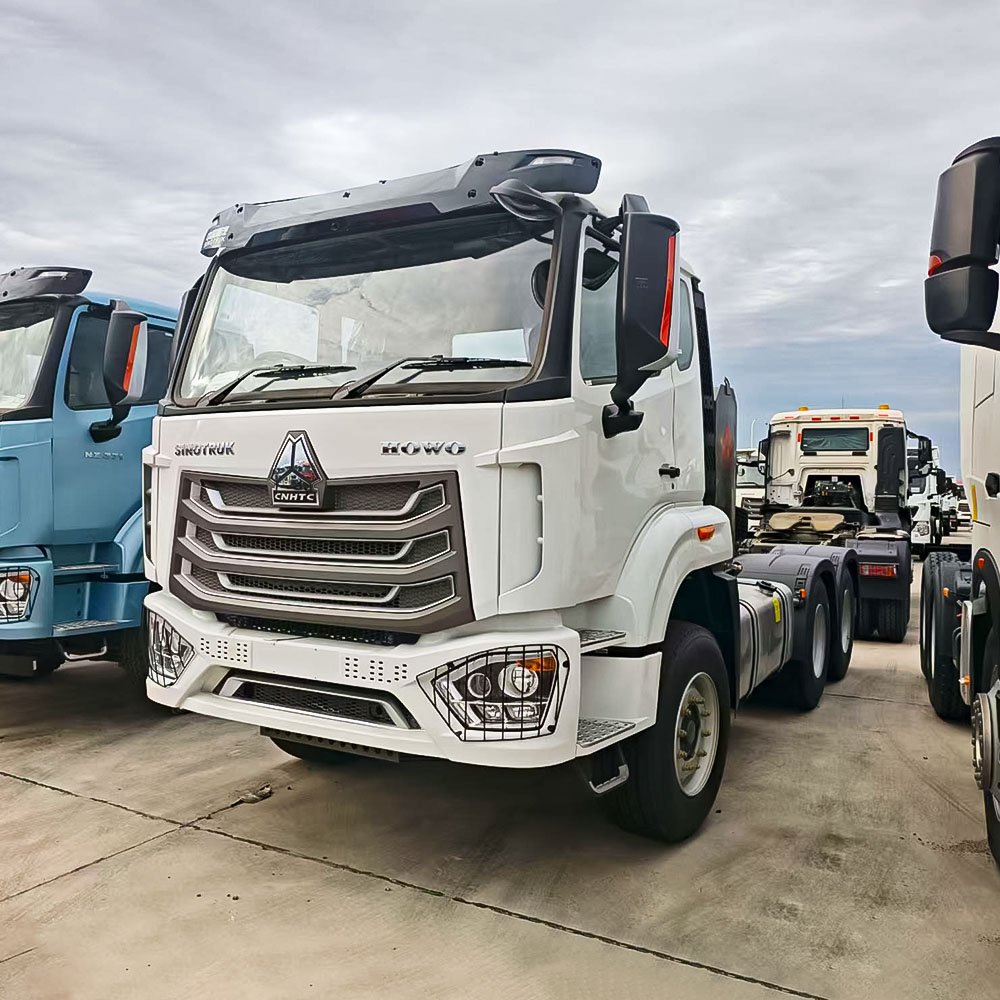
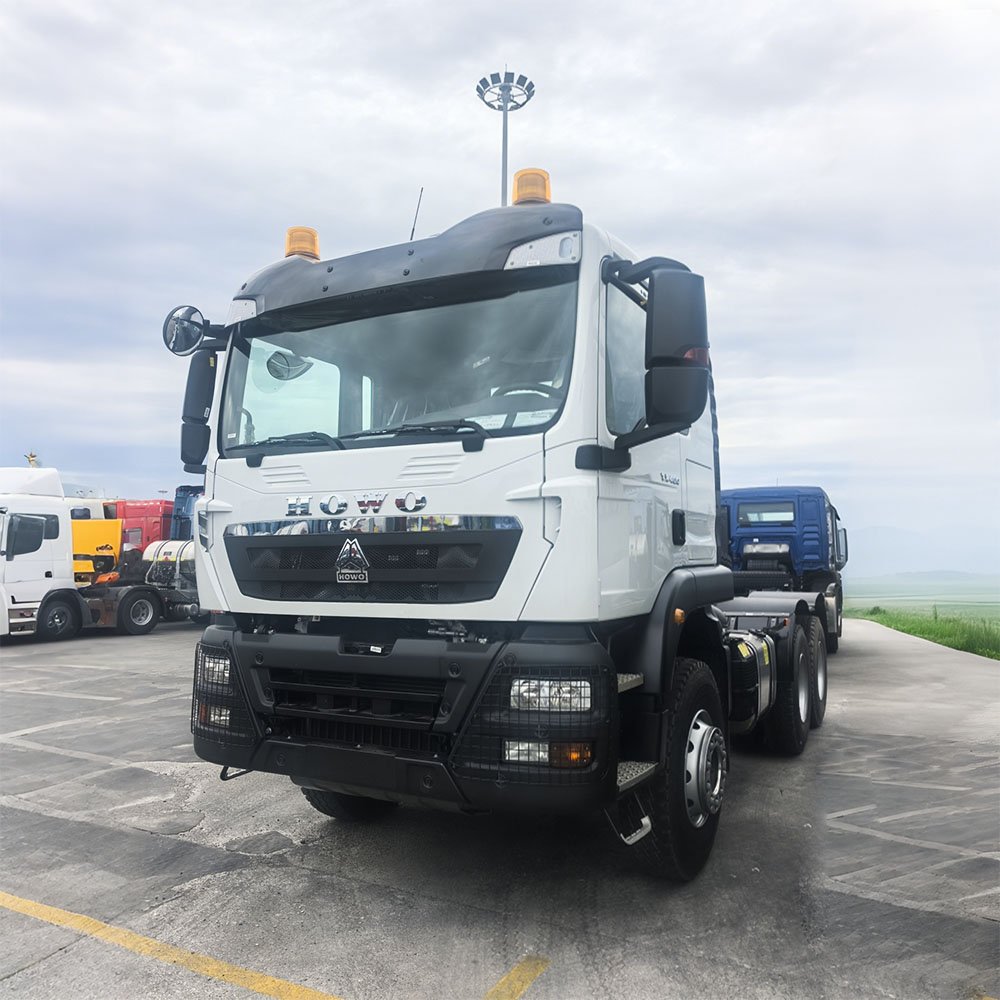
HOWO tractors are known in the transport industry for their balance between strength and economy. Equipped with engines around 336–420 horsepower, they deliver high torque at low RPM, allowing consistent pulling power on gradients up to 12%. This capability is particularly useful on Nigeria’s intercity highways that have multiple elevation changes.
Durability is another prominent feature. The main chassis is built from high-tensile steel with a yield strength above 600 MPa, enabling it to carry rated loads exceeding 35 tons with solid stability. Combined with air-assisted braking systems and 6×4 or 8×4 drivetrain configurations, HOWO units maintain vehicle control even under tough conditions.
Fuel efficiency is a major purchasing factor. Compared to earlier models, modern HOWO tractors reduce fuel consumption by approximately 8–12% depending on the terrain. For a typical annual mileage of 100,000 km, this efficiency can translate into fuel cost savings of up to ₦2 million annually per vehicle.
To illustrate, the following table outlines a comparison between key specifications that influenced the client’s decision to select HOWO:
| Feature | HOWO Tractor Truck | Typical Competitor |
|---|---|---|
| Engine Power | 380 hp – 420 hp | 340 hp – 360 hp |
| Fuel Consumption (L/100 km) | 28 – 32 | 33 – 37 |
| Maintenance Interval | 15,000 km | 10,000 km |
These data points demonstrated quantifiable advantages for the Nigerian client. In fuel transport logistics, improvements as small as 5% in consumption or uptime can deliver a full return on investment within 18–24 months. Therefore, HOWO’s efficiency figures provided a compelling economic rationale for purchase.
Fuel Tanker Semi-Trailer Features and Configuration
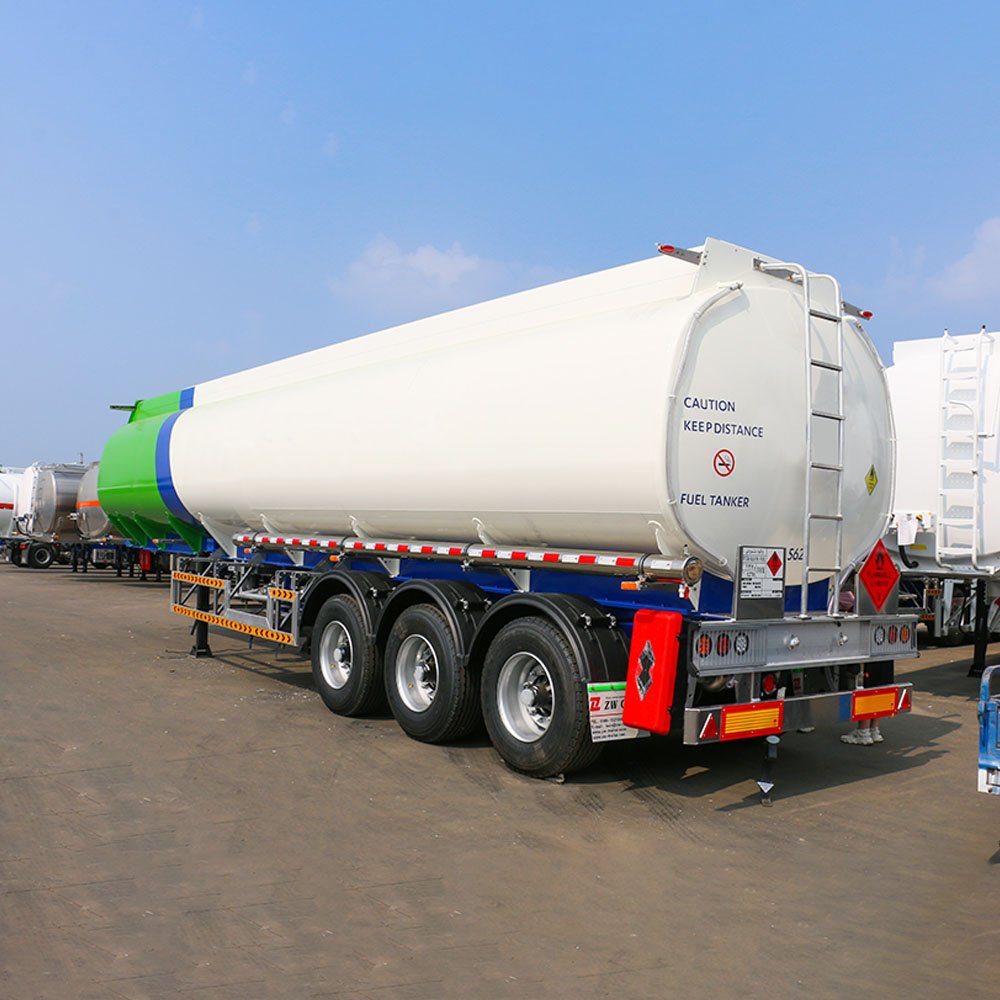
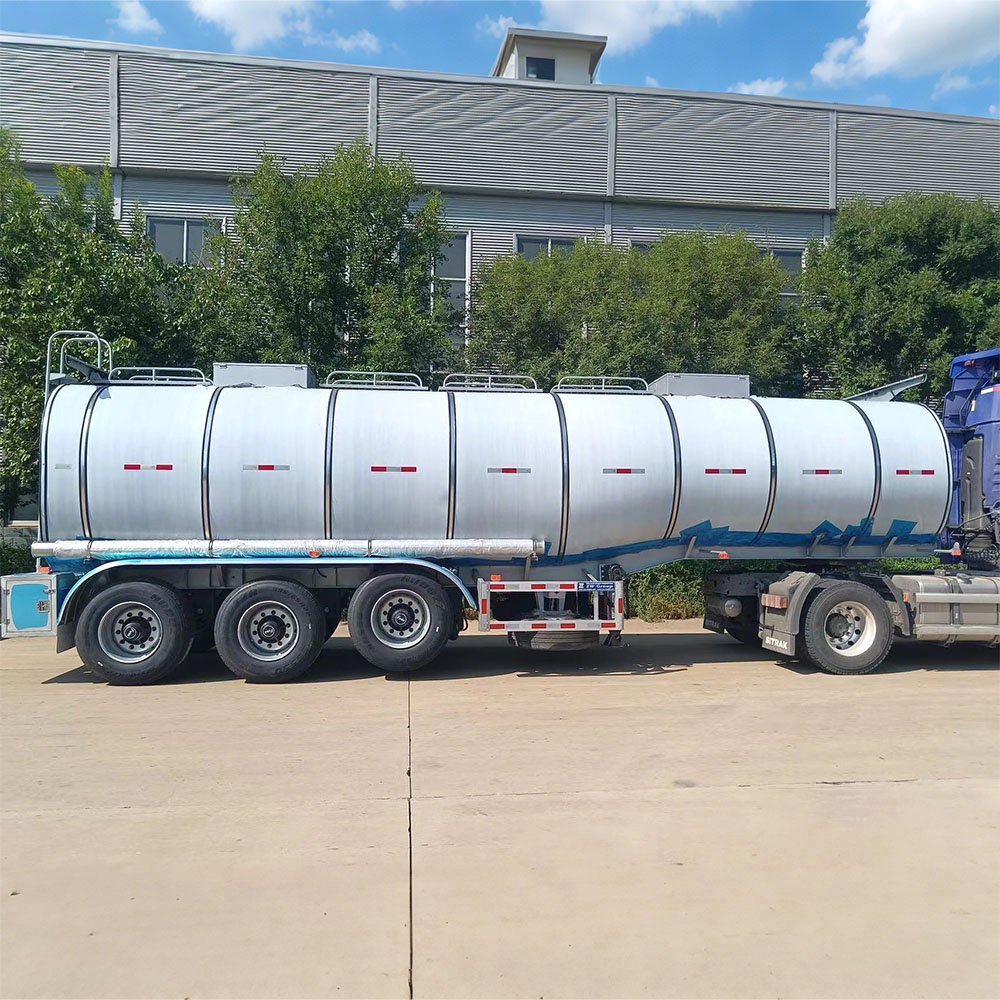
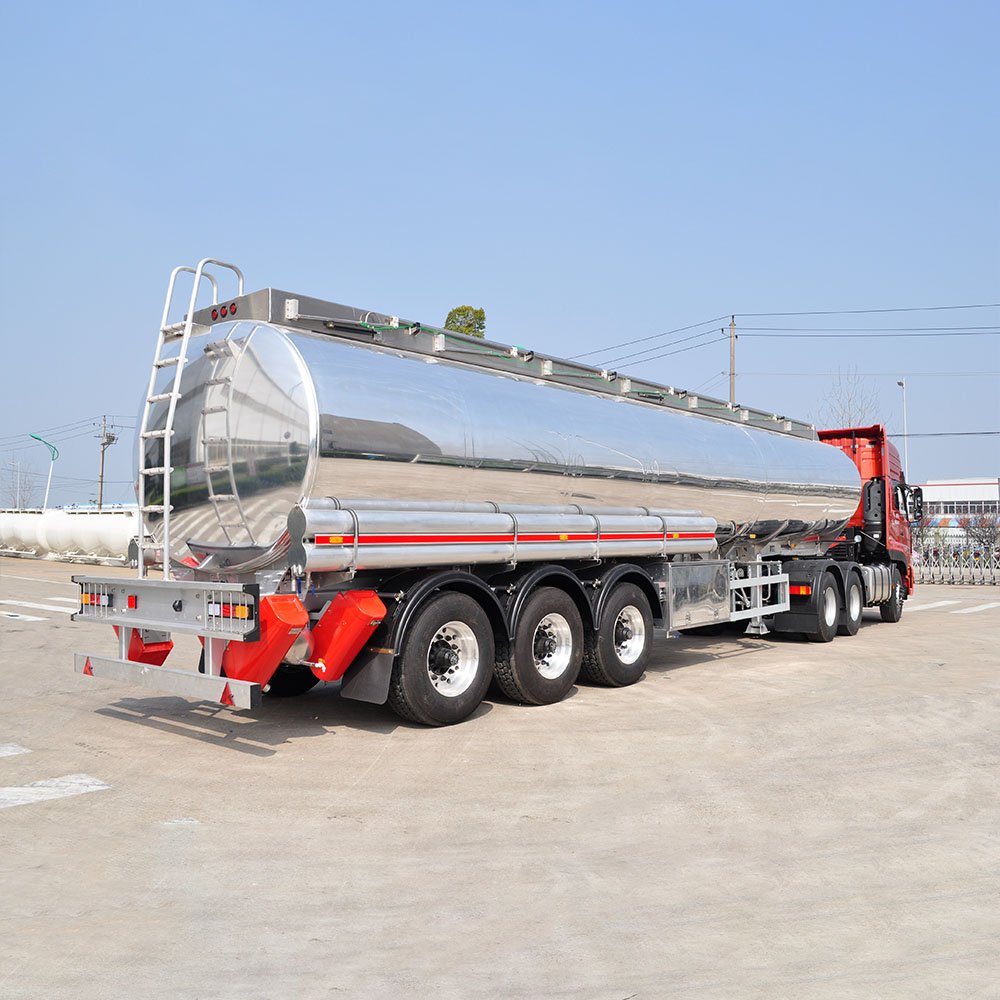
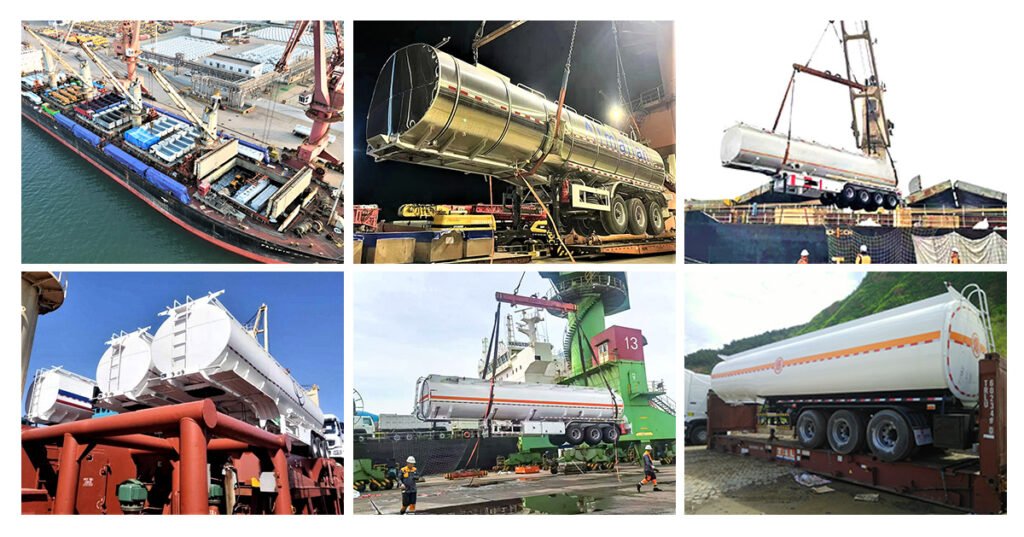
Transporting petroleum requires equipment built with precision safety standards. The HOWO-compatible fuel tanker semi-trailer in this case had a capacity of 45,000–50,000 liters, with compartments allowing multigrade loading. Each tanker meets ADR-equivalent construction standards with double-sealed manholes, emergency cut-off valves, and anti-static grounding systems to mitigate ignition risks.
The material composition was optimized for local conditions. The tank body used 5–6 mm aluminum alloy or carbon steel depending on fuel type, reducing overall tare weight by approximately 1.2 tons while maintaining the 0.7 MPa pressure standard in transit. The suspension system and tri-axle layout improved directional stability even under loads exceeding 45 tons.
Control and monitoring systems were an additional factor. The vehicle offered real-time level gauges with ±0.5% accuracy, temperature monitoring, and an optional GPS integration enabling fleet tracking across Nigeria’s roughly 920,000 km² territory. This integration helps dispatchers monitor fluid loss and fuel delivery schedules more efficiently.
The client noted the importance of shorter loading cycles. With pneumatic discharge systems maintaining flow rates of 400–600 L/min, refueling operations reduced dwell times by up to 15 minutes per stop compared to older trailers. This allows a single vehicle to complete two additional trips weekly, directly expanding revenue potential.
Below is an overview comparing trailer configuration highlights relevant to the procurement evaluation:
| Specification | HOWO Fuel Tanker Trailer | Industry Average |
|---|---|---|
| Capacity (Liters) | 45,000 – 50,000 | 38,000 – 45,000 |
| Flow Rate (L/min) | 400 – 600 | 300 – 400 |
| Tank Material | Aluminum Alloy / Carbon Steel | Mostly Carbon Steel |
The numerical advantages provide a clear value proposition. Reducing vehicle weight and improving flow rates directly cut operation costs, while higher durability lowers total lifecycle expenses estimated at ₦1.5–2 million over five years.
Procurement and Implementation Considerations
For the Nigerian client, procurement decisions extended beyond vehicle price alone. Lifecycle performance, resale value, and technical support coverage were part of a 5-step evaluation matrix. Each phase involved local testing and supplier audits to ensure compliance with the country’s transportation safety regulations under the Petroleum Products Marketing framework.
The purchase process followed a structured flow:
- Needs assessment and fleet capacity modeling for projected 5-year growth.
- Technical specification matching using engine power, axle configuration, and payload curves.
- Trial operation period of 90 days, recording fuel consumption and uptime ratios.
- Supplier after-sales audit, verifying service response time under 48 hours.
- Final negotiation covering warranty terms (typically 12–24 months) and training packages.
This procurement logic ensured transparency and measurable ROI targets. During trials, the HOWO units achieved 95% uptime over three months, surpassing the preset benchmark of 90%. Moreover, spare parts delivery across regional depots averaged within 5–7 working days, meeting the logistics company’s response threshold.
Maintenance records indicated service intervals every 12,000–15,000 km, aligning with the manufacturer’s recommendations, reducing annual service sessions by two compared with the replaced fleet. For operations managing 20 vehicles, that represents about 40 maintenance events saved yearly, freeing over 200 man-hours.
Beyond product performance, long-term collaboration with suppliers ensuring localized support helps mitigate supply-chain risk. In regions where import lead times can stretch to 10–14 weeks, having certified regional service centers offered substantial strategic value.
Maintenance Practices and Lifecycle Optimization
The profitability of transport assets depends greatly on systematic maintenance. For heavy-duty trucks and fuel tankers, proper inspections can extend service life by up to 20%. The client structured a maintenance plan combining preventive and predictive elements based on telematics data.
The program comprised four service checkpoints:
- Routine inspection every 5,000 km for tires, brakes, and coupling units.
- Lubrication and filter replacement every 10,000–12,000 km.
- Hydraulic and fuel line pressure test every 20,000 km.
- Comprehensive chassis alignment biannually or every 50,000 km.
Adopting this practice reduced unscheduled failures from 4 cases per quarter down to 1 within six months. Furthermore, using OEM-grade fluids and spares improved fuel efficiency stability within ±2%, maintaining consistent performance indicators across the fleet.
Lifecycle optimization also involves driver training. Fuel-saving driving techniques can save up to 5% fuel, effectively reducing around ₦400,000 in annual expenses per unit. The client integrated these practices internally, supporting both safety compliance and cost efficiency targets.
FAQs About Selecting HOWO Tractor Trucks and Tankers
How long is the delivery cycle for HOWO trucks in West Africa?
Typically, the lead time ranges between 6–10 weeks, depending on customization such as horsepower rating or axle type. Stock models in regional distribution centers can sometimes be delivered within 3–4 weeks, given proper documentation.
What are key parameters buyers should evaluate before purchasing?
Buyers should consider four key dimensions: engine capacity (in hp), gross vehicle weight rating (typically 55T GCW for 6×4 units), fuel economy (target under 32 L/100 km), and after-sales support network. Evaluating these points prevents costly under-spec or improper load matching.
Are HOWO tankers compatible with petroleum safety standards?
Yes. The brand’s designs conform to ADR-equivalent construction norms, include anti-static protection, and support optional fire suppression or vapor recovery systems suitable for Nigeria’s Petroleum Equalization Fund guidelines.
What financing options are commonly used for fleet acquisition?
Most Nigerian logistics firms opt for lease-to-own programs over 36–48 months, often requiring a 20–30% advance payment. Bank-supported import lines can further reduce cash flow pressure, improving mid-term fleet turnover efficiency.
Conclusion and Next Steps
The Nigerian client’s choice of HOWO tractor trucks and fuel tanker semi-trailers was driven by quantifiable gains in performance, fuel efficiency, and lifecycle cost control. The combination addressed local challenges—rough terrain, long distances, and heavy workload—while supporting strategic objectives of reliability and scalability.
In the transportation sector, where uptime and operating cost determine competitiveness, the HOWO product line offers a balanced solution for fleet operators seeking dependable results. Leveraging proven design, favorable economics, and strong after-sales networks makes it a sustainable investment for logistics and fuel distribution businesses across West Africa.
To explore specific models, configuration options, or customized fleet solutions, interested buyers are encouraged to contact the authorized distributor for Nigeria and request a detailed quotation and technical consultation today.