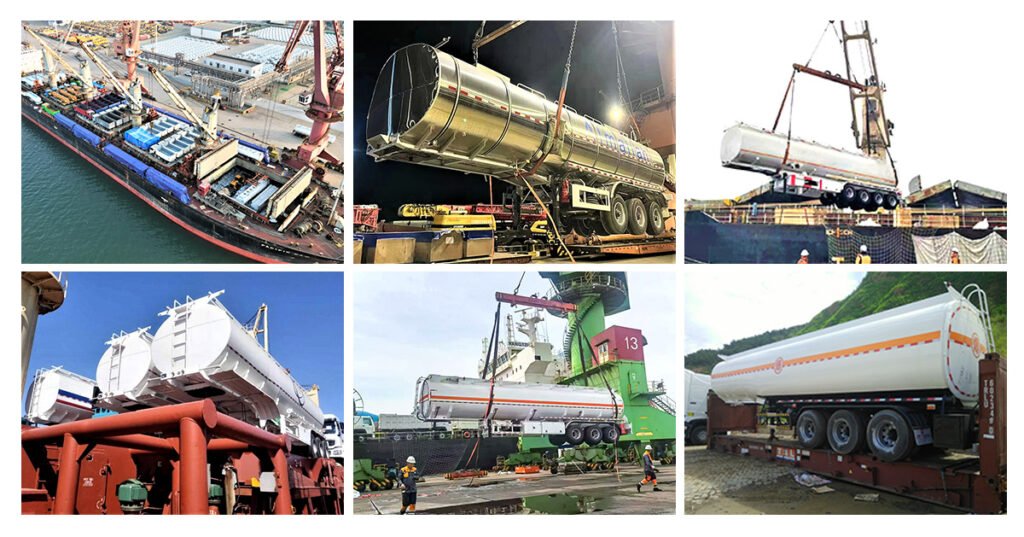
Why Did Uganda Clients Choose ZW for Powder Tankers?
ZW Group| 2026-10-7
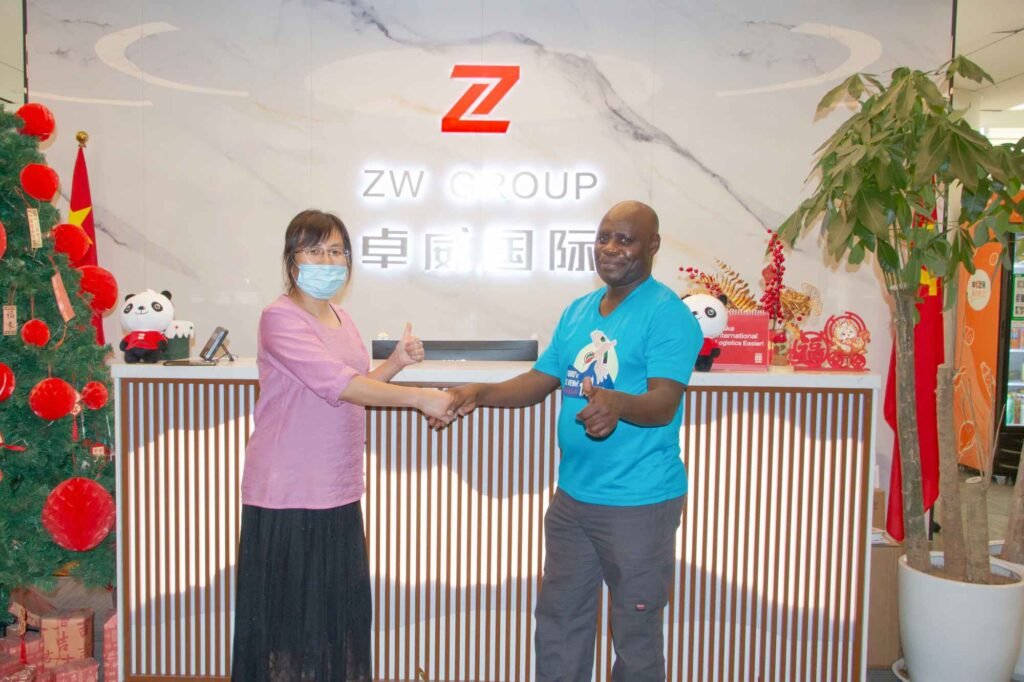
Uganda’s construction and infrastructure projects depend on the reliable transportation of cement and other bulk materials. For contractors and transport businesses, choosing the right equipment is essential for maintaining efficient material delivery and controlling operating costs.
A client from Uganda chose ZW Group for a fleet purchase that included a new HOWO dump truck and a powder tanker semi-trailer. The combination addresses two important transportation needs: moving loose construction materials and transporting bulk powder such as cement.
Why did the client choose ZW? The decision highlights the importance of matching equipment to different transport tasks, selecting suitable tanker configurations, and working with a supplier that understands commercial vehicle requirements.
1. Why Are Powder Tanker Trailers Important for Uganda's Construction Industry?
Cement is an essential material for building projects, road construction, and infrastructure development. Compared with conventional bagged-cement transportation, a pneumatic powder tanker trailer is designed to carry compatible dry bulk materials in a sealed tank and discharge them through a pneumatic unloading system.
For businesses transporting cement and other suitable powder materials, the right tanker configuration can help improve handling efficiency and reduce direct exposure of the cargo to the external environment.
When selecting a powder tanker trailer, buyers should consider several factors:
- Tank capacity: Choose a suitable capacity according to the required payload, cargo density, route conditions, and applicable weight regulations.
- Tank structure: The tank design and materials should be suitable for the intended cargo and operating pressure.
- Pneumatic discharge system: The compressor, pipelines, valves, and discharge arrangements should match the material characteristics and unloading requirements.
- Chassis and running gear: Axles, suspension, tires, and braking components should be appropriate for the loaded trailer and expected operating conditions.
- Maintenance accessibility: Buyers should consider the accessibility of key components and the availability of replacement parts.
These factors help transport operators select a powder tanker that suits their actual business needs rather than choosing solely by advertised tank volume.


2. Why Pair a New HOWO Dump Truck with a Powder Tanker Trailer?
Although the Ugandan client’s purchase included both a new HOWO dump truck and a powder tanker semi-trailer, these vehicles serve different purposes.
The HOWO dump truck handles loose construction materials.
Dump trucks are commonly used to transport and unload materials such as soil, sand, gravel, and aggregates. Depending on the configuration and project requirements, a suitable HOWO dump truck can support construction-site material handling and earthmoving operations.
The powder tanker trailer transports compatible dry bulk materials.
A powder tanker is designed for materials such as cement, lime, and fly ash, provided the tank and discharge system are suitable for the specific cargo. Its enclosed structure and pneumatic unloading system support bulk-material transportation between supply points and receiving facilities.
By purchasing equipment for different transport tasks, a business can address multiple operational requirements instead of relying on a single vehicle type for every application.
The two vehicles should not be viewed as interchangeable. A dump truck is suitable for loose materials that can be loaded and tipped, while a powder tanker is designed for compatible dry bulk materials that require an appropriate enclosed transport and discharge system.
3. What Should Buyers Consider When Choosing a Powder Tanker?
For buyers in Uganda and other African markets, selecting a powder tanker requires careful consideration of the cargo, delivery routes, and unloading facilities.
Match Tank Capacity to the Required Payload
A larger tank does not automatically mean a higher usable payload. The density of the transported powder, the tank’s design, the trailer’s tare weight, and legal axle-load limits all affect the actual carrying capacity.
Before ordering, buyers should clarify the intended cargo, target payload, delivery distance, and operating conditions.
Evaluate the Pneumatic Unloading System
The unloading system is central to powder tanker performance. Buyers should confirm the compressor specifications, operating pressure, pipeline arrangement, valves, and discharge method according to the intended material and receiving facility.
The receiving site must also have suitable connections and unloading arrangements for the selected tanker.
Consider Road Conditions and Maintenance
Trailer specifications should suit the expected routes, loading conditions, and maintenance resources. Buyers should review the axle configuration, suspension, tires, braking system, and availability of serviceable components before confirming an order.
A properly specified tanker can help operators manage routine maintenance and plan their transportation operations more effectively.
4. Why Choose ZW for Powder Tanker Trailers?
Choosing a tanker supplier involves more than comparing prices and tank capacities. Buyers also need to confirm that the proposed equipment matches the cargo and the intended operating conditions.
Powder tanker solutions for bulk materials
ZW Group supplies powder tanker semi-trailers designed for applications such as cement and other compatible dry bulk materials. Buyers can discuss tank capacity, configuration, pneumatic unloading requirements, and running gear according to their transportation needs.
Equipment selection based on actual applications
The right configuration depends on the material being transported, the target payload, the unloading facility, and the operating routes. Clarifying these details before production helps buyers compare options more accurately.
Coordination for combined vehicle purchases
For customers purchasing both heavy trucks and tanker trailers, it is important to confirm the specifications and intended applications of each vehicle. ZW Group can discuss the relevant equipment requirements and purchasing arrangements for the proposed combination.
Pre-shipment specification confirmation
Before shipment, buyers should confirm the final product specifications, inspection arrangements, included components, export documents, and shipping details. These checks help establish clear expectations for the order.
5. A Practical Equipment Choice for Uganda's Transport Needs
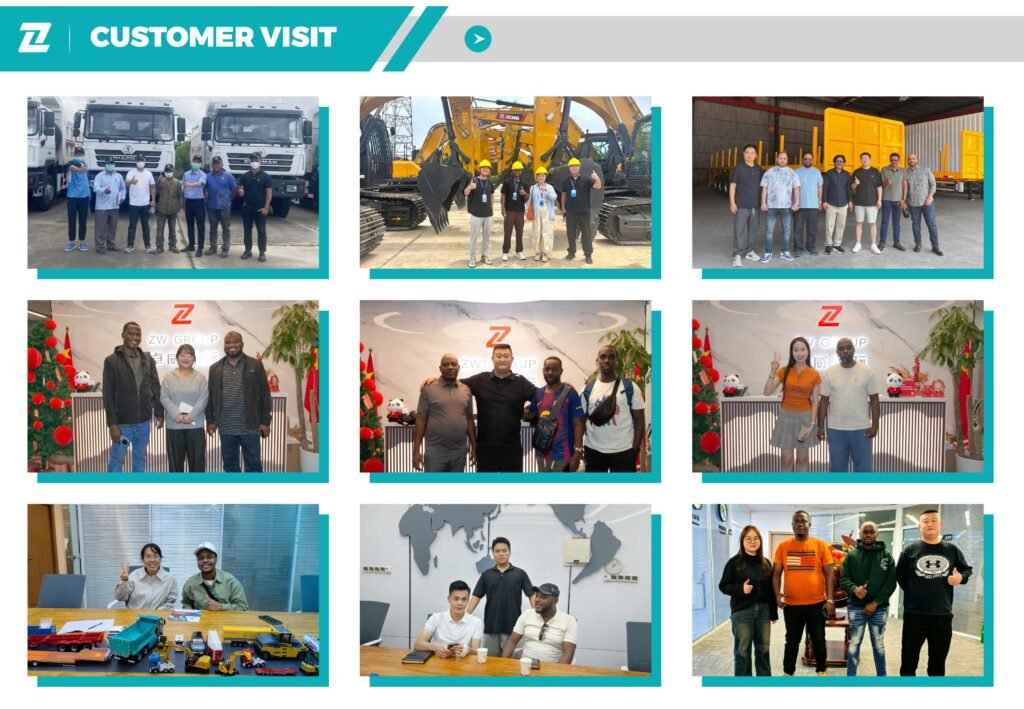
The Ugandan client’s purchase of a new HOWO dump truck and a powder tanker semi-trailer illustrates how different vehicle types can serve complementary roles in construction-material logistics.
The dump truck supports the transportation of loose materials, while the powder tanker is designed for compatible dry bulk cargo such as cement. Selecting the right configuration for each task helps businesses plan their fleet investment around actual transportation requirements.
For companies in Uganda looking for powder tanker trailers, ZW Group can provide product information and discuss suitable configurations based on cargo type, payload requirements, unloading conditions, and destination.
Looking for a powder tanker trailer for your business?
Contact ZW Group to discuss your requirements. Please share the material you intend to transport, required payload, preferred tank capacity, unloading arrangements, and destination country so our team can recommend relevant options and prepare a quotation.